Master the Art of Coffee Brewing: Top Methods

Coffee is more than just a morning ritual; it’s an art form, a science, and for many, a cherished daily experience. Mastering the art of coffee brewing allows you to unlock the full potential of coffee beans, unveiling flavors and aromas that transform a simple cup into an extraordinary beverage. In this comprehensive guide, we will explore the top methods of coffee brewing, each with its unique characteristics and techniques.
Understanding the Basics
Before we delve into specific brewing methods, it’s essential to understand some fundamental principles that apply across all techniques. These include the quality of the coffee beans, the grind size, the water-to-coffee ratio, water temperature, and brewing time. Each variable can significantly impact the final flavor profile of your coffee.
1. Drip Coffee Maker
The drip coffee maker is a staple in many households due to its convenience and consistency. Known for its ease of use, this method involves pouring water over ground coffee, which then drips into a pot or carafe.
How It Works
A drip coffee maker heats water and distributes it evenly over a filter filled with coffee grounds. Gravity pulls the water through the coffee, extracting flavors and aromas before collecting in a carafe.
Tips for Optimal Brewing
- Use medium grind coffee for optimal extraction.
- Maintain a water temperature between 195°F and 205°F for the best results.
- Keep your machine clean to avoid stale flavors.
2. French Press
The French Press, also known as a press pot, offers a full-bodied coffee experience. This immersion method allows coffee grounds to steep in hot water before being separated by a plunger.
How It Works
Coarse coffee grounds are steeped in hot water for several minutes. After steeping, a metal or mesh plunger is pressed down, separating the grounds from the liquid, which is then ready to be poured.
Tips for Optimal Brewing
- Use coarse grind coffee to prevent sediment in your cup.
- Steep for four minutes to balance strength and flavor.
- Stir the grounds gently before placing the lid on the press.
3. Espresso
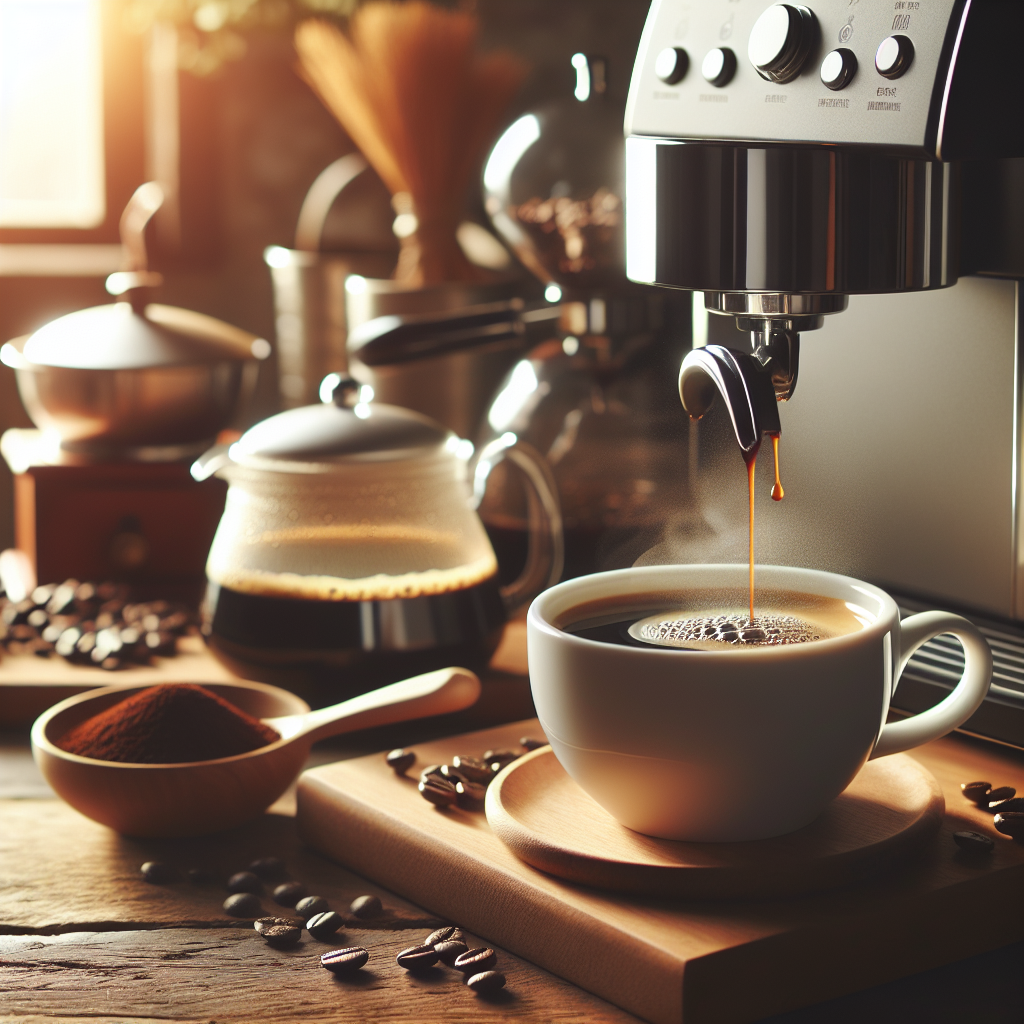
Espresso is a concentrated coffee brewing method that serves as the base for many popular drinks, including lattes and cappuccinos. It involves forcing hot water through finely-ground coffee under high pressure.
How It Works
An espresso machine uses pressure to push water through tightly packed coffee grounds. This process results in a thick, concentrated coffee with a layer of crema on top.
Tips for Optimal Brewing
- Use a fine grind coffee for proper extraction.
- Tamp the coffee grounds evenly in the portafilter basket.
- Ensure your machine is at the correct pressure and temperature settings.
4. Pour-Over
The pour-over method is favored for its ability to highlight the intricate flavors of coffee through careful control of the brewing process. It involves manually pouring hot water over coffee grounds in a filter.
How It Works
Using a dripper, such as a Hario V60 or Chemex, water is poured over coffee grounds in a circular motion, allowing for an even extraction. The coffee then drips into a carafe or directly into your cup.
Tips for Optimal Brewing
- Use a medium-fine grind for a balanced extraction.
- Pour in a slow, steady spiral to ensure even saturation.
- Pre-wet the filter to remove any papery taste.
5. AeroPress
The AeroPress is a versatile and portable coffee maker that combines pressure and immersion techniques to produce a rich and flavorful cup. It’s popular among travelers and those who enjoy experimenting with their brew.
How It Works
Ground coffee and hot water are mixed in a chamber. Once steeped, a plunger is used to push the coffee through a filter into a cup, using air pressure to extract flavors.
Tips for Optimal Brewing
- Experiment with different grind sizes to find your preferred taste.
- Try the inverted method for better control over steeping time.
- Use a water temperature between 175°F and 185°F for a smoother taste.
6. Cold Brew
Cold brew is a unique method that involves steeping coffee grounds in cold water over an extended period. This process results in a smooth, less acidic coffee concentrate that can be served cold or hot.
How It Works
Coarse coffee grounds are mixed with cold water and left to steep for 12 to 24 hours in a refrigerator. After steeping, the mixture is filtered, resulting in a concentrated coffee that can be diluted with water or milk.
Tips for Optimal Brewing
- Use a coarse grind to prevent over-extraction.
- Maintain a coffee-to-water ratio of 1:4 for a balanced flavor.
- Experiment with steeping times to achieve your desired strength.
7. Moka Pot
The Moka Pot, often referred to as a stovetop espresso maker, brews a strong coffee reminiscent of espresso. It is a staple in Italian households and offers a robust and intense flavor.
How It Works
The Moka Pot consists of three chambers: one for water, one for coffee grounds, and one for the brewed coffee. As the water heats, steam pressure pushes it through the coffee grounds and into the upper chamber.
Tips for Optimal Brewing
- Use a medium-fine grind to ensure proper extraction.
- Fill the water chamber with hot water to reduce brewing time.
- Keep the heat low to moderate for a gradual extraction.
Conclusion
Mastering the art of coffee brewing is a journey that involves exploring different methods, experimenting with variables, and ultimately discovering what suits your taste buds. Each brewing method offers a unique experience, allowing you to appreciate the diverse flavors and aromas that coffee has to offer. Whether you prefer the convenience of a drip coffee maker, the boldness of an espresso, or the intricate flavors of a pour-over, there’s a method that will elevate your coffee experience to new heights.
By understanding and practicing these top brewing techniques, you’ll not only enhance your appreciation for coffee but also develop the skills to craft the perfect cup every time. So, grab your favorite beans, experiment with these methods, and embark on a flavorful adventure into the world of coffee brewing.
#ChatGPT assisted in the creation of this article.



Post Comment