Arabica vs Robusta: Which Coffee Reigns Supreme?
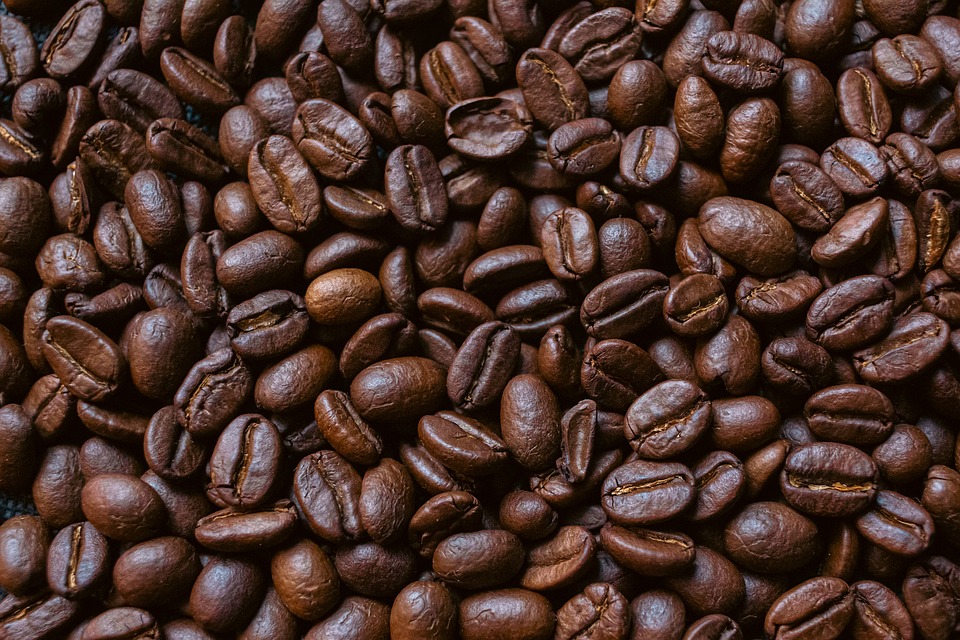
Coffee is more than just a beverage; it’s a global phenomenon, a cultural staple, and a daily ritual for millions of people around the world. At the heart of this beloved drink are two primary types of coffee beans: Arabica and Robusta. These beans are the most widely consumed and commercially significant in the coffee industry. But which one reigns supreme? This article will delve into the nuances of Arabica and Robusta coffee beans, comparing their origins, cultivation, flavor profiles, and overall impact on the coffee world.
Origin and Cultivation
Arabica coffee, scientifically known as Coffea arabica, is believed to have originated in the highlands of Ethiopia. It was first cultivated in Yemen, where it became an integral part of Arab culture and commerce. Today, Arabica is grown in various regions, including Latin America, East Africa, and parts of Asia. These beans thrive in high-altitude environments with cooler temperatures, generally between 60°F and 70°F. Arabica plants are delicate and require meticulous care, making them more susceptible to pests and diseases.
In contrast, Robusta coffee, or Coffea canephora, has its roots in sub-Saharan Africa. It was first identified in the Congo Basin and has since spread to Southeast Asia, Brazil, and parts of Africa. Robusta plants are hardier than their Arabica counterparts, capable of thriving in lower altitudes and hotter climates. They are also more resistant to diseases and pests, making them easier to cultivate. This resilience often translates into higher yields for farmers.
Flavor Profile
The flavor profile of coffee is one of the most critical aspects for consumers and connoisseurs alike. Arabica beans are renowned for their smooth, mild taste and complex flavor notes. They often exhibit hints of fruit, sugar, and floral notes, with a balanced acidity that many coffee enthusiasts find appealing. Arabica coffee is typically sweeter and more aromatic, making it the preferred choice for specialty coffees and high-end brands.
Robusta beans, on the other hand, are known for their bold and robust flavor. They have a distinct earthy and nutty taste with a heavier body and more bitterness. Robusta coffee contains almost double the caffeine content of Arabica, which significantly influences its strong and bitter flavor profile. This makes Robusta ideal for espresso blends, providing a rich crema and a caffeine kick that many espresso lovers appreciate.
Caffeine Content
Caffeine is a key component of coffee that not only impacts flavor but also the physiological effects coffee has on consumers. Arabica beans typically contain about 1.2% caffeine, whereas Robusta beans can contain up to 2.7%. This higher caffeine content gives Robusta a more intense flavor and makes it more bitter than Arabica. For those seeking a milder caffeine intake, Arabica is the better choice, while those looking for a stronger boost may prefer Robusta.
Economic Impact
The economic implications of Arabica and Robusta are significant in the global coffee market. Arabica is the most widely produced and consumed coffee bean, accounting for about 60% of the world’s coffee production. Its higher demand and more complex cultivation process often result in higher prices compared to Robusta.
Robusta, while less expensive, plays a crucial role in the coffee industry, especially in the production of instant coffee and espresso blends. Its resilience and higher yield make it a more cost-effective option for large-scale coffee producers. Additionally, countries like Vietnam, which is the largest producer of Robusta, rely heavily on its production for economic stability.
Health Benefits
Coffee, whether Arabica or Robusta, offers several health benefits due to its rich content of antioxidants and essential nutrients. However, the difference in caffeine content between these two types of beans can lead to varying health effects.
Arabica beans, with their lower caffeine content, may be better suited for individuals who are sensitive to caffeine or those who consume multiple cups a day. The antioxidants in Arabica are known to help reduce inflammation and may lower the risk of certain diseases, such as diabetes and heart disease.
Robusta’s higher caffeine content means it has more chlorogenic acids, which are powerful antioxidants. These can help in weight management and improving metabolic rate. However, due to its higher caffeine levels, excessive consumption of Robusta might lead to increased heart rate, anxiety, and insomnia in some individuals.
Sustainability and Environmental Impact
Sustainability is an increasingly important aspect of coffee production, influenced by the cultivation methods of both Arabica and Robusta beans. Arabica’s preference for high-altitude, cooler climates makes it more vulnerable to climate change. Rising temperatures and erratic weather patterns pose a threat to Arabica crops, potentially reducing its cultivation areas.
Robusta’s resilience to higher temperatures and diseases makes it more adaptable to changing climate conditions. However, the expansion of Robusta cultivation can lead to deforestation and biodiversity loss if not managed sustainably. Both types of coffee require concerted efforts to ensure sustainable farming practices that protect the environment while supporting the livelihoods of coffee farmers.
Consumer Preferences
Consumer preferences for Arabica and Robusta vary widely based on cultural, geographical, and personal taste factors. In regions like North America and Europe, where specialty coffee culture is prevalent, Arabica is often favored for its nuanced flavors and aromatic qualities. Coffee shops and baristas tend to highlight single-origin Arabica coffees, emphasizing their unique taste profiles.
In contrast, Robusta is more popular in regions where strong, bold flavors are preferred, such as in parts of Asia and Africa. Its use in instant coffee and espresso blends caters to those seeking convenience and a high-caffeine content, offering a quick and robust coffee experience.
The Verdict: Which Coffee Reigns Supreme?
Determining which coffee reigns supreme, Arabica or Robusta, ultimately depends on individual preferences and priorities. Arabica is celebrated for its smooth, complex flavors and aromatic qualities, making it the preferred choice for specialty coffee lovers and connoisseurs. Its higher price point reflects its premium status and the meticulous care required for its cultivation.
Robusta, with its bold, bitter flavors and higher caffeine content, is ideal for those who enjoy a strong cup of coffee and appreciate the economic advantages it offers. Its resilience and adaptability make it a practical choice for large-scale production, ensuring its place in the global coffee market.
In conclusion, both Arabica and Robusta have their unique strengths and roles within the coffee industry. The choice between them is a matter of personal taste, caffeine tolerance, and the context in which the coffee is consumed. Whether you prefer the delicate flavors of Arabica or the robust intensity of Robusta, both play an essential role in the diverse and dynamic world of coffee.
“`
#ChatGPT assisted in the creation of this article.




Post Comment