Unveiling Global Coffee Rituals: A Journey Through Cultures

Coffee, a drink that transcends borders, has woven itself into the fabric of societies worldwide. It is not merely a beverage but a cultural phenomenon with rituals and traditions that reflect the uniqueness of each culture. From the bustling streets of New York to the serene coffee houses of Istanbul, coffee rituals offer a glimpse into the heart of communities and the ways they come together over a cup of this cherished brew.
The Ethiopian Coffee Ceremony: A Timeless Tradition
Ethiopia, the birthplace of coffee, holds one of the most elaborate coffee rituals in the world. The Ethiopian coffee ceremony is a symbol of hospitality and respect, involving a series of meticulous steps that transform coffee preparation into an art form. The process begins with washing fresh green coffee beans, which are then roasted over an open flame. The rich aroma of roasting beans fills the air, creating an inviting atmosphere.
Once roasted, the beans are ground using a traditional mortar and pestle. The coffee grounds are then brewed in a special pot called a “jebena.” The ceremony is not just about the coffee itself but also about the communal experience. It is a time for conversation, reflection, and bonding. Hosts often serve snacks like popcorn or bread, enhancing the communal spirit. The Ethiopian coffee ceremony is a reminder of coffee’s roots and its ability to bring people together.
Italy’s Espresso Culture: A Quick Yet Profound Experience
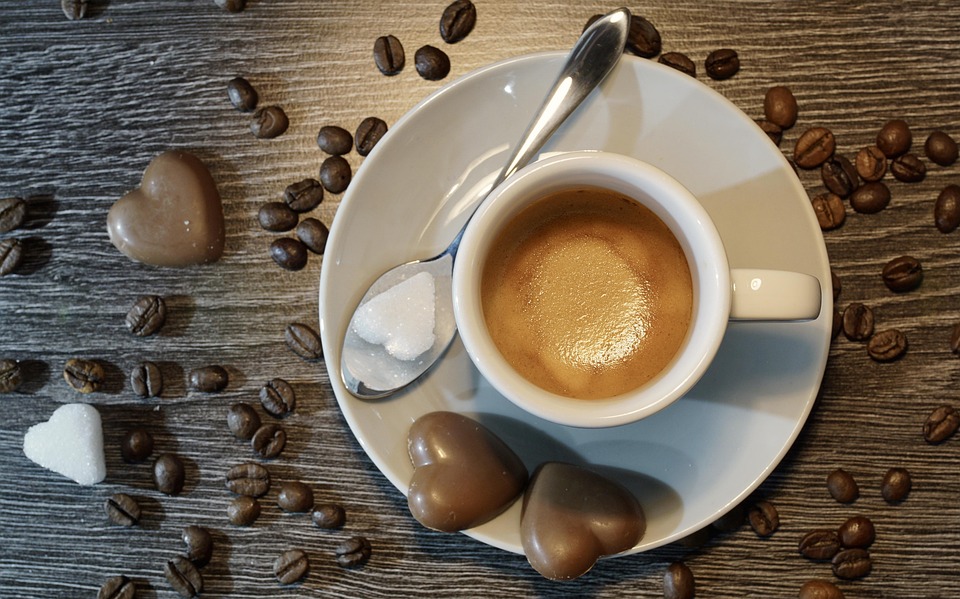
In Italy, coffee is synonymous with espresso, a strong, concentrated brew served in small cups. Italian coffee culture is characterized by its speed and intensity. Espresso bars are ubiquitous, serving as social hubs where people gather for a brief respite from their daily routines. The act of drinking espresso is quick, yet it is a profound part of Italian life.
Espresso is typically consumed while standing at the bar, a practice that reflects the Italian approach to life—appreciating quality over quantity. The preparation of espresso is an art, with baristas honing their skills to create the perfect shot. This culture of excellence extends to the various espresso-based drinks like cappuccino and macchiato, each with its own set of rules and times of day for consumption. For instance, cappuccinos are traditionally enjoyed in the morning, never after a meal.
Turkish Coffee: A Blend of Tradition and Fortune-Telling
Turkish coffee is a rich and aromatic experience, deeply embedded in the country’s cultural identity. It is prepared using finely ground coffee beans, water, and sugar, all mixed in a special pot known as a “cezve.” The mixture is heated slowly, and as it begins to froth, it is removed from the heat to avoid boiling, preserving the thick, robust flavor.
Drinking Turkish coffee is often accompanied by a unique ritual—fortune-telling. Once the coffee is consumed, the cup is turned upside down onto the saucer, allowing the grounds to settle. Patterns formed by the grounds are then interpreted to predict the drinker’s future, adding a mystical dimension to the coffee experience. This tradition is a testament to the social nature of coffee in Turkey, where it is a medium for conversation, storytelling, and connection.
Japan’s Kissaten: The Art of Slow Coffee
In Japan, the kissaten, a traditional Japanese tea and coffee house, offers a serene setting for enjoying coffee. Here, the focus is on the meticulous preparation and presentation of coffee, often brewed using methods like siphon or pour-over. These techniques highlight the Japanese appreciation for precision and aesthetics.
The kissaten experience is a slow one, encouraging patrons to savor the flavors and aromas of the coffee. The ambiance is typically calm and quiet, providing a space for contemplation or leisurely conversation. This approach reflects Japanese values of mindfulness and appreciation for the moment, transforming coffee drinking into an almost meditative practice.
Brazil’s Cafezinho: A Symbol of Warmth and Hospitality
In Brazil, coffee is more than just a drink; it is a symbol of hospitality and warmth. The Brazilian “cafezinho” is a small, strong coffee, often sweetened, that is offered to guests as a gesture of welcome. It is a central part of Brazilian social interactions, whether at home, in the workplace, or at social gatherings.
Cafezinho is typically brewed using a cloth filter, which imparts a distinct flavor. The practice of offering coffee to guests exemplifies the Brazilian spirit of generosity and friendliness. It is a way of saying, “You are welcome here,” and fosters a sense of community and belonging.
Vietnamese Coffee: A Sweet and Strong Delight
Vietnamese coffee, known for its strong flavor and sweetness, offers a unique twist on traditional coffee drinks. It is often brewed using a metal drip filter called a “phin,” which slowly drips coffee into a cup containing sweetened condensed milk. The result is a rich, creamy beverage that can be enjoyed hot or iced.
Vietnamese coffee culture is vibrant and diverse, with street-side cafes and vendors offering a lively atmosphere for coffee lovers. The drink is an integral part of daily life, serving as both a morning pick-me-up and an afternoon treat. The blend of bitter and sweet flavors in Vietnamese coffee mirrors the country’s dynamic and multifaceted culture.
Sweden’s Fika: A Coffee Break with a Purpose
In Sweden, coffee is at the heart of “fika,” a cherished tradition of taking a break to enjoy coffee and pastries with friends, family, or colleagues. Fika is more than just a coffee break; it is a moment to pause, connect, and recharge. It is deeply ingrained in the Swedish lifestyle, emphasizing the importance of work-life balance and social interaction.
Fika can occur multiple times a day, often featuring a variety of baked goods like cinnamon buns or biscuits. The ritual of fika fosters a sense of community and well-being, reminding Swedes to take time for themselves and for those around them. It is a testament to the power of coffee as a catalyst for connection and relaxation.
Middle Eastern Coffeehouses: Centers of Social Life
In the Middle East, coffeehouses, or “qahveh khaneh,” are pivotal to social life. These establishments are more than just places to drink coffee; they are vibrant centers of community activity, where people gather to discuss politics, play games, or listen to music. The coffee served is typically strong and spiced, often infused with cardamom or other aromatic spices.
The Middle Eastern coffeehouse is a space where traditions are passed down, and new ideas are exchanged. It embodies the region’s rich history and cultural heritage, showcasing how coffee can be both a personal indulgence and a communal experience. The coffeehouse tradition highlights the role of coffee as a facilitator of dialogue and cultural exchange.
Conclusion: Coffee as a Cultural Bridge
As we journey through the diverse coffee rituals of the world, it becomes clear that coffee is more than just a beverage. It is a cultural bridge that connects people across continents, offering insights into their values, traditions, and social dynamics. Each ritual tells a story, revealing the unique ways in which communities celebrate and cherish this beloved drink.
From the intricate ceremonies of Ethiopia to the lively cafes of Vietnam, coffee rituals invite us to explore and appreciate the rich tapestry of human experience. They remind us of the universal language of hospitality, the joy of shared moments, and the simple pleasure of savoring a cup of coffee. In unveiling these global coffee rituals, we discover not just the diversity of coffee culture but also the common threads that unite us all.
“`
#ChatGPT assisted in the creation of this article.



Post Comment