Discover the Rich Flavors of Colombian Coffee Beans
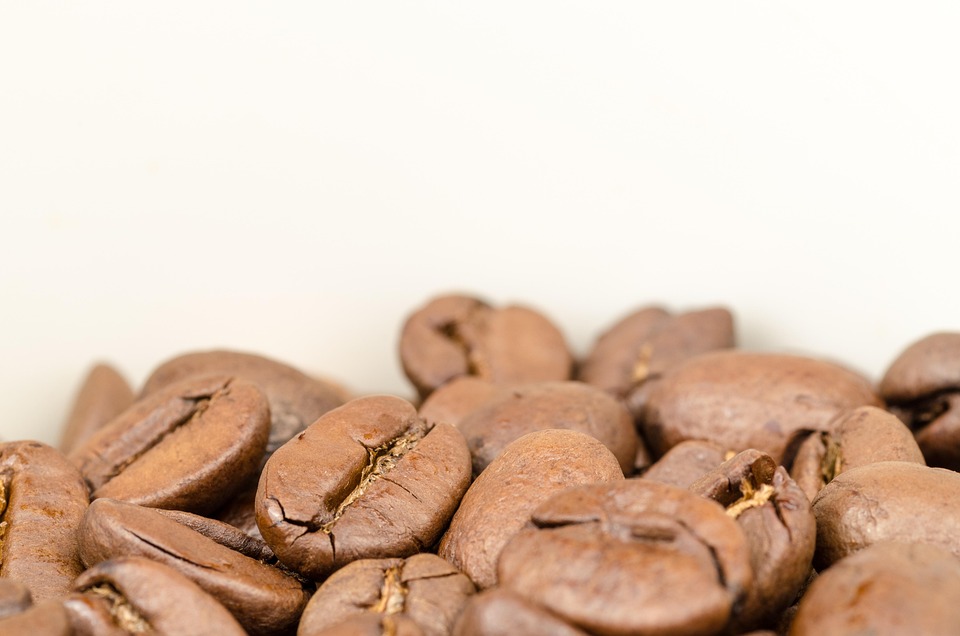
Coffee is not just a beverage; it is an experience, a tradition, and a journey through the senses. Among the multitude of coffee-producing countries, Colombia stands out as one of the most celebrated and prolific sources of high-quality coffee beans. Renowned for their rich flavors, aromatic profiles, and impeccable quality, Colombian coffee beans have carved a niche in the hearts of coffee connoisseurs worldwide. This article delves into the captivating world of Colombian coffee, unraveling its origins, unique characteristics, and the elements that contribute to its unparalleled reputation.
The Geographical Advantage
Colombia’s geographical location offers an ideal climate for coffee cultivation. Nestled in the northwestern part of South America, Colombia is blessed with diverse topography, ranging from the Andes Mountains to lush valleys, which creates varied microclimates perfect for coffee growing. The equatorial climate ensures consistent temperatures throughout the year, while the country’s varying altitudes contribute to the complexity of flavors found in Colombian coffee beans.
Unique Varietals and Regions
Colombian coffee is often celebrated for its diverse range of flavors, which can be attributed to its numerous coffee-growing regions. Each region offers a distinct flavor profile, influenced by its unique climate, altitude, and soil composition. The three primary coffee-growing regions in Colombia are:
1. The Coffee Triangle (Eje Cafetero)
The Coffee Triangle, comprising the departments of Caldas, Quindío, and Risaralda, is perhaps the most famous coffee-producing region in Colombia. Known for its mountainous terrain and optimal climate, this region produces coffee with a balanced and smooth flavor profile, characterized by hints of caramel and chocolate.
2. Nariño
Situated in the southern part of Colombia, Nariño is renowned for its high-altitude coffee farms. The cool temperatures and volcanic soil of this region yield beans with bright acidity, floral aromas, and fruity undertones, making Nariño coffee a favorite among those who enjoy a vibrant and complex cup.
3. Huila
Huila, located in the southwest, is recognized for producing some of the finest specialty coffees in Colombia. The region’s unique microclimate, rich volcanic soil, and meticulous farming practices result in beans with a sweet, fruity flavor and a pronounced acidity, often described as citrusy.
Flavor Profiles and Aromas
Colombian coffee beans are celebrated for their diverse and intricate flavor profiles. The country’s varied climates and growing conditions contribute to a wide range of tastes and aromas, making Colombian coffee a versatile choice for any coffee enthusiast. Common flavor notes include:
- Fruity: Many Colombian coffees are noted for their fruity undertones, ranging from berry and citrus to tropical fruit flavors. These notes are particularly prominent in high-altitude coffees from regions like Nariño and Huila.
- Nutty: A characteristic nuttiness, often reminiscent of almonds or hazelnuts, is a common trait in Colombian coffee, lending a subtle sweetness to the cup.
- Chocolatey: The smooth, rich chocolate notes found in Colombian coffee are most common in beans from the Coffee Triangle, making them an excellent choice for those who enjoy a well-rounded and comforting brew.
- Caramel: A sweet caramel flavor is a hallmark of many Colombian coffees, providing a delightful balance to the acidity and enhancing the overall drinking experience.
The Art of Colombian Coffee Cultivation
Colombian coffee is often associated with meticulous farming practices and a deep-rooted passion for quality. The country’s coffee farmers, known as “cafeteros,” are dedicated to preserving the integrity of their crops through sustainable and traditional methods. The majority of Colombian coffee is shade-grown, which not only enhances the flavor but also promotes biodiversity and environmental sustainability.
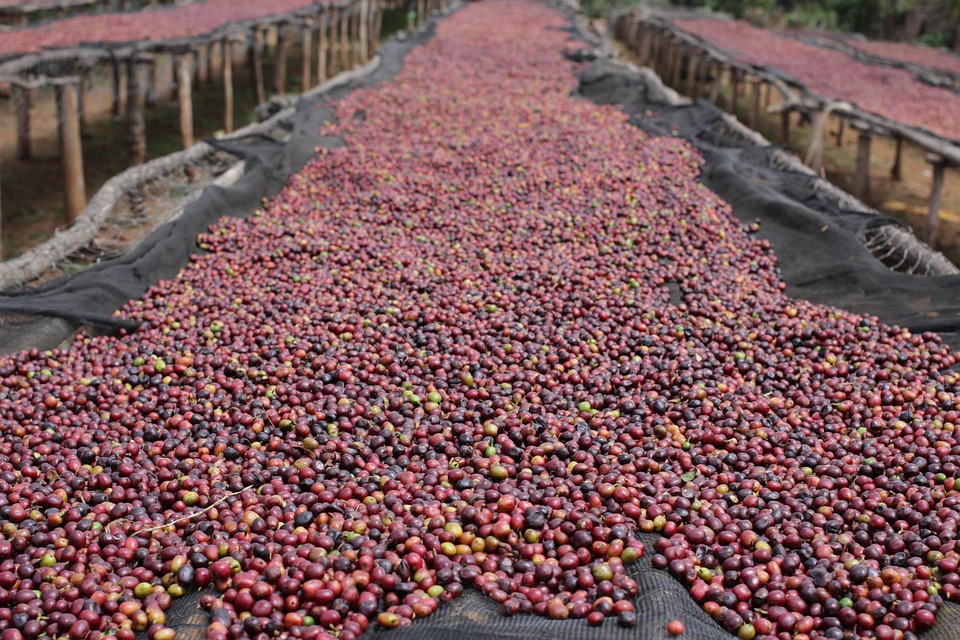
Harvesting in Colombia is typically done by hand, ensuring that only the ripest cherries are selected. This labor-intensive process, known as “picking by hand,” results in a higher quality product, as it allows for greater precision and care. Once harvested, the beans undergo a wet processing method, which involves removing the pulp from the coffee cherry and fermenting the beans to develop their distinct flavors.
The Impact of Colombian Culture
Coffee is deeply ingrained in Colombian culture, playing a significant role in the country’s social and economic fabric. The Colombian Coffee Growers Federation, established in 1927, has been instrumental in promoting Colombian coffee both domestically and internationally. Through initiatives such as the “Café de Colombia” brand, the federation has successfully positioned Colombian coffee as a symbol of quality and excellence on the global stage.
Additionally, coffee tourism has become a growing industry in Colombia, attracting visitors from around the world eager to explore the country’s coffee farms and experience the rich cultural heritage associated with coffee production. Coffee tours offer a unique opportunity to witness the coffee-making process firsthand, from bean to cup, and to savor the flavors of freshly brewed Colombian coffee.
Sustainability and Fair Trade Practices
In recent years, there has been a growing emphasis on sustainability and ethical practices within the coffee industry. Colombian coffee farmers are increasingly adopting environmentally friendly farming techniques, such as organic cultivation and integrated pest management, to reduce their environmental footprint and preserve the natural ecosystem.
Fair trade practices are also gaining traction in Colombia, ensuring that coffee farmers receive fair compensation for their labor and fostering better working conditions. By supporting fair trade-certified Colombian coffee, consumers can contribute to a more equitable and sustainable coffee industry, empowering farmers and promoting social and economic development in coffee-growing communities.
The Global Appeal of Colombian Coffee
Colombian coffee has earned a reputation as one of the finest coffees in the world, celebrated for its exceptional quality, flavor, and aroma. Its widespread appeal can be attributed to its versatility, making it suitable for a variety of brewing methods, from espresso to pour-over and beyond. Colombian coffee’s ability to cater to diverse tastes and preferences has solidified its status as a staple in cafes and homes worldwide.
Conclusion
Colombian coffee beans are more than just a commodity; they are a testament to the country’s rich agricultural heritage, cultural identity, and commitment to excellence. From the fertile soils of the Coffee Triangle to the high-altitude farms of Nariño and Huila, Colombian coffee offers a captivating journey through flavor and aroma, inviting coffee lovers to indulge in its diverse and delightful profiles. As you savor your next cup of Colombian coffee, take a moment to appreciate the dedication, tradition, and passion that make it one of the most cherished coffees in the world.
#ChatGPT assisted in the creation of this article.



Post Comment