Discover the Timeless Charm of French Café Culture
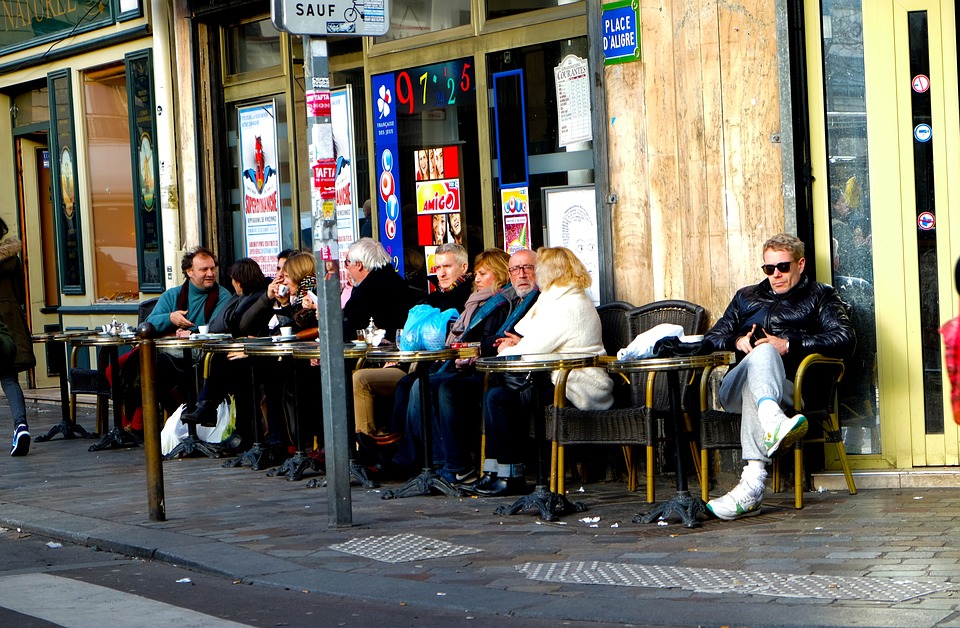
In the heart of France, where the aroma of freshly brewed coffee mingles with the scent of warm croissants, the French café culture thrives as a quintessential aspect of daily life. This tradition, rich with history and charm, offers a unique window into the social fabric of French society. In this article, we will embark on a journey to explore the timeless allure of French café culture, its historical roots, its role in contemporary society, and its global influence.
Historical Roots of French Café Culture
The origins of French café culture can be traced back to the 17th century, when the first café, Le Procope, opened its doors in Paris in 1686. Coffee, introduced to France from the Ottoman Empire, quickly gained popularity, becoming a fashionable beverage among the intellectual and artistic elite. Cafés became social hubs, where philosophers, writers, and artists gathered to discuss ideas and share their creativity.
During the Enlightenment, cafés served as incubators for revolutionary ideas. Figures like Voltaire, Rousseau, and Diderot were frequent patrons, engaging in debates that would shape the future of France and the world. The café became synonymous with intellectual discourse and bohemian lifestyles, a tradition that continues to this day.
The Essence of the French Café Experience
The French café is more than just a place to enjoy a cup of coffee; it is an experience that embodies the art of living. At the heart of this experience is the concept of “la pause café”—a moment to pause, reflect, and savor life’s simple pleasures. This ritual is deeply ingrained in French culture, emphasizing the importance of taking time to enjoy the present moment.
French cafés are characterized by their distinctive atmosphere. With their wicker chairs, marble-topped tables, and charming terraces, they offer a welcoming space where patrons can relax and watch the world go by. The menu typically features an array of beverages, from espresso and café au lait to more indulgent options like café gourmand, accompanied by delectable pastries and light meals.
French Cafés and Social Interactions
French café culture is inherently social. These establishments serve as communal meeting places where people from all walks of life come together. Whether it’s a business meeting, a friendly catch-up, or a solo retreat with a good book, the café is a versatile space that caters to a variety of social interactions.
One of the defining features of French café culture is the emphasis on conversation. Unlike the hustle and bustle of coffee chains, French cafés encourage patrons to linger, engage in meaningful dialogue, and forge connections. This tradition of conversation is a cornerstone of French social life, fostering a sense of community and belonging.
The Café as a Cultural Icon
French cafés have long been celebrated in literature, art, and cinema, further cementing their status as cultural icons. From the romantic portrayals in films like “Amélie” to the evocative paintings of Henri de Toulouse-Lautrec, the café serves as a symbol of Parisian life and creativity.
Many famous writers and artists have been inspired by the ambience of French cafés. Ernest Hemingway, F. Scott Fitzgerald, and Simone de Beauvoir are just a few of the luminaries who found inspiration within the walls of these establishments. Cafés like Les Deux Magots and Café de Flore in Paris are renowned for their historical significance and continue to attract visitors from around the world.
French Café Culture in the Modern Era
In the modern era, French café culture continues to thrive, adapting to the changing times while preserving its core values. Despite the rise of global coffee chains, traditional cafés remain popular, cherished for their authenticity and charm. They have evolved to accommodate the needs of contemporary society, offering free Wi-Fi and expanding their menus to include organic and vegan options.
The café terrace, a defining feature of French cafés, has become an even more cherished space in the wake of recent global events. It provides a safe and open-air environment for socializing, allowing patrons to enjoy the vibrancy of city life while maintaining physical distance. The terrace embodies the resilience of French café culture, adapting to new challenges while preserving its timeless appeal.
Global Influence of French Café Culture
The influence of French café culture extends far beyond the borders of France. Its emphasis on leisure, conversation, and community has resonated with people worldwide, inspiring similar establishments in cities across the globe. From the bistros of New York to the coffeehouses of Tokyo, the essence of the French café experience can be found in diverse cultural contexts.
French-style cafés often serve as cultural ambassadors, promoting French cuisine, language, and lifestyle to international audiences. They offer a taste of France to those who may not have the opportunity to visit, fostering cultural exchange and appreciation.
Conclusion: The Enduring Appeal of French Café Culture
French café culture is a testament to the enduring allure of tradition and the art of living well. Its historical significance, social role, and global influence make it a cherished aspect of French identity. As we navigate the complexities of contemporary life, the timeless charm of the French café offers a reminder of the importance of slowing down, savoring the moment, and nurturing human connections.
Whether you’re sipping a café crème on a sun-drenched terrace in Paris or enjoying a croissant in a French-inspired café abroad, the spirit of French café culture invites you to embrace the joy of simple pleasures and the beauty of shared experiences.
#ChatGPT assisted in the creation of this article.


Post Comment