Master the Art of Moka Pot Coffee Brewing
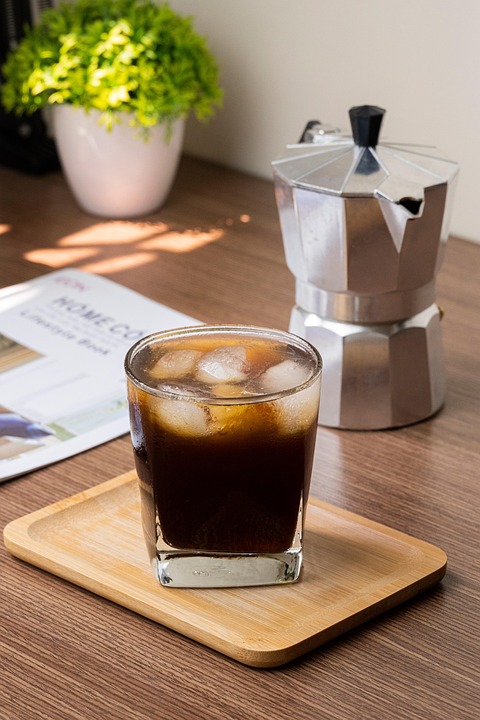
The Moka pot, also known as a stovetop espresso maker, is a staple in many coffee-loving households. Its unique design and brewing method produce a rich, strong coffee that closely resembles espresso. Despite its simplicity, mastering the art of Moka pot coffee brewing requires understanding the nuances of this iconic coffee maker. This article will guide you through the process, offering tips and tricks to perfect your brew.
Understanding the Moka Pot
The Moka pot was invented in 1933 by Italian engineer Alfonso Bialetti, and it has since become a beloved coffee brewing method worldwide. It consists of three main parts: the bottom chamber for water, the middle funnel for ground coffee, and the top chamber for the brewed coffee. When heated, the water in the bottom chamber turns into steam, creating pressure that forces the water up through the coffee grounds and into the top chamber.
Choosing the Right Moka Pot
Moka pots come in various sizes and materials, mainly aluminum or stainless steel. Aluminum pots are traditional and heat quickly, while stainless steel pots are more durable and easier to maintain. When choosing a size, consider how much coffee you want to brew. Moka pots are measured in “cups,” but these are espresso-sized servings, not standard coffee cups.
Preparing Your Moka Pot
Cleaning
Before using your Moka pot, ensure it is clean and free from any old coffee residue. Regular cleaning helps maintain the pot’s functionality and the flavor of your coffee. Wash all parts with warm water and a mild detergent, avoiding abrasive materials that can damage the pot.
Grinding Coffee
The grind size is crucial for Moka pot brewing. Aim for a medium-fine grind, similar to table salt. Too fine a grind can lead to over-extraction and a bitter taste, while too coarse a grind might result in weak coffee. Using freshly ground coffee beans enhances the flavor and aroma of your brew.
Brewing Process
Step 1: Fill the Water Chamber
Start by filling the bottom chamber with water up to the safety valve. Using hot water can reduce the brewing time and prevent the coffee from developing a metallic taste. Be careful not to overfill, as this can affect the pressure needed for proper brewing.
Step 2: Add Coffee Grounds
Fill the funnel with the ground coffee, ensuring it is evenly distributed. Avoid packing the grounds too tightly, as this can impede water flow and create too much pressure. Level off the coffee with your finger or a flat tool.
Step 3: Assemble the Moka Pot
Carefully screw the top chamber onto the bottom chamber, ensuring a tight seal. Be cautious not to over-tighten, as this can damage the gasket and affect the pot’s performance.
Step 4: Heat the Moka Pot
Place the Moka pot on a stovetop over medium heat. It’s essential to monitor the heat level, as too high a temperature can lead to burnt coffee. The brewing process should take about 5-10 minutes. You’ll know it’s done when you hear a hissing or bubbling sound—this means the water has passed through the coffee.
Step 5: Serve and Enjoy
Once brewing is complete, remove the pot from the heat. Let it sit for a moment to allow all the coffee to finish dripping into the top chamber. Pour the coffee into your cup, savor the aroma, and enjoy your perfectly brewed Moka pot coffee.
Enhancing Your Moka Pot Coffee
Using Fresh Ingredients
Quality ingredients are key to a great cup of coffee. Invest in high-quality, fresh coffee beans and filtered water to ensure the best flavor. Experiment with different coffee varieties and blends to find your perfect match.
Adjusting Brew Strength
If you prefer a stronger brew, use slightly more coffee or a finer grind. For a milder cup, reduce the coffee amount or opt for a coarser grind. Adjusting these variables allows you to customize the coffee to your taste preferences.
Incorporating Flavors
To add a twist to your Moka pot coffee, consider incorporating flavors like cinnamon, cardamom, or vanilla. You can mix these spices with your coffee grounds before brewing for a delightful, aromatic experience.
Troubleshooting Common Issues
Weak Coffee
If your coffee tastes weak, check the grind size and coffee-to-water ratio. Ensure the pot is sealed properly and the water level is correct. Also, verify that the stovetop heat is not too low, which can affect brewing pressure.
Bitter Coffee
Bitter flavors often result from over-extraction. To fix this, use a coarser grind, reduce the brewing time by using pre-boiled water, or lower the heat. Ensuring your Moka pot is clean can also help prevent unwanted bitterness.
Maintaining Your Moka Pot
Regular maintenance is crucial for the longevity and performance of your Moka pot. After each use, disassemble the pot and clean all components thoroughly. Check the rubber gasket and replace it if worn, as this can affect the pot’s seal and pressure. Store the pot disassembled to prevent musty odors from developing.
Conclusion
Mastering the art of Moka pot coffee brewing is a rewarding journey that allows you to enjoy a rich, espresso-like coffee at home. By understanding the nuances of the Moka pot and experimenting with different variables, you can customize your brew to your liking. With practice, patience, and attention to detail, you’ll be able to produce consistently delicious Moka pot coffee that rivals your favorite café.
#ChatGPT assisted in the creation of this article.



Post Comment