Unlock the Secrets of Green Coffee Beans
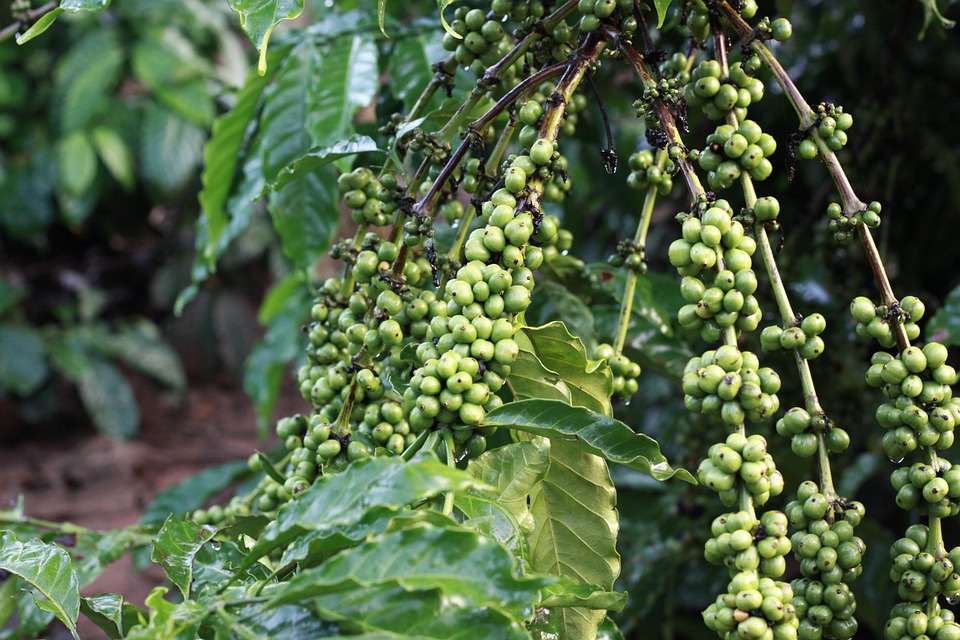
Coffee is one of the most popular beverages worldwide, cherished for its rich flavor and stimulating effects. However, before coffee beans are roasted to perfection and brewed into your favorite morning cup, they start as green coffee beans. These beans, in their raw and unroasted state, hold the secrets to the flavors and aromas that coffee enthusiasts crave. This article will delve into the fascinating world of green coffee beans, exploring their origins, characteristics, benefits, and the roasting process that transforms them into the coffee we know and love.
Understanding Green Coffee Beans
Green coffee beans are essentially the seeds of the Coffea plant. They are harvested from the coffee cherries that grow on these trees. Before the roasting process, coffee beans are green, hard, and have a grassy aroma. There are two primary species of coffee plants from which green coffee beans are derived: Arabica and Robusta. Arabica beans are known for their smooth, complex flavors, while Robusta beans have a stronger, more bitter taste and contain higher caffeine levels.
The Journey from Farm to Bean
The journey of green coffee beans begins on coffee farms located in tropical regions around the globe, including countries like Brazil, Colombia, Ethiopia, and Vietnam. The process starts with coffee trees blossoming with white flowers, leading to the development of cherries that house the coffee beans. These cherries are handpicked by skilled laborers or mechanically harvested, depending on the farm’s location and resources.
Processing Methods
Once harvested, the cherries undergo processing to extract the green coffee beans. The two primary methods are the wet process and the dry process. The wet process involves removing the pulp from the cherries before fermenting the beans to remove the mucilage. This method is known for producing cleaner and brighter flavors. The dry process, on the other hand, involves drying the cherries in the sun before removing the seeds. This method often results in a heavier, fruitier flavor profile.
Characteristics of Green Coffee Beans
Green coffee beans possess a range of characteristics that influence the final taste of the coffee. Factors such as bean size, shape, and density can vary based on the region and growing conditions. Altitude, soil composition, and climate all play significant roles in shaping the unique flavor profiles of different coffee beans.
Acidity and Flavor Profile
Green coffee beans are known for their natural acidity, which contributes to the brightness and liveliness of the brewed coffee. The acid content can vary depending on the origin and processing method. Additionally, the flavor profile of green coffee beans can range from fruity and floral to nutty and chocolaty, influenced by the terroir and the specific coffee variety.
Storage and Shelf Life
Proper storage of green coffee beans is crucial to maintain their quality and freshness. They should be kept in a cool, dry, and dark environment to prevent spoilage. When stored correctly, green coffee beans can have a shelf life of up to a year, allowing coffee enthusiasts to experiment with roasting at their convenience.
The Health Benefits of Green Coffee Beans
Beyond their role in producing flavorful coffee, green coffee beans have gained attention for their potential health benefits. One of the primary compounds found in green coffee beans is chlorogenic acid, a powerful antioxidant. This compound is believed to have various health-promoting properties.
Weight Management
Green coffee bean extract has become popular as a dietary supplement for weight management. Some studies suggest that chlorogenic acid may help regulate blood sugar levels and promote fat metabolism, making it a potential aid for those seeking to lose weight. However, more research is needed to fully understand its efficacy and safety.
Antioxidant Properties
The high antioxidant content in green coffee beans can help combat oxidative stress in the body. Antioxidants neutralize free radicals, reducing the risk of chronic diseases and promoting overall well-being. Incorporating green coffee beans or their extract into a balanced diet may contribute to improved health.
Roasting: Transforming Green Beans into Coffee
The roasting process is a crucial step in unlocking the flavors and aromas hidden within green coffee beans. Roasting involves applying heat to the beans, causing chemical changes that develop the characteristic coffee flavors. Understanding the roasting process is essential for coffee enthusiasts and professionals alike.
Roasting Levels
Roasting levels can vary from light to dark, each offering distinct flavor profiles. Light roasts retain more of the beans’ original characteristics, with bright acidity and subtle flavors. Medium roasts strike a balance between acidity and body, often highlighting the beans’ natural sweetness. Dark roasts, on the other hand, result in bold, smoky flavors with reduced acidity.
The Science of Roasting
The science behind roasting involves complex chemical reactions, including the Maillard reaction and caramelization. These processes create the compounds responsible for coffee’s aroma, flavor, and color. Roasting also reduces the chlorogenic acid content, which is why roasted coffee has different health properties compared to its green counterpart.
Exploring Green Coffee Bean Applications
Beyond traditional coffee brewing, green coffee beans have found their way into various culinary and commercial applications. Their unique flavor profile and health benefits make them a versatile ingredient in both food and beverage industries.
Green Coffee Bean Extract
Green coffee bean extract is a popular supplement often used in weight loss products. It is typically available in capsule or liquid form and is marketed for its potential metabolic benefits. However, it’s essential for consumers to choose reputable brands and consult with healthcare professionals before use.
Culinary Uses
Chefs and culinary enthusiasts have started experimenting with green coffee beans in savory dishes and desserts. Their slightly bitter and earthy flavor can add complexity to marinades, sauces, and even chocolate-based creations. Green coffee beans can also be ground into a flour-like consistency and used in baking or as a seasoning.
Conclusion
Unlocking the secrets of green coffee beans offers a fascinating glimpse into the world of coffee before it reaches your cup. From their origins on coffee farms to the intricate roasting process, green coffee beans play a vital role in shaping the flavors and aromas of the beloved beverage. Additionally, their potential health benefits and versatile applications make them a subject of interest for both coffee connoisseurs and health-conscious consumers.
As you sip your next cup of coffee, take a moment to appreciate the journey and transformation these humble green beans undergo to deliver the delightful experience you enjoy. Whether you’re a seasoned coffee enthusiast or a curious newcomer, exploring the secrets of green coffee beans can deepen your appreciation for this remarkable beverage.
#ChatGPT assisted in the creation of this article.




Post Comment