Mastering Brew Time: Perfect Coffee Every Time
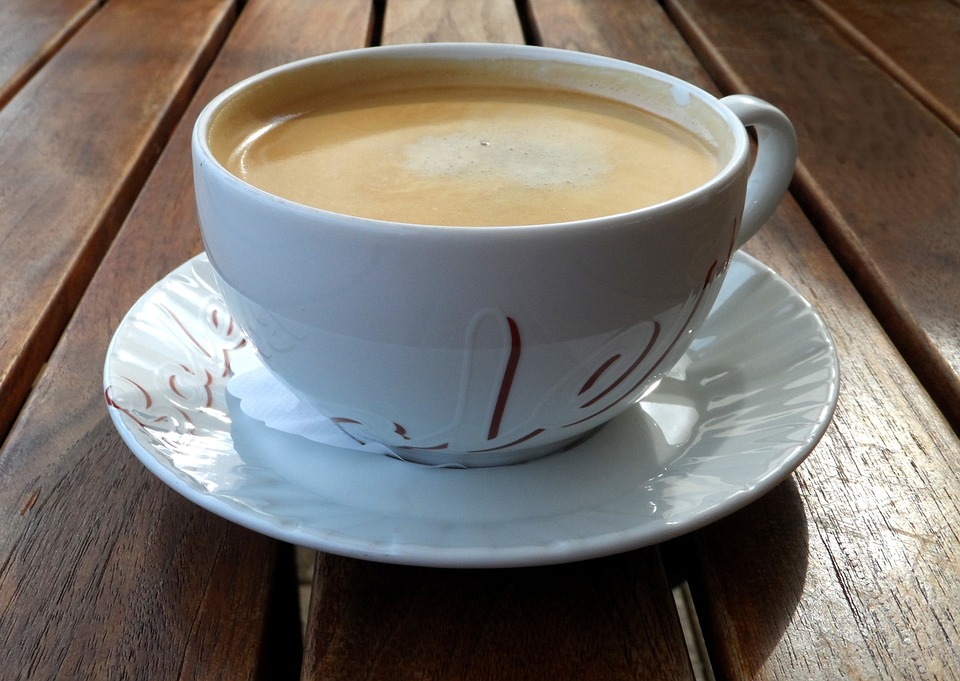
Coffee is an essential ritual for many, a daily indulgence that sets the tone for the day. While the variety of beans and their origin contribute significantly to the flavor profile of your brew, the brewing method and, crucially, the brew time play pivotal roles in determining the final taste. Mastering brew time can transform your coffee experience, unlocking layers of flavor and aroma that might otherwise remain hidden. This article delves into the nuances of brew time across various brewing methods, guiding you towards achieving a perfect cup every time.
Understanding Brew Time
Brew time refers to the duration that water is in contact with coffee grounds during the brewing process. This time directly affects the extraction of flavors, oils, and compounds from the coffee. Too little time, and your coffee may be under-extracted, tasting sour and weak. Too much time, and it might become over-extracted, resulting in a bitter, unpleasant brew. The goal is to find a balance that brings out the best characteristics of your coffee beans.
The Science Behind Brew Time
The extraction of flavors from coffee beans is a complex interplay of chemistry. Water temperature, grind size, and coffee-to-water ratio all interact with brew time to determine the extraction level. Soluble compounds in coffee dissolve at different rates; acids and fruity flavors extract quickly, while sugars and bitters take longer. Mastering brew time involves understanding these variables and adjusting them according to your personal taste and the specific coffee bean properties.
Brew Time Across Different Methods
Different brewing methods require varying brew times to optimize flavor extraction. Below, we explore popular brewing techniques and their ideal brew times.
Espresso
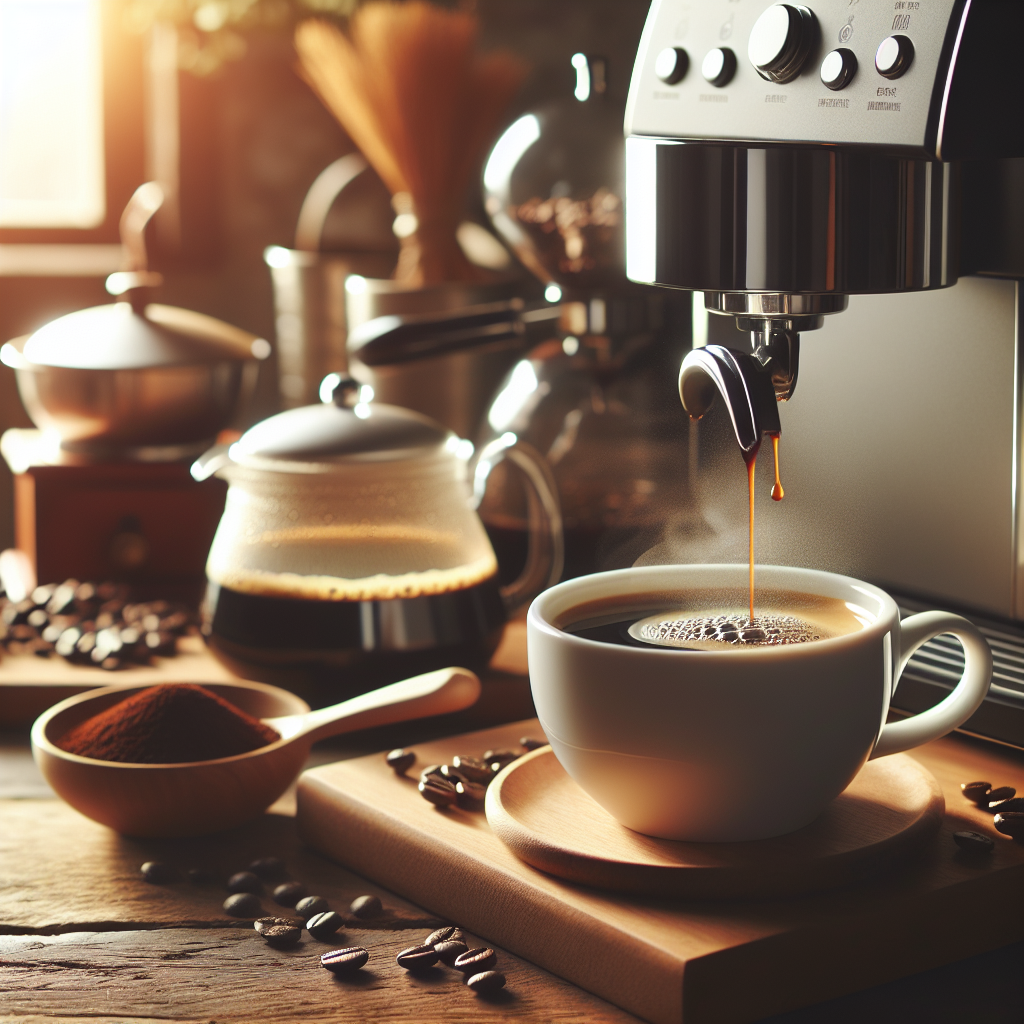
Espresso is a concentrated coffee brewed by forcing hot water through finely-ground coffee under high pressure. The ideal brew time for a single shot of espresso is typically between 25-30 seconds. This short duration is crucial to achieve the right balance of flavors and crema. Adjustments to grind size and tamping pressure can help fine-tune brew time, ensuring perfect espresso extraction.
Pour Over
Pour-over methods, such as the Chemex or Hario V60, involve manually pouring hot water over coffee grounds. The total brew time for pour-over coffee is usually between 3-4 minutes. This time allows for even saturation and extraction, highlighting the clarity and complexity of the coffee’s flavor profile. Adjust the grind size and pour rate to control the brew time and extraction level.
French Press
The French Press, known for its full-bodied and rich coffee, requires a longer brew time. Typically, 4-5 minutes of steeping is recommended for optimal extraction. The coarser grind used in French Press brewing necessitates this extended brew time. After steeping, pressing the plunger separates the grounds from the liquid, completing the brewing process.
AeroPress
The AeroPress is a versatile brewing method offering various ways to achieve different flavor profiles. A typical AeroPress brew time can range from 1-3 minutes, depending on the recipe and desired strength. Shorter brew times yield brighter, more acidic results, while longer times enhance sweetness and body. Experimenting with grind size and water temperature further refines the AeroPress method.
Cold Brew
Cold brew coffee is brewed with cold water over an extended period, usually 12-24 hours. This long brew time results in a smooth, mellow coffee with reduced acidity. The grind size should be coarse to prevent over-extraction during the prolonged contact time. Cold brew is typically concentrated and can be diluted with water or milk before serving.
Factors Influencing Brew Time
Several factors influence the ideal brew time for each method, and understanding these can help you adjust to achieve your preferred taste.
Grind Size
Grind size is a critical factor in determining brew time. Finer grounds increase the surface area, speeding up extraction and shortening brew time. Conversely, coarser grounds slow down extraction, requiring longer brew times. Matching the grind size to the brewing method ensures optimal extraction.
Water Temperature
Water temperature affects the rate of extraction. Hotter water extracts flavors more quickly, reducing brew time, while cooler water slows extraction, necessitating longer times. Most brewing methods work best with water around 195-205°F (90-96°C), but adjustments can be made based on personal preference and coffee type.
Coffee-to-Water Ratio
The ratio of coffee to water also influences extraction and brew time. A higher coffee-to-water ratio typically requires a shorter brew time to prevent over-extraction, while a lower ratio might need a longer time for adequate flavor development. Experimenting with different ratios helps find the perfect balance for your taste.
Tips for Perfect Brew Time
Achieving the ideal brew time involves a combination of science, art, and personal preference. Here are some tips to help you master brew time:
Experiment and Record
Keep a coffee journal to record your experiments with different brew times, grind sizes, and other variables. Documenting your process helps in identifying which adjustments lead to your preferred flavor profile.
Invest in Quality Equipment
High-quality coffee equipment, such as a burr grinder, kettle with temperature control, and a reliable coffee scale, can significantly enhance your ability to control brew time and other variables, leading to consistent results.
Adjust to Bean Characteristics
Different coffee beans have unique characteristics, influenced by factors like origin, roast level, and processing method. Adjusting brew time to complement these characteristics can reveal the best flavors in each cup.
Seek Feedback
Share your coffee creations with friends or fellow coffee enthusiasts and gather feedback. Different palates can provide valuable insights and suggestions for refining your brew time and overall technique.
Conclusion
Mastering brew time is a journey that involves understanding the delicate balance between coffee variables and personal taste. By paying attention to the intricacies of brew time across different methods, experimenting with adjustments, and honing your skills, you can elevate your coffee experience to new heights. Whether you prefer the robust intensity of espresso, the nuanced clarity of pour-over, or the smooth richness of cold brew, mastering brew time ensures that every cup is a perfect reflection of your coffee passion.
#ChatGPT assisted in the creation of this article.



Post Comment