Unlocking the Secrets of Coffee Bean Grading
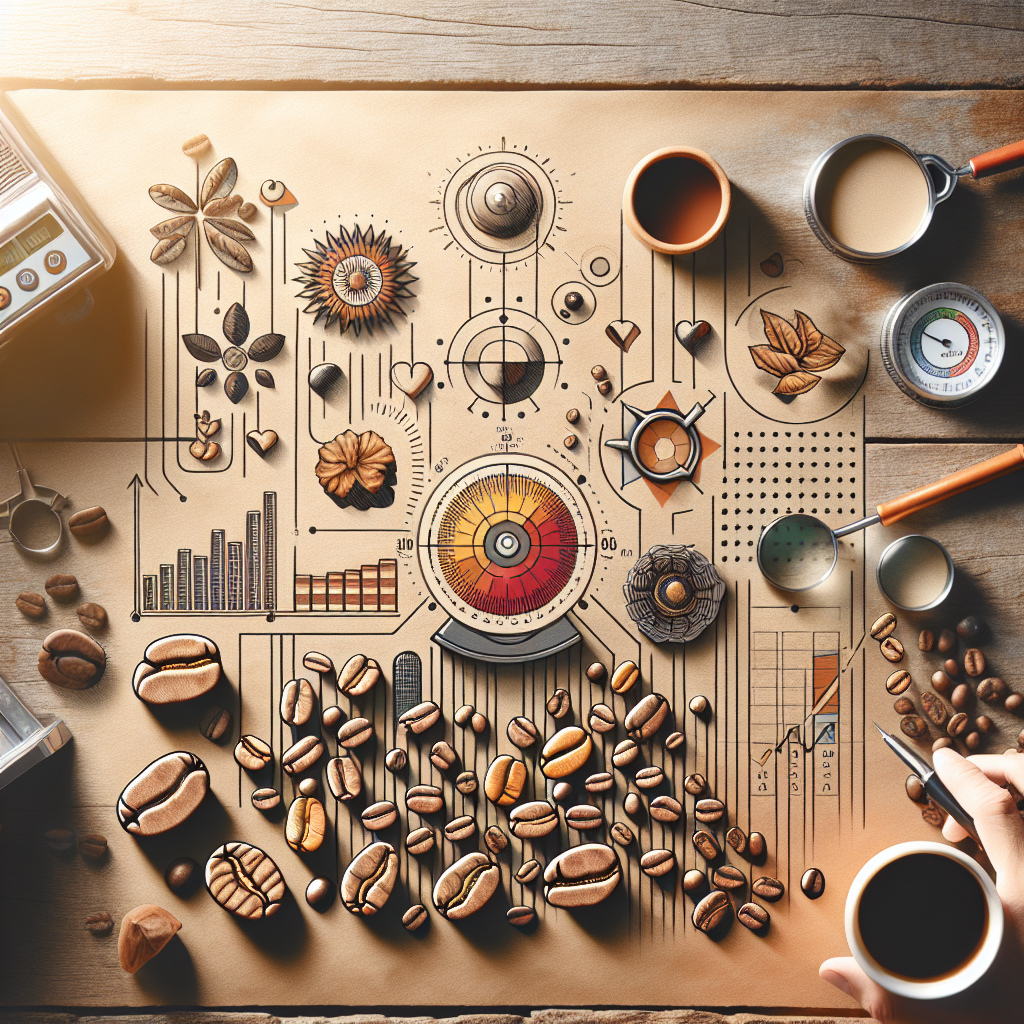
Coffee lovers worldwide savor the delightful aroma and rich flavors of their favorite brew, but few stop to consider the journey that coffee beans undertake before reaching their cup. A critical aspect of this journey is coffee bean grading, a process that ensures quality and consistency. Understanding coffee bean grading can enhance your appreciation for the beverage and empower you to make informed choices when purchasing coffee.
The Importance of Coffee Bean Grading
Coffee bean grading is essential for several reasons. First, it helps maintain quality standards across the industry by categorizing beans based on specific criteria. This ensures that consumers receive a consistent product. Second, grading can influence the price of coffee, with higher-grade beans typically commanding a premium. Finally, grading provides a common language for coffee producers, traders, and consumers, facilitating international trade and communication.
Criteria for Coffee Bean Grading
Different regions and organizations have their own grading systems, but most consider similar criteria. The primary factors include:
Size and Shape
The size and shape of coffee beans are significant indicators of quality. Larger beans are often more desirable because they tend to have a more developed flavor profile. Beans are typically graded using sieves with varying hole sizes, and beans that pass through specific screens are grouped together.
Color and Appearance
The color and appearance of coffee beans provide insight into their quality and processing methods. Uniform color suggests proper drying and fermentation, while uneven coloring may indicate defects. Additionally, the presence of foreign materials, broken beans, or insect damage can lower a bean’s grade.
Defects
Defects in coffee beans can significantly impact flavor and quality. Common defects include black beans, sour beans, and insect-damaged beans. Graders meticulously inspect samples to identify and count defects, which are often classified as primary or secondary. The fewer the defects, the higher the grade.
Moisture Content
The moisture content of coffee beans affects their shelf life and flavor. Ideally, beans should have a moisture content between 10% and 12%. Excess moisture can lead to mold growth and off-flavors, while overly dry beans may lose flavor and aroma.
Flavor Profile
Taste is the ultimate test of coffee quality. Professional cuppers evaluate samples for aroma, acidity, body, and balance. A complex and well-balanced flavor profile indicates high-quality beans.
International Coffee Grading Systems
Different countries and organizations have developed their own grading systems to suit local needs and preferences. Some of the most recognized systems include:
Specialty Coffee Association (SCA)
The Specialty Coffee Association (SCA) uses a 100-point scale to grade coffee. Beans scoring 80 points or higher are considered specialty grade. The SCA grading system evaluates flavor, aroma, acidity, body, and uniformity, among other factors.
Colombian Coffee Grading
Colombia, renowned for its high-quality coffee, uses a unique grading system. Beans are categorized as Supremo, Excelso, or UGQ (Usual Good Quality). Supremo beans are the largest and highest quality, while Excelso beans are slightly smaller but still of excellent quality.
Kenyan Coffee Grading
Kenya employs a grading system based on bean size. The highest grade, AA, consists of the largest beans, followed by AB, PB (Peaberry), C, and E (Elephant). Kenyan coffee is prized for its bright acidity and complex flavors.
Brazilian Coffee Grading
Brazil, the world’s largest coffee producer, uses a grading system based on defects and bean size. Beans are graded as Strictly Soft, Soft, Hard, Riado, Rio, and Rio Zona, with Strictly Soft representing the highest quality.
The Impact of Coffee Bean Grading on Flavor
The grading process significantly impacts the flavor profile of coffee. High-grade beans, with minimal defects and optimal size, typically produce a more consistent and desirable flavor. These beans are often sourced from specific regions and microclimates that contribute unique characteristics to the coffee.
Conversely, lower-grade beans may have more defects and inconsistencies, leading to a less refined flavor. However, skilled roasters can sometimes mask or balance these imperfections to create a satisfying cup.
How Consumers Can Benefit from Understanding Coffee Grading
For consumers, understanding coffee bean grading can enhance the coffee-drinking experience. Knowledge of grading systems allows consumers to make informed choices and better appreciate the nuances of different coffees. Here are some ways consumers can benefit:
Informed Purchasing Decisions
With knowledge of grading systems, consumers can select coffee that aligns with their taste preferences and budget. Higher-grade beans may be more expensive but often deliver superior flavor and aroma.
Appreciation for Specialty Coffee
Understanding the effort and precision involved in grading can deepen appreciation for specialty coffee. Recognizing the characteristics that define high-quality beans can enhance the enjoyment of each cup.
Exploration of Coffee Varieties
Knowledge of grading systems can encourage consumers to explore a wider range of coffee varieties. By trying different grades and origins, coffee enthusiasts can discover new flavors and expand their palate.
Conclusion
Unlocking the secrets of coffee bean grading reveals a fascinating aspect of the coffee industry. From size and shape to flavor profile, each criterion plays a vital role in determining the quality and taste of coffee. By understanding the intricacies of grading, consumers can make more informed choices and savor the unique qualities of each cup. As the global coffee industry continues to evolve, the significance of coffee bean grading remains a cornerstone of quality assurance and consumer satisfaction.
#ChatGPT assisted in the creation of this article.




Post Comment