Coffee Climate Impact: How Global Warming Alters Taste
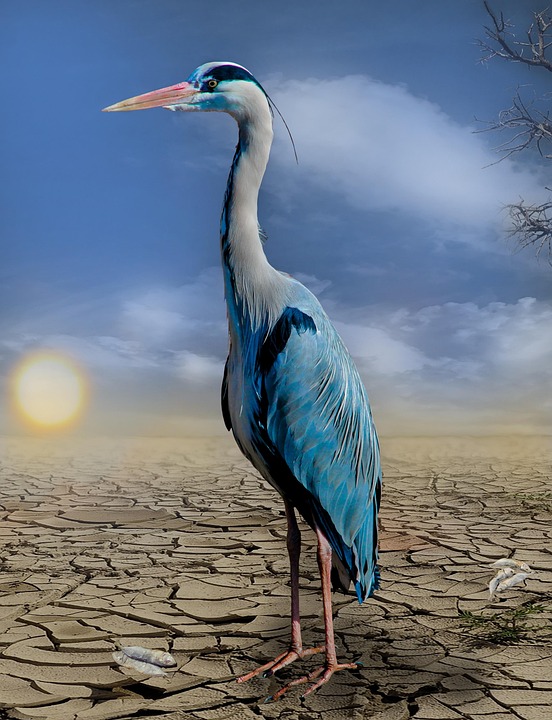
Coffee, a beloved beverage enjoyed by millions worldwide, is facing a significant challenge: climate change. As global temperatures rise, the coffee industry is witnessing profound transformations that affect not only cultivation practices but also the taste profile of coffee. This article delves into the intricate relationship between global warming and coffee, focusing on how climate change alters the taste of this cherished drink.
The Basics of Coffee Cultivation
Coffee is primarily grown in tropical regions along the “Coffee Belt,” which includes countries like Brazil, Colombia, Ethiopia, and Vietnam. The two main species of coffee plants are Arabica and Robusta, each with distinct cultivation requirements. Arabica, known for its superior flavor, is more sensitive to climate variations, requiring cooler temperatures and higher altitudes. In contrast, Robusta is more resilient but often considered inferior in taste.
Impact of Rising Temperatures
Temperature and Growth
As global temperatures rise, the optimal growing conditions for coffee are shifting. Coffee plants are sensitive to temperature fluctuations, with the ideal range for Arabica being between 18°C to 22°C (64°F to 72°F). Temperatures exceeding this range can stress the plants, leading to decreased yields and altered flavor profiles. Higher temperatures can accelerate the ripening process, affecting the development of flavor compounds in the coffee cherries.
Altitude Shifts
Coffee growers are increasingly seeking higher altitudes to escape the heat, as cooler temperatures at elevated levels can mitigate some of the impacts of global warming. This shift poses challenges, including limited suitable land and increased costs. As coffee cultivation moves to higher altitudes, flavor profiles are likely to change, with the potential for new, unique taste characteristics.
Precipitation Patterns and Coffee Quality
Rainfall Variability
Climate change is also affecting rainfall patterns, leading to increased variability. Coffee plants require a delicate balance of wet and dry periods to flourish. Excessive rainfall can cause soil erosion and nutrient leaching, while insufficient rainfall can lead to drought stress. Both scenarios can negatively impact coffee quality and taste, as water availability is crucial for the proper development of coffee cherries.
Impact on Flavor Compounds
The flavor of coffee is the result of complex interactions between various compounds, including acids, sugars, and aromatic molecules. Changes in precipitation can disrupt the balance of these compounds, leading to alterations in the coffee’s taste. For instance, insufficient rainfall may result in less acidity and sweetness, while excessive moisture can dilute the flavors.
Pests and Diseases
Increased Incidence
Rising temperatures and altered precipitation patterns contribute to the proliferation of pests and diseases that threaten coffee crops. The coffee berry borer, a notorious pest, thrives in warmer conditions and can devastate coffee plantations. Similarly, diseases like coffee leaf rust are becoming more prevalent due to favorable climate conditions. These threats can lead to decreased coffee quality and yield, further impacting taste.
Impact on Coffee Genetics
The increased incidence of pests and diseases is prompting coffee breeders to develop resistant varieties. While these efforts aim to safeguard coffee production, there is a risk that new genetic variations could lead to changes in flavor. Balancing resilience and taste will be crucial for maintaining the quality of coffee in a changing climate.
Adaptation Strategies
Sustainable Farming Practices
To combat the effects of climate change, coffee farmers are adopting sustainable practices that enhance resilience. These include agroforestry, where coffee is grown under the canopy of trees, providing shade and maintaining biodiversity. Shade-grown coffee often develops unique flavors and can offer protection against temperature extremes and erratic rainfall.
Innovative Breeding Techniques
Advances in coffee breeding are yielding new varieties that are more resilient to climate change while preserving desirable flavor profiles. Breeders are focusing on developing hybrids that combine the best traits of Arabica and Robusta, aiming for plants that can withstand environmental stressors without compromising taste.
Consumer Role and Awareness
As the effects of climate change on coffee become more apparent, consumers play a crucial role in supporting sustainable practices. By choosing coffee from farms that prioritize environmental stewardship, consumers can help incentivize sustainable practices that protect both coffee quality and the environment. Additionally, consumer awareness and demand for transparency can drive changes in the coffee industry towards more sustainable and climate-resilient practices.
Conclusion
Climate change poses significant challenges to the coffee industry, with rising temperatures, altered precipitation patterns, and increased pest and disease pressure affecting coffee quality and taste. However, through adaptation strategies, sustainable practices, and consumer support, the industry can navigate these challenges and preserve the rich flavors that make coffee a beloved global beverage. As we continue to confront the realities of global warming, the future of coffee will depend on our collective ability to innovate and adapt.
#ChatGPT assisted in the creation of this article.



Post Comment