Unleashing Flavor: Volcanic Soil Coffee’s Unique Edge
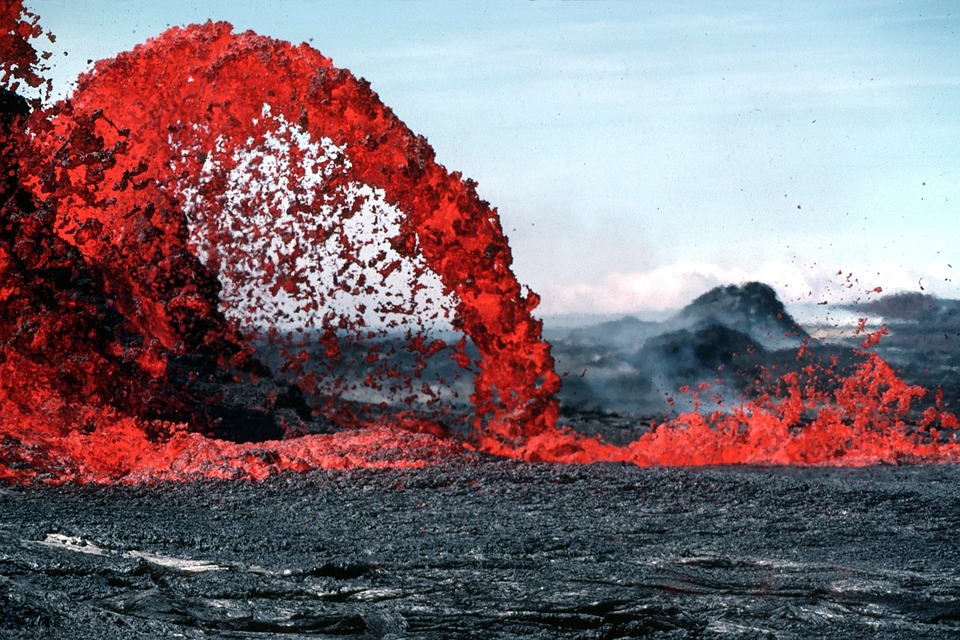
Coffee’s allure lies not only in its invigorating effects but also in its complex range of flavors, aromas, and textures. Among the myriad factors that contribute to this diversity, the origin and cultivation conditions play critical roles. Among these, volcanic soil stands out as a particularly fascinating element. Coffee grown in volcanic regions is often celebrated for its unique and robust flavor profile. This article explores the distinctive edge that volcanic soil imparts to coffee, examining the science behind it, specific regions where it thrives, and the unparalleled experiences it offers to coffee enthusiasts.
The Science of Volcanic Soil
Volcanic soil, also known as andisol, is formed from volcanic ash and rock. This type of soil is rich in minerals that are crucial for the growth of coffee plants. The mineral content includes elements such as potassium, calcium, magnesium, and phosphorus, which are essential for plant health. These nutrients contribute to the development of the coffee plant’s fruit, ultimately influencing the flavor profile of the beans.
In addition to its mineral richness, volcanic soil is known for its excellent drainage properties. Coffee plants require well-drained soil to prevent root rot and other water-related issues. Volcanic soil’s porous nature ensures that water does not accumulate around the roots, allowing the plants to thrive even in regions with heavy rainfall.
Furthermore, the natural acidity of volcanic soil can enhance the flavor of coffee. The acidity allows for better nutrient absorption by the plants, which can lead to a more vibrant and complex flavor profile in the coffee beans. This acidity is often reflected in the cup, resulting in bright and lively flavors that are highly prized by coffee connoisseurs.
Regions Known for Volcanic Soil Coffee
Several coffee-growing regions around the world are located near active or dormant volcanoes, providing ideal conditions for the cultivation of high-quality coffee. Let’s explore some of these renowned regions and the distinctive characteristics of their coffees.
Costa Rica
Costa Rica is home to several active volcanoes, and its Central Valley and Tarrazú regions are particularly famous for their coffee. The rich volcanic soil in these areas contributes to the production of coffee with a bright acidity, fruity notes, and a full-bodied flavor. The combination of volcanic soil, high altitude, and ideal climate conditions makes Costa Rican coffee one of the most sought-after in the world.
Hawaii
Hawaii’s Kona region, located on the slopes of the Mauna Loa volcano, is renowned for its unique coffee. The volcanic soil in this area, coupled with the warm climate and ample rainfall, creates ideal growing conditions. Kona coffee is known for its smooth, rich flavor with notes of caramel and a hint of nuttiness. The volcanic soil’s mineral content contributes to the coffee’s complexity and depth.
Sumatra
Indonesia’s Sumatra island is another region where volcanic soil plays a crucial role in coffee production. The fertile slopes of the island’s volcanoes provide a nutrient-rich environment for coffee plants. Sumatran coffee is famous for its earthy, full-bodied flavor with low acidity and notes of chocolate and spices. The unique processing methods used in Sumatra, combined with the volcanic soil’s influence, result in a coffee that is bold and distinctive.
Guatemala
Guatemala’s Antigua region is surrounded by three volcanoes, creating a unique microclimate and fertile soil perfect for coffee cultivation. Coffee from Antigua is known for its balanced flavor profile, featuring bright acidity, chocolate notes, and a hint of smokiness. The volcanic soil in this region contributes to the coffee’s vibrant and well-rounded character.
Colombia
The Andean region of Colombia, with its numerous volcanoes, provides an excellent environment for coffee cultivation. Colombian coffee is celebrated for its smooth, mild flavor with bright acidity and fruity notes. The volcanic soil’s mineral richness enhances the coffee’s flavor, making it one of the most popular choices among coffee drinkers worldwide.
The Experience of Volcanic Soil Coffee
Coffee grown in volcanic regions offers a sensory experience that is unparalleled. The unique combination of minerals, drainage, and acidity in volcanic soil creates a canvas for developing complex and nuanced flavors. This complexity is further enhanced by the altitude and microclimates of these regions, which influence the rate at which coffee cherries mature and develop their flavors.
When tasting volcanic soil coffee, one can expect a range of flavors that are vibrant and dynamic. The bright acidity often found in these coffees provides a lively and refreshing quality, while the mineral richness adds depth and complexity. Each sip can reveal layers of flavor, from fruity and floral notes to chocolatey and nutty undertones.
For coffee enthusiasts, the diversity of volcanic soil coffee offers an exciting opportunity to explore different flavor profiles and discover new favorites. Whether it’s the bright, fruity notes of a Costa Rican coffee or the bold, earthy flavors of a Sumatran brew, volcanic soil coffee provides a journey of taste that is as varied as the regions from which it originates.
Sustainability and Volcanic Soil Coffee
In addition to its flavor benefits, coffee cultivation in volcanic regions often aligns with sustainable agricultural practices. The natural fertility of volcanic soil reduces the need for chemical fertilizers, promoting more environmentally friendly farming methods. Many coffee producers in these areas also adopt shade-grown and organic practices, further contributing to the sustainability of their operations.
Moreover, the unique terroir of volcanic regions often encourages the production of specialty coffee, which commands higher prices in the market. This economic incentive supports local farmers and communities, helping to preserve traditional farming practices and improve livelihoods.
Conclusion
The unique edge of volcanic soil coffee lies in its ability to produce beans with extraordinary flavor complexity and depth. The rich mineral content, excellent drainage, and natural acidity of volcanic soil create ideal conditions for coffee cultivation, resulting in brews that are vibrant, dynamic, and memorable. From the bright, fruity notes of Costa Rican coffee to the bold, earthy flavors of Sumatran beans, volcanic soil coffee offers a diverse and exciting experience for coffee lovers.
As more consumers become interested in the origins and stories behind their coffee, the appreciation for volcanic soil coffee continues to grow. By exploring the unique characteristics of coffee from volcanic regions, we not only enhance our sensory experiences but also support sustainable practices and the communities that produce these exceptional beans. Whether you’re a seasoned coffee connoisseur or a curious newcomer, the world of volcanic soil coffee promises a journey of discovery and delight.
“`
#ChatGPT assisted in the creation of this article.



Post Comment