Master the Art: Top Coffee Brewing Tips
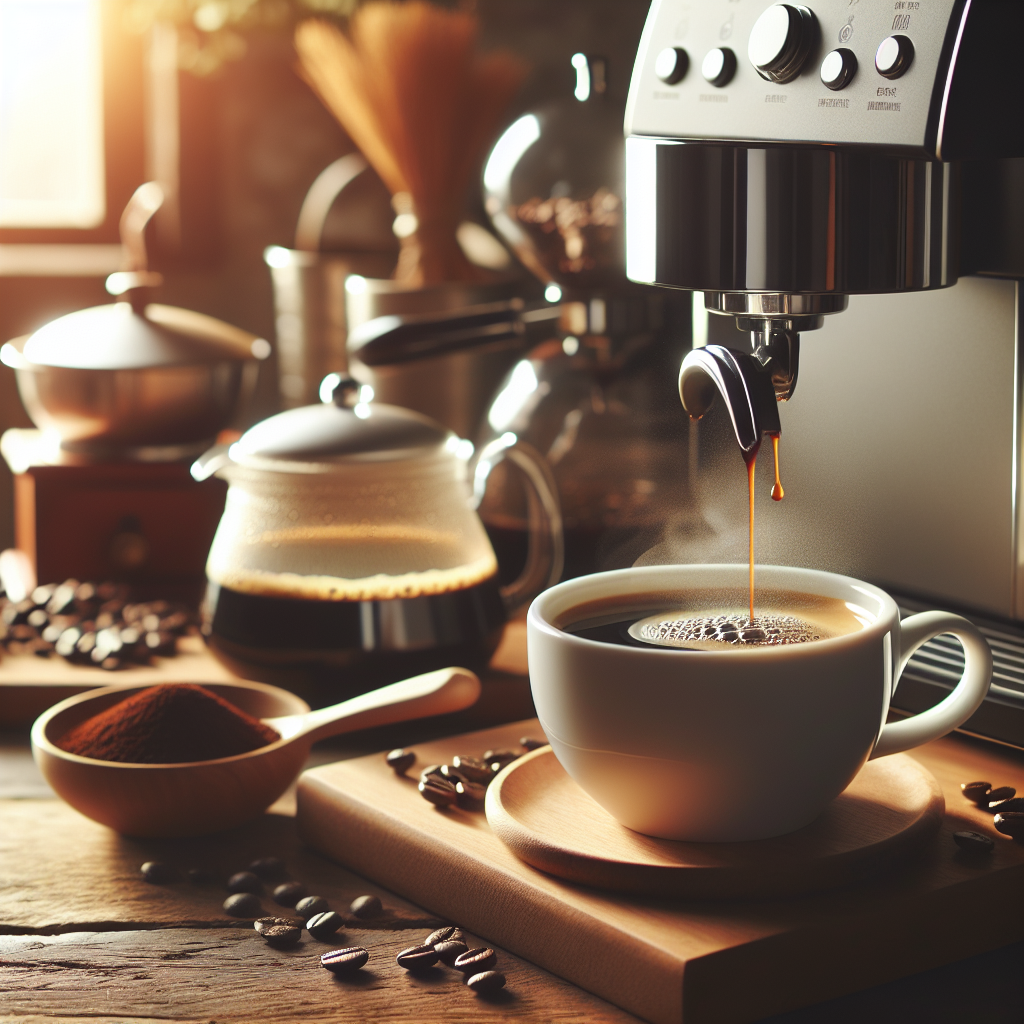
Coffee is more than just a beverage; it’s a ritual, an experience, and for many, a passion. With the vast array of brewing methods available, each producing its unique flavor profile and aroma, it can be overwhelming to perfect the art of coffee brewing. Whether you’re a novice just beginning your coffee journey or a seasoned aficionado looking to refine your skills, this guide will provide you with essential tips to master the art of coffee brewing.
Understanding Coffee Beans
The journey to a perfect cup of coffee begins with selecting the right beans. Coffee beans can be broadly categorized into two main types: Arabica and Robusta. Arabica beans are known for their smooth, mild flavor and are generally considered superior in quality. Robusta beans, on the other hand, have a stronger, more bitter taste and contain more caffeine.
Freshness Matters
The freshness of your coffee beans significantly affects the taste of your brew. Always opt for whole beans and grind them just before brewing. Store your beans in an airtight container in a cool, dark place to preserve their freshness and flavor.
Roast Profile
The roast profile of your coffee beans will influence the flavor of your brew. Light roasts tend to have a brighter acidity and more pronounced fruity notes, while dark roasts offer a richer, more robust flavor. Choose a roast profile that complements your preferred brewing method.
Choosing the Right Brewing Method
With numerous brewing methods available, each offering a distinct taste and experience, it’s crucial to select one that suits your preference.
Pour Over
A popular choice among coffee enthusiasts, the pour-over method involves manually pouring hot water over coffee grounds. This method allows for precise control over the brewing time and water temperature, resulting in a clean and flavorful cup. Use a gooseneck kettle for better control over the pour rate and consistency.
French Press
The French press is renowned for producing a rich, full-bodied cup of coffee. It’s a straightforward method that involves steeping coarsely ground coffee in hot water before pressing down a metal or plastic plunger to separate the grounds. To achieve the best results, use a coarse grind and steep for about four minutes.
Espresso
Espresso is the foundation for many popular coffee beverages, including cappuccinos and lattes. It requires a specialized machine that forces hot water through finely-ground coffee at high pressure. Using fresh, finely ground coffee and ensuring your machine is well-maintained are key to pulling the perfect shot of espresso.
Aeropress
The Aeropress is a versatile and portable brewing device that uses air pressure to push hot water through coffee grounds. It’s known for producing a smooth, concentrated cup of coffee in just a minute or two. Experiment with different grind sizes and brewing times to find your ideal flavor profile.
Cold Brew
Cold brew is a refreshing alternative to traditional hot coffee, made by steeping coarsely ground coffee in cold water for an extended period, usually 12 to 24 hours. This method results in a smooth, mellow brew with low acidity. Use a high coffee-to-water ratio and filter the concentrate before serving.
Water Quality and Temperature
Water is a crucial component of coffee, making up about 98% of your cup. Therefore, the quality and temperature of the water you use will significantly impact the flavor of your coffee.
Water Quality
Always use filtered water to brew your coffee. Tap water can contain impurities and minerals that affect the flavor. The ideal water for coffee should have a neutral pH and be free of chlorine and other contaminants.
Water Temperature
The optimal water temperature for brewing coffee is between 195°F and 205°F (90°C and 96°C). Water that’s too hot can scorch the coffee grounds, resulting in a bitter taste, while water that’s too cool can under-extract the flavors, leading to a weak and sour brew.
Perfecting the Grind
The grind size of your coffee beans is essential for extracting the right flavors and aromas. Different brewing methods require different grind sizes.
Grind Size
– **Coarse Grind:** Ideal for French press and cold brew, a coarse grind resembles sea salt.
– **Medium Grind:** Best for drip coffee makers and pour-over methods, a medium grind has a texture similar to sand.
– **Fine Grind:** Suitable for espresso machines, a fine grind should feel like powdered sugar.
– **Extra Fine Grind:** Used for Turkish coffee, this grind is finer than espresso and has a flour-like consistency.
Burr Grinder vs. Blade Grinder
Investing in a quality burr grinder is crucial for achieving a consistent grind size. Burr grinders crush the beans between two sharp surfaces, allowing for precise control over the grind size. Blade grinders, on the other hand, tend to produce uneven particles, which can lead to inconsistent extraction.
Mastering the Coffee-to-Water Ratio
The coffee-to-water ratio determines the strength and flavor of your brew. A general guideline is to use one to two tablespoons of coffee per six ounces of water, but this can be adjusted based on personal preference.
Measuring by Weight
For the most accurate results, measure your coffee and water by weight rather than volume. A kitchen scale can help you achieve the perfect balance and ensure consistency in every cup.
Troubleshooting Common Brewing Issues
Even with the best techniques, issues can arise during the brewing process. Here are some common problems and how to address them:
Bitter Taste
A bitter cup of coffee is often the result of over-extraction. This can be caused by using too fine a grind, brewing for too long, or using water that’s too hot. Adjust these variables to achieve a smoother taste.
Weak or Sour Taste
Under-extraction leads to a weak or sour brew. This can happen if your grind is too coarse, your brew time is too short, or your water temperature is too low. Experiment with these factors to enhance the flavor of your coffee.
Inconsistent Brew
Inconsistencies in your coffee can stem from uneven grinding or inaccurate measurements. Ensure you’re using a burr grinder for uniform grinds and measuring your ingredients precisely.
Conclusion
Mastering the art of coffee brewing is a journey of exploration and experimentation. By understanding the nuances of coffee beans, selecting the right brewing method, and fine-tuning variables like water quality, grind size, and coffee-to-water ratio, you can elevate your coffee experience to new heights. Whether you prefer a bold espresso or a smooth cold brew, these tips will help you craft the perfect cup, every time. Remember, the best cup of coffee is the one that brings you joy, so don’t hesitate to experiment and discover your personal brewing style.
“`
#ChatGPT assisted in the creation of this article.




Post Comment