Discover the Rich Flavors of African Coffee Beans
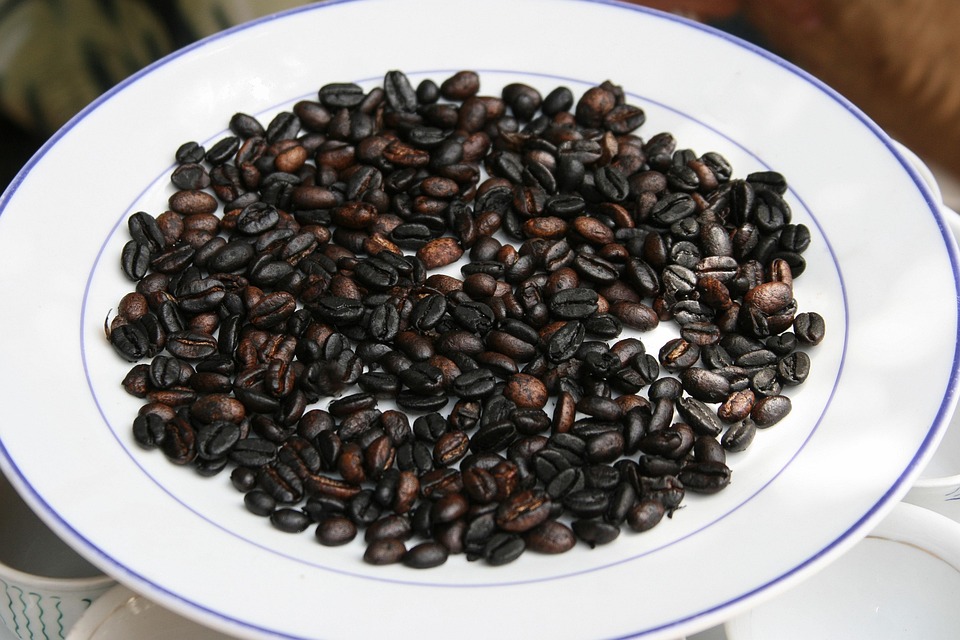
Africa, often referred to as the birthplace of coffee, is renowned for its diverse and rich coffee flavors. The continent’s unique geography, climate, and historical cultivation practices have given rise to some of the most sought-after coffee beans in the world. From the highlands of Ethiopia to the tropical regions of Kenya, African coffee beans are celebrated for their vibrant flavors, aromatic profiles, and complex acidity. This article delves into the rich flavors of African coffee beans, exploring the various regions and the distinct characteristics that make them stand out in the global coffee market.
The Birthplace of Coffee: Ethiopia
Ethiopia is often hailed as the birthplace of coffee, with a rich history that dates back centuries. It is believed that the coffee plant, Coffea arabica, was first discovered in the Ethiopian region of Kaffa. Today, Ethiopia is home to a multitude of coffee-growing regions, each offering unique flavors and profiles.
Yirgacheffe
Yirgacheffe, located in southern Ethiopia, is one of the most famous coffee-growing regions in the country. Coffee from Yirgacheffe is known for its bright acidity, floral notes, and tea-like body. The beans often exhibit a complex array of flavors, including hints of citrus, jasmine, and bergamot. The unique characteristics of Yirgacheffe coffee are largely attributed to the region’s high elevation, fertile soil, and traditional processing methods.
Sidamo
Another prominent coffee region in Ethiopia is Sidamo, which is renowned for its full-bodied coffees with bright acidity and fruity flavors. Sidamo coffee often carries notes of berries, citrus, and even chocolate. The diverse microclimates and altitudes in Sidamo contribute to the wide range of flavor profiles found in its coffee beans.
Kenya: The Land of Vibrant Flavors
Kenya is another African country celebrated for its exceptional coffee. Kenyan coffee is highly esteemed for its bright acidity, full body, and intense flavors. The beans are often characterized by their wine-like acidity and complex notes of blackcurrant, berry, and citrus.
Growing Conditions and Processing
The unique flavors of Kenyan coffee can be attributed to the country’s ideal growing conditions. The high altitudes, volcanic soils, and equatorial climate create an environment that is perfect for cultivating high-quality coffee. Furthermore, Kenyan coffee is meticulously processed, often using the wet processing method, which enhances the beans’ bright and clean flavors.
Regions and Varieties
Some of the most renowned coffee-growing regions in Kenya include Nyeri, Kirinyaga, and Murang’a. These regions, located on the slopes of Mount Kenya, are known for producing some of the finest coffee in the world. The SL28 and SL34 varieties, developed specifically for Kenya’s climate, are highly prized for their exceptional quality and flavor profiles.
Exploring the Coffee Gems of Rwanda
Rwanda, often referred to as the “land of a thousand hills,” has emerged as a significant player in the world of specialty coffee. Rwandan coffees are celebrated for their bright acidity, silky body, and flavors of red fruit and citrus.
Impact of Geography
The country’s mountainous terrain, tropical climate, and mineral-rich volcanic soil create optimal conditions for coffee cultivation. Rwandan coffee is typically grown at high altitudes, which contributes to its vibrant acidity and complex flavor profiles.
Commitment to Quality
In recent years, Rwanda has made significant strides in improving the quality of its coffee through initiatives focused on education, processing techniques, and cooperative development. This commitment to quality has helped Rwandan coffee gain recognition on the international stage, with many coffee enthusiasts seeking out its unique flavors.
Burundi: A Rising Star in African Coffee
Burundi, a small landlocked country in East Africa, is gaining attention for its high-quality coffee. Burundian coffee is known for its sweet and fruity flavors, bright acidity, and notes of citrus, berry, and floral undertones.
The Role of Microclimates
The diverse microclimates in Burundi, combined with the country’s high altitudes and nutrient-rich soil, provide ideal conditions for coffee cultivation. The small-scale farmers in Burundi often utilize traditional farming practices, resulting in coffee with distinct and nuanced flavor profiles.
Challenges and Opportunities
Despite facing challenges such as political instability and economic hardship, Burundi’s coffee industry has shown great resilience. Initiatives aimed at improving infrastructure, education, and access to international markets are helping to elevate the quality of Burundian coffee and increase its global presence.
Conclusion
African coffee beans offer a rich tapestry of flavors and aromas that reflect the continent’s diverse landscapes and cultural heritage. From the floral and citrus notes of Ethiopian Yirgacheffe to the bold and vibrant flavors of Kenyan coffee, African coffees are celebrated for their complexity and depth. As the global demand for specialty coffee continues to grow, the unique characteristics of African coffee beans are increasingly being recognized and appreciated by coffee enthusiasts around the world.
The rich flavors of African coffee are more than just a testament to the continent’s ideal growing conditions; they are a reflection of the dedication and passion of the farmers who cultivate these beans. As consumers, we have the opportunity to support these communities by exploring and savoring the diverse range of flavors that African coffee has to offer. Whether you are a seasoned coffee connoisseur or a casual drinker, the world of African coffee awaits your discovery.
#ChatGPT assisted in the creation of this article.



Post Comment