Discover the Rich Flavors of Guatemalan Coffee

Guatemala, a Central American country renowned for its diverse landscapes and rich cultural heritage, is also celebrated for its exceptional coffee. With its volcanic soil, high altitudes, and unique microclimates, Guatemala produces some of the most distinctive and flavorful coffees in the world. This article delves into the fascinating world of Guatemalan coffee, exploring the regions that contribute to its unique taste and the factors that make it a favorite among coffee connoisseurs.
The Ideal Conditions for Coffee Cultivation
Coffee cultivation in Guatemala thrives due to a combination of ideal geographical and climatic conditions. The country is home to numerous volcanoes, and the volcanic soil is rich in minerals that contribute to the complexity of the coffee’s flavor profile. Additionally, the high altitudes, ranging from 1,500 to 2,000 meters above sea level, allow coffee plants to develop slowly, resulting in denser beans with more concentrated flavors.
The diverse microclimates across the country, influenced by varying altitudes, rainfall patterns, and temperatures, allow for the cultivation of a wide range of coffee varieties. This diversity is reflected in the distinct taste profiles of coffees from different regions, each offering a unique experience for the palate.
Exploring the Coffee Regions of Guatemala
Guatemala is divided into several coffee-growing regions, each with its own unique characteristics and flavor profiles. Below, we explore some of the most prominent regions and what makes their coffee stand out.
Antigua
The Antigua region is perhaps the most famous coffee-growing area in Guatemala. Nestled between three volcanoes—Agua, Fuego, and Acatenango—Antigua is known for its ideal growing conditions. The region’s volcanic soil, combined with a temperate climate and consistent rainfall, produces coffee with a full-bodied flavor, bright acidity, and notes of chocolate and nuts. Antigua coffee is often considered the epitome of Guatemalan coffee, prized for its balance and complexity.
Huehuetenango
Located in the highlands of western Guatemala, Huehuetenango is one of the country’s highest and driest coffee-growing regions. The region’s high elevations, reaching up to 2,000 meters, result in a slower maturation process for coffee cherries, enhancing the beans’ flavor profile. Huehuetenango coffee is known for its fruity acidity, floral notes, and a pronounced sweetness that often includes hints of caramel and wine. The region’s remote location and challenging terrain make Huehuetenango coffee a rare and sought-after treat.
Atitlán
Coffee from the Atitlán region is grown around the stunning Lake Atitlán, surrounded by picturesque volcanoes. The region’s unique microclimate, influenced by the lake’s presence, creates an ideal environment for coffee cultivation. Atitlán coffee is characterized by its lively acidity, full body, and bright, fruity flavors. The cup often features citrus and floral notes, making it a favorite among those who enjoy a vibrant and complex coffee experience.
Cobán
Cobán, located in the north-central part of Guatemala, is known for its lush, rainforest-like environment. The region experiences high humidity and frequent rainfall, which contribute to the unique flavors of its coffee. Cobán coffee is noted for its bright acidity, medium body, and distinctive spicy and herbal notes. The coffee often carries hints of cardamom and allspice, offering a unique and memorable taste experience.
The Coffee Production Process in Guatemala
Guatemalan coffee production is characterized by traditional methods that have been passed down through generations. The majority of the country’s coffee is shade-grown, which helps to preserve the natural biodiversity of the regions and protect the environment. The following outlines the key steps in the production process:
1. Harvesting
Coffee harvesting in Guatemala typically takes place between December and March. The cherries are handpicked to ensure that only the ripest and highest-quality cherries are selected. This labor-intensive process is crucial for maintaining the quality and consistency of Guatemalan coffee.
2. Processing
After harvesting, the coffee cherries undergo processing to remove the outer pulp and mucilage. The most common method used in Guatemala is the washed (or wet) process, where the cherries are fermented and then washed to separate the beans. This method enhances the coffee’s acidity and clarity, resulting in a clean and bright cup.
3. Drying and Milling
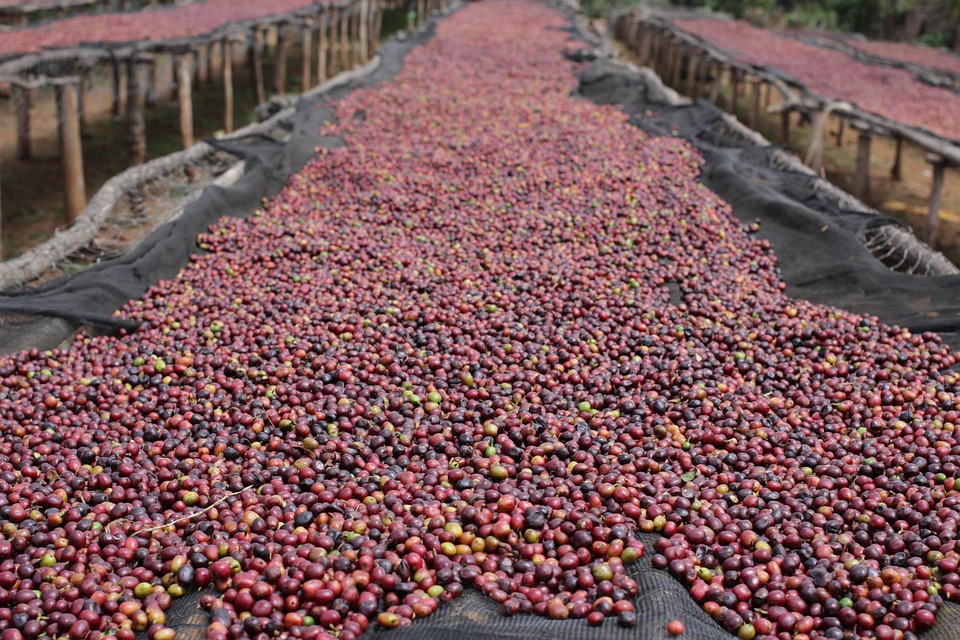
Once the beans are processed, they are dried to reduce their moisture content. In Guatemala, beans are often sun-dried on patios or raised beds. After drying, the beans are hulled to remove the parchment layer, resulting in green coffee beans ready for export.
4. Roasting and Cupping
Roasting plays a critical role in developing the flavors of Guatemalan coffee. Roasters carefully select and roast beans to highlight their unique characteristics. Cupping sessions are conducted to evaluate the coffee’s quality, ensuring that each batch meets the high standards associated with Guatemalan coffee.
The Impact of Sustainability and Fair Trade
Guatemala’s coffee industry has made significant strides in promoting sustainability and fair trade practices. Many coffee producers are committed to environmentally friendly cultivation methods, such as organic farming and shade-grown coffee, which help preserve the natural ecosystem.
Fair trade initiatives have also gained traction in Guatemala, ensuring that coffee farmers receive fair compensation for their labor and efforts. These initiatives empower local communities, improve living conditions, and promote social and economic development.
Conclusion
Guatemalan coffee is a testament to the country’s rich biodiversity and cultural heritage. With its diverse regions, ideal growing conditions, and commitment to quality, Guatemala produces some of the most sought-after coffees in the world. Each cup offers a unique journey of flavors, from the bright acidity of Huehuetenango to the chocolatey richness of Antigua.
Whether you’re a seasoned coffee aficionado or a curious newcomer, exploring the rich flavors of Guatemalan coffee is an experience not to be missed. Its distinctive taste profiles, combined with the dedication of growers and producers, make Guatemalan coffee a true delight for the senses.
#ChatGPT assisted in the creation of this article.



Post Comment