Discover the Rich Flavors of Kenyan Coffee

Kenya is renowned for producing some of the world’s most distinguished and flavorful coffee. The unique combination of the country’s high altitudes, fertile volcanic soils, and ideal climate creates the perfect environment for coffee cultivation. This article explores the distinctive characteristics, historical significance, and cultural impact of Kenyan coffee, offering insight into why it remains a favorite among coffee connoisseurs worldwide.
The Birthplace of Kenyan Coffee
The history of coffee in Kenya is both fascinating and complex. Although coffee is not indigenous to Kenya, the country has become one of Africa’s most prominent coffee producers. Coffee was introduced to Kenya by European missionaries in the late 19th century. Since then, it has grown to become one of the country’s most important agricultural exports.
Initially, coffee cultivation was largely controlled by colonial settlers, but post-independence, the industry experienced significant restructuring. Smallholder farmers began to play a crucial role in coffee production, contributing to 70% of the country’s total coffee output. These small-scale farms are organized into cooperatives, which have been instrumental in managing production, marketing, and sales, ensuring that the profits benefit local communities.
Geographical and Climatic Advantages
Kenya’s geographical location and climate are ideal for coffee cultivation. The country’s coffee-growing regions are situated at elevations ranging from 1,500 to 2,100 meters above sea level. This high altitude, combined with the equatorial climate, allows for slow maturation of coffee cherries, resulting in beans with a rich, complex flavor profile.
The coffee-growing regions are predominantly located on the fertile volcanic slopes of Mount Kenya, the Aberdare Range, and the highlands of the Great Rift Valley. These areas benefit from two distinct rainy seasons, which provide the necessary moisture for coffee plants to thrive. Additionally, the volcanic ash in the soil contributes essential nutrients, enhancing the quality of the coffee beans.
The Unique Flavor Profile of Kenyan Coffee
Kenyan coffee is celebrated for its bright acidity, full-bodied flavor, and delightful aroma. The beans are often described as having a wine-like acidity with notes of berries, citrus, and floral undertones. This distinctive taste is attributed to the combination of the country’s climate, soil, and meticulous processing methods.
The grading system for Kenyan coffee is based on bean size, with AA being the largest and most sought after. Kenyan AA coffee is prized for its pronounced acidity and complex flavor profile. The beans are typically processed using the wet or washed method, which involves fermenting the cherries to remove the mucilage before drying. This method helps to preserve the beans’ intrinsic flavors while ensuring a clean, consistent cup.
Processing Methods and Their Impact
The processing method plays a critical role in defining the flavor profile of Kenyan coffee. Most Kenyan coffee is processed using the washed method, which enhances the beans’ bright acidity and clean taste. This method involves several steps: pulping, fermenting, washing, and drying.
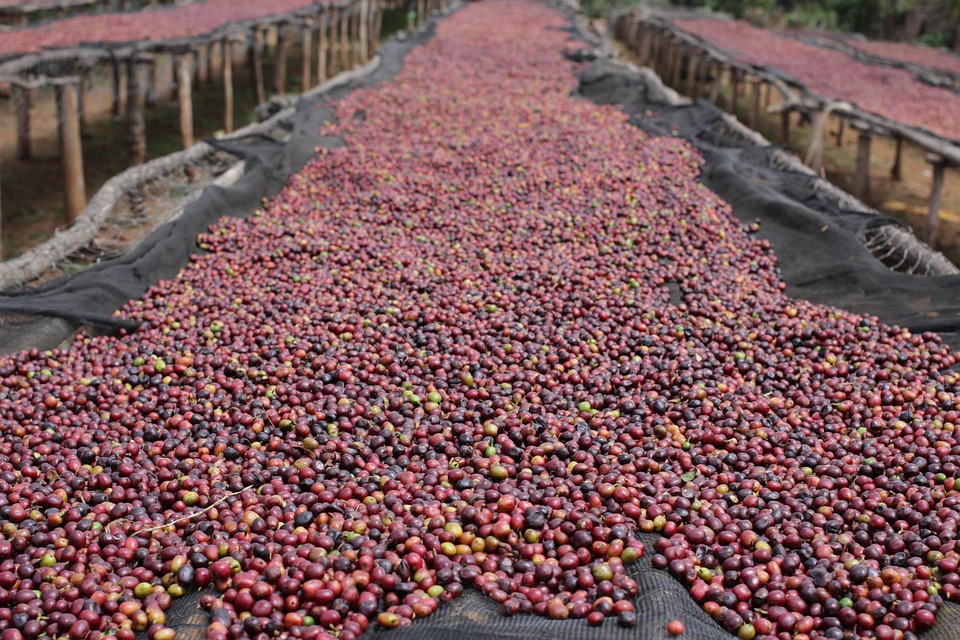
After harvesting, the coffee cherries are pulped to remove the outer skin. They are then fermented in tanks for 12 to 48 hours, a process that breaks down the mucilage surrounding the bean. Once fermentation is complete, the beans are thoroughly washed to remove any remaining mucilage. Finally, the coffee beans are sun-dried on raised beds, allowing for even airflow and consistent drying.
This meticulous processing contributes to the high quality and distinct flavor of Kenyan coffee, setting it apart from other coffee-producing regions.
The Role of Coffee Cooperatives
Coffee cooperatives play a vital role in the Kenyan coffee industry, particularly for smallholder farmers who make up the majority of coffee producers in the country. These cooperatives provide farmers with essential support, including access to resources, training, and market opportunities.
By pooling resources and working together, farmers can achieve economies of scale, improving their bargaining power and ensuring fair prices for their coffee. Additionally, cooperatives invest in infrastructure and quality control processes, ensuring that Kenyan coffee maintains its high standards on the global market.
Cooperatives also focus on sustainable farming practices, promoting environmental conservation and social responsibility. This commitment to sustainability has elevated the reputation of Kenyan coffee, making it a favorite among ethically conscious consumers.
The Economic and Social Impact of Coffee in Kenya
Coffee is a crucial component of Kenya’s economy, providing livelihoods for over 700,000 smallholder farmers and their families. The coffee sector significantly contributes to the country’s GDP and foreign exchange earnings, making it a vital industry for economic growth and development.
Beyond its economic impact, coffee has a profound social and cultural significance in Kenya. The coffee industry has played a role in fostering community cohesion and empowerment, particularly through the cooperative model. By working together, farmers have access to resources, education, and opportunities that contribute to improved living standards and social well-being.
Challenges Facing the Kenyan Coffee Industry
Despite its success, the Kenyan coffee industry faces several challenges that threaten its sustainability and growth. Climate change poses a significant risk, with unpredictable weather patterns affecting coffee production and quality. Rising temperatures and irregular rainfall can lead to decreased yields and increased susceptibility to pests and diseases.
Additionally, fluctuating global coffee prices and market volatility pose economic challenges for farmers, who often struggle to cover production costs. The industry also faces issues related to aging coffee trees, inadequate infrastructure, and limited access to finance.
To address these challenges, stakeholders in the Kenyan coffee industry are focusing on innovation, research, and development. By investing in climate-resilient coffee varieties, improving infrastructure, and promoting sustainable farming practices, the industry aims to secure a prosperous future for Kenyan coffee.
The Global Appreciation of Kenyan Coffee
Kenyan coffee enjoys a prestigious reputation on the global stage, known for its exceptional quality and unique flavor profile. Coffee enthusiasts and connoisseurs worldwide seek out Kenyan coffee for its bright acidity, complex flavors, and clean finish.
The Specialty Coffee Association of America (SCAA) often ranks Kenyan coffee among the top coffees globally, further cementing its status as a premium product. Specialty coffee roasters and cafes around the world proudly feature Kenyan coffee, highlighting its distinct characteristics and versatility.
Conclusion: The Future of Kenyan Coffee
As the global demand for specialty coffee continues to rise, Kenyan coffee remains a cherished and sought-after commodity. Its distinct flavor profile, combined with the dedication of smallholder farmers and cooperatives, ensures that Kenyan coffee maintains its place among the world’s finest.
Despite facing challenges, the Kenyan coffee industry is poised for growth and innovation. By embracing sustainable practices and investing in research and development, Kenya can continue to produce exceptional coffee that delights consumers and supports local communities.
Whether you’re a seasoned coffee aficionado or new to the world of specialty coffee, exploring the rich flavors of Kenyan coffee is a journey worth taking. From its bright acidity and complex notes to its cultural and economic significance, Kenyan coffee offers a unique and rewarding experience for all who appreciate the art and science of coffee.
#ChatGPT assisted in the creation of this article.



Post Comment