Discover the Rich Heritage of Ethiopian Coffee

The story of coffee is deeply intertwined with the culture, history, and identity of Ethiopia. Often hailed as the birthplace of coffee, Ethiopia’s rich heritage in coffee cultivation and consumption is a testament to its unique position in the world of coffee. The diverse regions, traditional practices, and the mythical origins of Ethiopian coffee offer a fascinating exploration into one of the world’s most beloved beverages.
The Mythical Origins of Coffee in Ethiopia
According to legend, coffee was discovered in Ethiopia by a goat herder named Kaldi in the 9th century. Kaldi noticed that his goats became unusually energetic after eating the red cherries from a certain tree. Intrigued, he tried the cherries himself and experienced a similar burst of energy. The story goes that Kaldi shared his discovery with a local monastery, where the monks began to experiment with the beans, leading to the creation of the first brewed coffee. While this tale may be more folklore than fact, it highlights the deep connection between Ethiopia and coffee.
From Wild Forests to Cultivated Groves
Coffee in Ethiopia is not just a crop; it is an integral part of the natural landscape. Ethiopia is home to the Coffea arabica plant, which grows wild in the lush highland forests. These forests, particularly in the regions of Kaffa and Buno, are believed to be the original home of the Arabica coffee plant. Over time, coffee cultivation spread from these wild forests to more controlled agricultural settings, while still maintaining a strong link to its natural roots.
The Unique Coffee Regions of Ethiopia
Ethiopia’s diverse topography and climate create a variety of microclimates, each producing distinct coffee profiles. The country is traditionally divided into several coffee-producing regions, each with its own unique characteristics.
Sidamo
Sidamo is one of the most famous coffee regions in Ethiopia, known for producing coffee with a rich, full-bodied flavor and bright acidity. The region’s high elevation, fertile soil, and ideal climate conditions contribute to the complex flavor profiles of Sidamo coffee. Many coffee enthusiasts appreciate Sidamo coffees for their floral and citrus notes, making them a popular choice among specialty coffee lovers.
Yirgacheffe
Located within the Sidamo region, Yirgacheffe is renowned for its exceptional quality coffee. Coffees from Yirgacheffe are often characterized by their distinct floral aroma and vibrant acidity, with tasting notes of jasmine, bergamot, and lemon. The region’s unique processing methods, which often involve traditional wet-processing techniques, further enhance these flavors, making Yirgacheffe one of the most sought-after coffee origins in the world.
Harrar
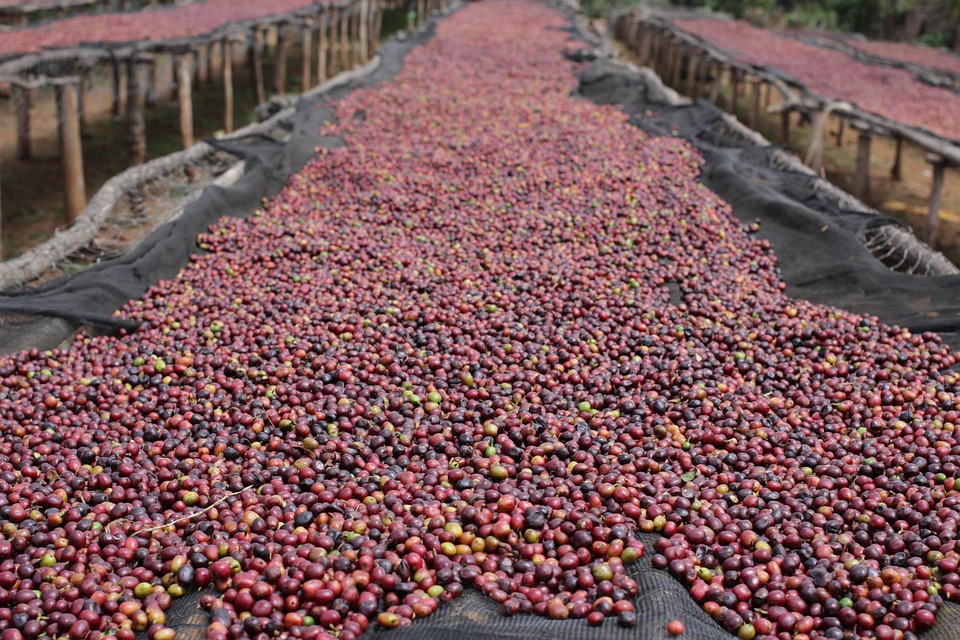
Harrar coffee is grown in the eastern highlands of Ethiopia and is known for its bold, wine-like complexity. The region’s dry processing method, where coffee cherries are dried in the sun with the beans still inside, imparts intense flavors of dark fruit, chocolate, and spice. Harrar coffee’s unique flavor profile makes it a favorite for those who enjoy rich, full-bodied coffees with a distinctive character.
Limu
The Limu region, situated in western Ethiopia, produces coffee that is well-balanced with a medium body and bright acidity. Coffees from Limu are often praised for their sweet and fruity notes, with hints of spice and wine. The region’s traditional processing methods and fertile growing conditions contribute to the high quality and distinctiveness of Limu coffee.
The Cultural Significance of Coffee in Ethiopian Society
Coffee is more than just a beverage in Ethiopia; it is a vital part of the social fabric and cultural heritage. The traditional Ethiopian coffee ceremony is a central aspect of Ethiopian hospitality and community life. This elaborate ritual involves the roasting, grinding, and brewing of coffee beans, typically performed by the woman of the house. The ceremony is a time for socializing, storytelling, and bonding with family and friends.
The Ethiopian Coffee Ceremony
The Ethiopian coffee ceremony is a symbol of respect and friendship, often performed three times a day – morning, noon, and night. The ceremony begins with the roasting of green coffee beans over an open flame. As the beans roast, their rich aroma fills the room, inviting guests to partake in the experience. Once roasted, the beans are ground using a traditional mortar and pestle.
The ground coffee is then brewed in a special pot called a “jebena,” a clay pot with a long neck and spout. The coffee is poured into small cups without handles, known as “sini,” and served to guests along with snacks such as popcorn or roasted barley. The ceremony typically consists of three rounds of coffee, known as “abol,” “tona,” and “baraka,” each with its own significance in the ritual.
The Impact of Ethiopian Coffee on the Global Stage
Ethiopia’s contribution to the global coffee industry is immense, with its coffees consistently ranking among the best in the world. The country’s unique varieties and traditional processing methods have influenced coffee production and consumption worldwide. Ethiopian coffee’s popularity has helped drive the specialty coffee movement, with coffee aficionados seeking out the distinctive flavors and aromas that only Ethiopian coffees can provide.
Sustainability and Fair Trade
As the demand for Ethiopian coffee continues to grow, efforts to promote sustainable and fair trade practices are increasingly important. Many Ethiopian coffee farmers are smallholders who rely on coffee as their main source of income. Organizations and cooperatives are working to ensure that these farmers receive fair compensation for their work, while also promoting environmentally friendly farming practices.
Fair trade initiatives and certifications have helped improve the livelihoods of Ethiopian coffee farmers by providing better access to markets and resources. These efforts not only support the economic well-being of farmers but also contribute to the preservation of Ethiopia’s rich coffee heritage.
The Future of Ethiopian Coffee
The future of Ethiopian coffee looks promising, with continued interest in the country’s unique coffee varieties and traditional cultivation methods. As the specialty coffee market expands, Ethiopian coffee is well-positioned to remain a leader in the industry, offering consumers an unparalleled coffee experience.
Innovation and Tradition
While Ethiopia is known for its time-honored coffee traditions, there is also room for innovation and adaptation. Young entrepreneurs and coffee producers are exploring new processing techniques and varietals, aiming to enhance the quality and diversity of Ethiopian coffee. These innovations, coupled with the deep-rooted cultural practices, ensure that Ethiopian coffee will continue to captivate coffee lovers around the world.
Challenges and Opportunities
Despite its success, the Ethiopian coffee industry faces challenges, including climate change, market fluctuations, and infrastructure limitations. Addressing these issues requires collaboration between the government, private sector, and international organizations. By investing in infrastructure, education, and sustainable practices, Ethiopia can continue to build on its coffee legacy and secure its place as a leader in the global coffee industry.
Conclusion
The rich heritage of Ethiopian coffee is a tapestry woven with history, culture, and flavor. From its mythical origins to its impact on the global stage, Ethiopian coffee is a testament to the country’s enduring influence in the world of coffee. As we savor each cup, we are reminded of the stories, traditions, and people behind this remarkable beverage. The journey of Ethiopian coffee is one of discovery, and it invites us all to explore and appreciate the vibrant and diverse world of coffee.
#ChatGPT assisted in the creation of this article.



Post Comment