Discover the Unique Flavor of Honey Process Coffee

Coffee enthusiasts continually seek out new flavors and methods to enhance their coffee experience. One such method that has captured the attention of coffee lovers around the world is the honey process. This unique processing method not only offers a distinct flavor profile but also represents a sustainable and innovative approach to coffee production. In this article, we will delve into the world of honey process coffee, exploring its origins, flavor characteristics, and its impact on the coffee industry.
The Origins of Honey Process Coffee
The honey process, also known as the pulped natural process, originated in Costa Rica during the late 20th century. As coffee producers sought to improve the quality and sustainability of their beans, they began experimenting with different processing techniques. The honey process emerged as a hybrid method that combines elements of both the traditional washed and natural processes, resulting in a coffee that retains the best characteristics of each.
Understanding the Honey Process
What Sets It Apart?
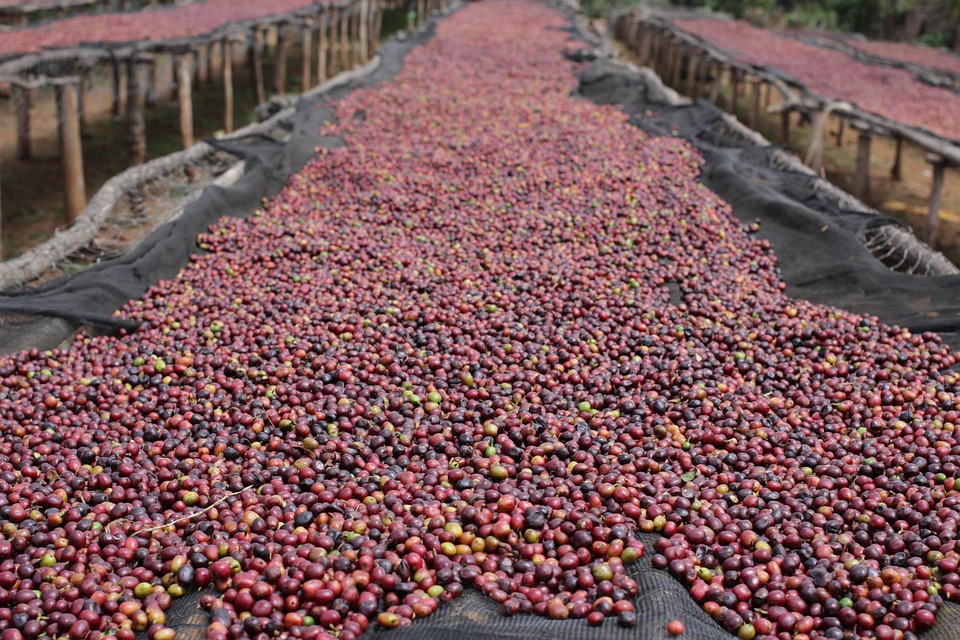
The honey process stands out due to its unique approach to removing the coffee cherry’s outer layers. In traditional washed processing, the cherries are depulped and then fermented to remove the mucilage before drying. In contrast, the honey process involves depulping the cherries but leaving some or all of the mucilage intact during drying. This sticky, sugary layer gives the process its “honey” name, although no actual honey is used.
Varieties of Honey Process
Depending on how much mucilage is left on the beans, the honey process can be further categorized into different types: white, yellow, red, and black honey. The level of mucilage left on the beans affects the drying time and, ultimately, the flavor profile:
- White Honey: Minimal mucilage is left on the beans, resulting in a cleaner, brighter cup with subtle sweetness.
- Yellow Honey: A moderate amount of mucilage is left, producing a balanced cup with enhanced sweetness and acidity.
- Red Honey: More mucilage is retained, leading to a richer, fuller-bodied coffee with pronounced sweetness.
- Black Honey: Almost all the mucilage is preserved, creating a deep, syrupy cup with intense flavors and complexity.
Flavor Profile of Honey Process Coffee
Sweetness and Complexity
One of the most notable characteristics of honey process coffee is its inherent sweetness. The retained mucilage contains natural sugars, which infuse the beans with a sweet and fruity flavor. This process also enhances the complexity of the cup, offering a layered taste experience with varying degrees of fruitiness, acidity, and body depending on the specific honey type.
Acidity and Body
Honey process coffee often displays a balanced acidity that complements its sweetness. The level of acidity can range from bright and citrusy in white honey coffees to more mellow and rounded in black honey varieties. Additionally, the body of honey process coffee tends to be fuller and more velvety compared to its washed counterparts, providing a satisfying mouthfeel.
The Impact of Honey Process Coffee on Sustainability
Environmental Benefits
The honey process has gained popularity not only for its flavor but also for its environmental benefits. The reduced use of water compared to the washed process makes it an eco-friendly option, particularly in regions where water scarcity is a concern. By minimizing water consumption, coffee producers can reduce their environmental footprint and contribute to more sustainable farming practices.
Economic Advantages for Farmers
For coffee farmers, the honey process can offer economic advantages. The unique flavor profile and growing demand for specialty coffees allow producers to command premium prices in the market. This increased revenue can improve the livelihoods of coffee-growing communities and encourage further investment in sustainable practices and quality improvements.
Regions Known for Honey Process Coffee
Costa Rica
As the birthplace of the honey process, Costa Rica remains a leading producer of honey process coffee. The country’s diverse microclimates and commitment to sustainable practices make it an ideal location for producing high-quality honey process beans. Costa Rican honey process coffees are renowned for their bright acidity, juicy fruit notes, and balanced sweetness.
Honduras
Honduras has emerged as a significant player in the honey process coffee scene. The country’s favorable climate and growing expertise in processing techniques have led to the production of exceptional honey process coffees. Honduran varieties often showcase vibrant fruit flavors, rich chocolate undertones, and a smooth, syrupy body.
El Salvador
El Salvador is another region where the honey process has thrived. The country’s volcanic soil and high-altitude coffee farms provide optimal conditions for producing unique and flavorful honey process coffees. Salvadoran honey process beans are known for their bright, citrusy acidity, floral aromas, and complex sweetness.
Exploring the Honey Process Coffee Experience
Brewing Tips
To fully appreciate the unique flavors of honey process coffee, it’s essential to use proper brewing techniques. Here are a few tips to enhance your coffee experience:
- Grind Size: Use a medium grind size to extract the full flavor potential of honey process beans.
- Water Temperature: Aim for a water temperature between 195°F and 205°F (90°C – 96°C) for optimal extraction.
- Brewing Methods: Experiment with different brewing methods such as pour-over, French press, or AeroPress to find your preferred flavor profile.
Pairing Suggestions
Honey process coffee’s sweetness and complexity make it a versatile pairing partner. Consider pairing it with complementary flavors to enhance your tasting experience:
- Chocolate: The rich, creamy texture of chocolate complements the sweet and fruity notes of honey process coffee.
- Citrus Fruits: The bright acidity of citrus fruits pairs well with the inherent acidity and sweetness of honey process beans.
- Nuts: The nutty flavors of almonds or hazelnuts provide a delightful contrast to the coffee’s sweetness and body.
Conclusion
The honey process has revolutionized the coffee industry, offering a unique and sustainable approach to coffee production. With its distinct flavor profile, environmental benefits, and economic advantages, honey process coffee continues to captivate the palates of coffee lovers worldwide. Whether you’re a seasoned coffee enthusiast or a curious newcomer, exploring the world of honey process coffee promises a rewarding and flavorful journey.
#ChatGPT assisted in the creation of this article.


Post Comment