Discover the World Coffee Map: Origins & Regions
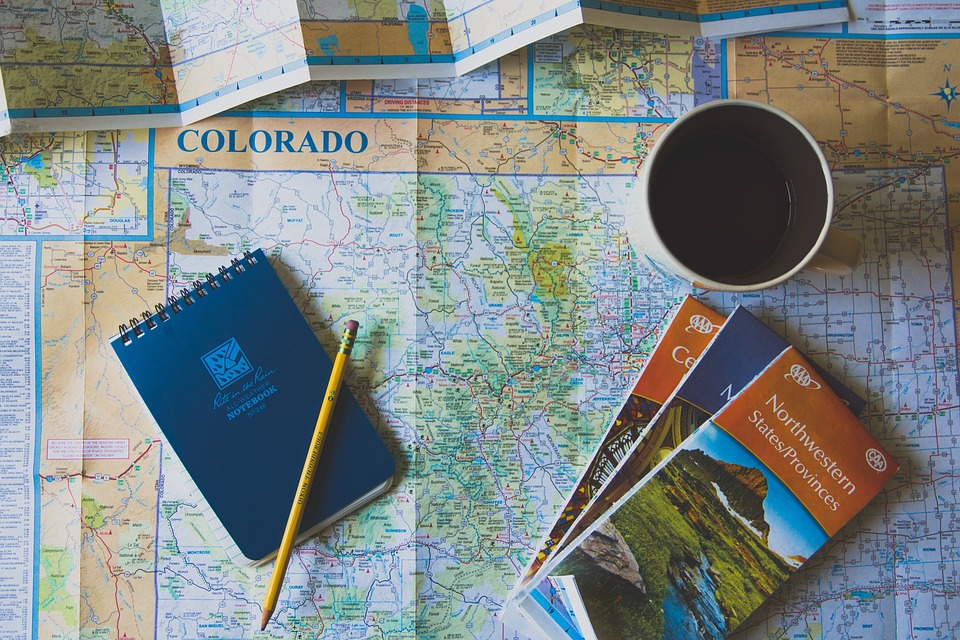
Coffee is more than just a beverage; it is a global phenomenon that connects cultures, landscapes, and traditions. The story of coffee is one of exploration and discovery, spanning continents and centuries. From the highlands of Ethiopia to the lush plantations of Brazil, the world coffee map is a tapestry of diverse origins and regions, each contributing unique flavors and characteristics to the coffee we savor. In this article, we will embark on a journey to explore the major coffee-producing regions of the world, understanding how geography, climate, and human ingenuity shape the beans that fuel our daily lives.
The Birthplace of Coffee: Ethiopia
Our journey begins in Ethiopia, widely regarded as the birthplace of coffee. According to legend, it was here that a goat herder named Kaldi discovered the energizing effects of coffee beans. Ethiopian coffee is characterized by its complex, fruity, and floral flavors, often with notes of berries and wine. The country’s diverse ecosystems, ranging from highland plateaus to dense forests, provide ideal conditions for growing Arabica coffee. Ethiopian coffee is typically processed using traditional methods, such as the natural (dry) process, which enhances its distinctive taste profile.
East Africa: The Heart of Arabica
Kenya
East Africa is a significant coffee-producing region, with Kenya being a standout contributor. Kenyan coffee is renowned for its bright acidity, full body, and notes of blackcurrant and citrus. The country’s high altitudes and volcanic soils create a perfect environment for growing high-quality Arabica beans. Kenyan coffee is often grown on smallholder farms, and the meticulous attention to detail during the processing stage ensures its exceptional quality.
Tanzania
Neighboring Tanzania also boasts a rich coffee tradition. Tanzanian coffee shares some similarities with its Kenyan counterpart, offering bright acidity and citrus flavors. The country’s coffee is often grown around the slopes of Mount Kilimanjaro and Mount Meru, where the favorable climate and fertile soil contribute to its unique taste.
Central and South America: A Coffee Powerhouse
Brazil
Moving to the Americas, Brazil stands as the largest coffee producer in the world. Brazilian coffee is known for its diverse flavor profiles, ranging from nutty and chocolatey to fruity and floral. The country’s vast coffee plantations benefit from a variety of microclimates, allowing for the cultivation of both Arabica and Robusta beans. Brazilian coffee is a staple in many blends, thanks to its balanced flavor and smooth body.
Colombia
Colombia is another coffee giant, celebrated for its consistently high-quality Arabica beans. Colombian coffee is often characterized by its mild acidity, medium body, and notes of caramel and nuts. The country’s mountainous terrain and favorable climate make it an ideal location for coffee cultivation. Colombian coffee farmers employ meticulous hand-picking and processing methods to ensure the superior quality of their beans.
Central America
Central American countries such as Guatemala, Costa Rica, and Honduras also contribute significantly to the global coffee market. Guatemalan coffee is known for its full body and rich chocolatey flavors, often with a hint of spice. Costa Rican coffee is prized for its bright acidity and clean, balanced taste. Honduras, while historically overshadowed by its neighbors, has emerged as a major player in the coffee industry, offering a diverse range of flavor profiles.
Asia: A Diverse Coffee Landscape
Indonesia
Asia’s coffee landscape is as varied as its cultures, with Indonesia being a prominent coffee producer. Indonesian coffee is often characterized by its earthy, spicy, and bold flavors. The country’s unique wet-hulled processing method, known as “Giling Basah,” contributes to its distinct taste. Sumatra, Java, and Sulawesi are among the most famous coffee-growing regions in Indonesia, each offering its unique flavor profile.
Vietnam
Vietnam, primarily known for its Robusta coffee, is one of the largest coffee producers globally. Vietnamese coffee is often used in espresso blends due to its strong, bold flavor and high caffeine content. The country’s coffee culture is vibrant, with traditional brewing methods such as “phin” filters contributing to its unique coffee experience.
Emerging Coffee Regions
In recent years, several emerging coffee regions have started to gain recognition for their quality beans. Countries like Rwanda, Burundi, and Myanmar have made significant strides in the global coffee market. Rwandan coffee is known for its bright acidity and fruity flavors, while Burundian coffee offers a similar profile with added floral notes. Myanmar has also started to produce specialty coffee, with unique flavors that reflect its diverse landscapes.
Sustainability and the Future of Coffee
As we explore the world coffee map, it is essential to consider the impact of climate change and sustainability on coffee production. Many coffee-growing regions face challenges such as rising temperatures, changing rainfall patterns, and disease outbreaks, which threaten the future of coffee cultivation. Efforts are being made to promote sustainable practices, support smallholder farmers, and develop resilient coffee varieties to ensure the longevity of the industry.
Conclusion
The world coffee map is a rich and diverse landscape, offering a myriad of flavors and experiences for coffee enthusiasts to explore. From the birthplace of coffee in Ethiopia to the bustling plantations of Brazil, each region contributes its unique character to the global coffee tapestry. As we savor our daily cup, let us remember the journey of the beans and the people who dedicate their lives to cultivating this beloved beverage. By appreciating the origins and regions of coffee, we can deepen our connection to the world and celebrate the rich cultural heritage that coffee represents.
#ChatGPT assisted in the creation of this article.



Post Comment