Discover Top Robusta Coffee Regions Worldwide
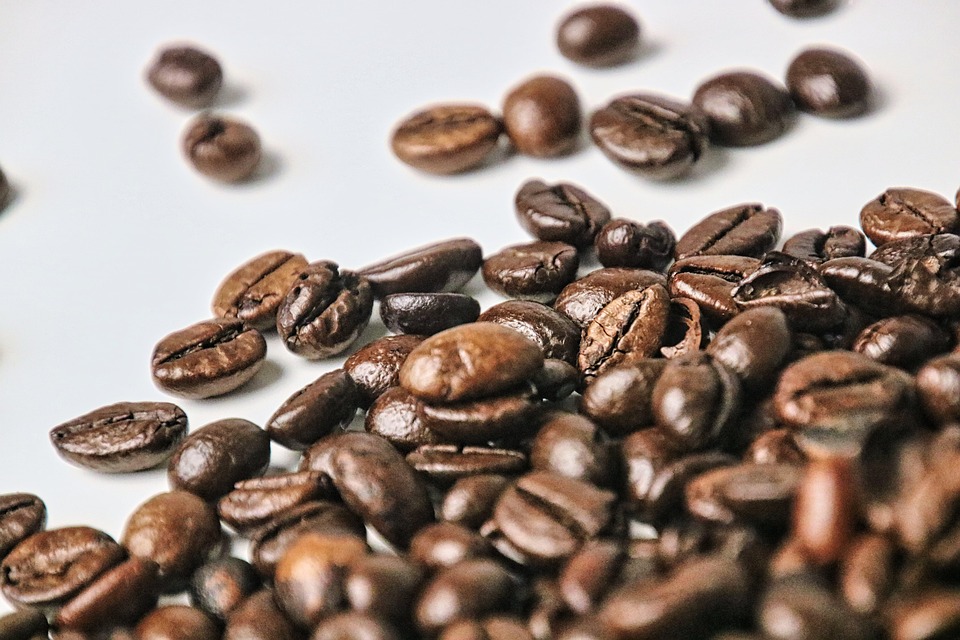
Coffee, one of the world’s most beloved beverages, comes in various types and flavors. Among the two primary species of coffee plants, Arabica and Robusta, the latter is often less celebrated despite its unique qualities and significant contribution to the global coffee market. Robusta coffee, known for its strong, bold flavor and higher caffeine content, plays a crucial role in blends and instant coffee production. In this article, we’ll explore the top Robusta coffee regions worldwide, delving into their distinctive attributes and contributions to the coffee industry.
Understanding Robusta Coffee
Before delving into the regions, it’s essential to understand what sets Robusta coffee apart. Scientifically known as Coffea canephora, Robusta is primarily grown in tropical climates at lower altitudes than Arabica. The beans are smaller and rounder, with a more robust, earthy flavor profile. Robusta’s high caffeine content makes it more resistant to pests and diseases, contributing to its hardiness and cultivation ease.
Vietnam: The Leading Robusta Producer
Vietnam is the largest producer of Robusta coffee in the world, contributing significantly to the global coffee market. The country’s coffee production is primarily concentrated in the Central Highlands, encompassing provinces like Dak Lak, Lam Dong, and Gia Lai. The region’s volcanic soil, combined with a suitable climate, provides ideal conditions for cultivating high-quality Robusta beans.
Vietnamese Robusta is known for its distinctive taste, characterized by a strong, nutty flavor with hints of chocolate. The coffee culture in Vietnam is deeply ingrained, with traditional brewing methods such as the “phin” filter producing a robust, aromatic cup of coffee. The country’s dedication to quality and innovation has propelled its status as a leading Robusta producer.
Brazil: A Diverse Coffee Landscape
Though Brazil is renowned for its Arabica coffee, it also plays a significant role in the Robusta market. Known locally as Conilon, Brazilian Robusta is primarily grown in the states of Espirito Santo, Rondonia, and Bahia. The diverse climate and fertile soil in these regions contribute to the production of robust, full-bodied Robusta beans.
Brazilian Robusta is often used in blends to add depth and richness, balancing the acidity of Arabica beans. The country’s investment in research and development has led to advancements in Robusta cultivation, improving both yield and quality. As a result, Brazilian Robusta is gaining recognition in both domestic and international markets.
Indonesia: The Archipelago of Flavors
Indonesia’s rich coffee heritage dates back to the 17th century, and the country remains one of the top coffee producers globally. Robusta cultivation is widespread across the Indonesian archipelago, with Sumatra, Java, and Sulawesi being key regions. The island nation’s diverse microclimates and volcanic soil contribute to the unique flavor profiles of Indonesian Robusta.
Indonesian Robusta is characterized by its earthy, smoky flavor with low acidity. The beans are often used in traditional coffee drinks like “kopi tubruk” and “kopi joss,” showcasing the country’s rich coffee culture. Indonesia’s commitment to sustainable farming practices and quality improvement has solidified its reputation as a top Robusta producer.
India: The Land of Spices and Coffee
India’s coffee production is predominantly centered in the Southern states of Karnataka, Kerala, and Tamil Nadu. While Arabica is widely grown, Robusta accounts for a significant portion of India’s coffee output. The country’s Robusta is known for its bold, full-bodied flavor with a slight spiciness, reflecting the rich biodiversity of the region.
Indian Robusta is often used in espresso blends, providing a robust base and enhancing crema production. The Indian coffee industry places a strong emphasis on sustainability and quality, with initiatives like the Coffee Board of India promoting research and development. As a result, Indian Robusta is highly sought after in both domestic and international markets.
Uganda: Africa’s Robusta Powerhouse
Uganda, located in East Africa, is one of the continent’s leading Robusta producers. The country’s coffee-growing regions are primarily in the central and western parts, with key areas including the Buganda region and the slopes of the Rwenzori Mountains. Uganda’s favorable climate and fertile soil create optimal conditions for growing high-quality Robusta beans.
Ugandan Robusta is renowned for its rich, full-bodied flavor with a hint of chocolate and fruitiness. The coffee industry in Uganda plays a vital role in the economy, providing livelihoods for millions of smallholder farmers. Efforts to improve quality and sustainability have positioned Uganda as a prominent player in the global Robusta market.
Côte d’Ivoire: The West African Coffee Hub
Côte d’Ivoire, or Ivory Coast, is one of the largest Robusta producers in Africa. The country’s coffee plantations are primarily located in the central and western regions, where the tropical climate and fertile soil are conducive to robust coffee cultivation. Ivorian Robusta is characterized by its bold, earthy flavor with low acidity.
The coffee industry in Côte d’Ivoire is a crucial part of the economy, supporting numerous smallholder farmers. Despite facing challenges such as political instability and fluctuating market prices, the country remains committed to improving the quality and sustainability of its Robusta production. As a result, Ivorian Robusta continues to be a staple in the global coffee market.
Conclusion
Robusta coffee, with its bold flavors and high caffeine content, plays an indispensable role in the global coffee industry. The regions highlighted in this article — Vietnam, Brazil, Indonesia, India, Uganda, and Côte d’Ivoire — are leading producers of Robusta, each offering unique contributions to the coffee world. These countries not only supply a significant portion of the world’s coffee but also enrich the global coffee culture with their distinct traditions and innovations.
As the demand for coffee continues to grow, the importance of sustainable and high-quality Robusta production becomes increasingly evident. By understanding the diverse origins and regions of Robusta coffee, consumers and industry professionals alike can appreciate the rich tapestry of flavors and cultures that this resilient coffee species offers. Whether enjoyed in a traditional brew or a modern espresso blend, Robusta coffee remains an integral part of the global coffee experience, captivating coffee lovers with its unique character and versatility.
#ChatGPT assisted in the creation of this article.



Post Comment