Discover Yemen’s Rich Coffee Heritage and Unique Flavors

Yemen, often referred to as the birthplace of coffee, boasts a rich and storied coffee heritage that has significantly influenced the global coffee culture. Nestled in the Arabian Peninsula, Yemen’s unique geographical conditions and historical significance play a pivotal role in shaping the distinct flavors of its coffee. This article delves into the intriguing history, cultivation practices, and the remarkable flavors that Yemen’s coffee offers to connoisseurs and casual drinkers alike.
The Historical Roots of Yemeni Coffee
Yemen’s relationship with coffee dates back to the 15th century when Sufi monks in the region began to cultivate and brew coffee to aid in their nightly prayers. The port city of Mocha, sitting on Yemen’s coast, became the world’s first coffee hub, exporting Yemeni coffee beans to the rest of the world. It was from Mocha that coffee spread to Europe, Asia, and beyond, making it a global phenomenon.
Coffee cultivation in Yemen is an age-old tradition passed down through generations. The methods employed by Yemeni farmers have remained largely unchanged over the centuries. This adherence to traditional practices is key to preserving the unique characteristics of Yemeni coffee.
Yemen’s Unique Coffee Cultivation
Yemen’s topography and climate are fundamental to its coffee cultivation. The country’s mountainous terrain provides the ideal altitude for growing coffee, with plantations often situated between 1,500 to 2,500 meters above sea level. The arid climate, combined with the country’s distinct terraced farming, results in coffee beans that possess a unique flavor profile.
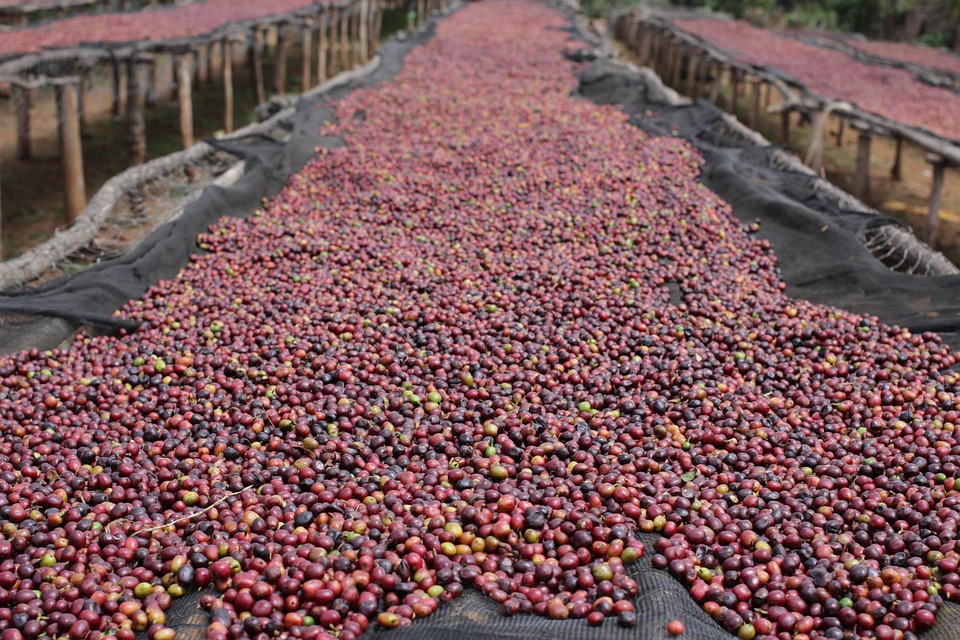
Yemeni farmers rely on age-old, organic techniques to grow their coffee. They utilize a dry processing method, where coffee cherries are sun-dried with the fruit still on the bean, imparting a deep, rich flavor. This process, though labor-intensive, is integral to the character of Yemeni coffee.
The Distinctive Flavors of Yemeni Coffee
Yemeni coffee is renowned for its distinctive flavors, which are unlike any other in the world. The beans are small and irregular in shape, but they pack a punch in terms of taste. Yemeni coffee is known for its complex flavor profile, characterized by notes of chocolate, wine, spice, and fruit.
One of the most celebrated varieties of Yemeni coffee is the Mocha coffee. This variety has a full-bodied taste with a unique combination of sweetness and acidity, offering hints of dark chocolate and berries. The flavors are often described as bold and exotic, making Yemeni coffee a favorite among coffee aficionados.
Challenges Facing Yemeni Coffee Production
Despite its rich heritage and unique flavors, Yemeni coffee faces numerous challenges that threaten its survival. Political instability, economic hardships, and climate change have significantly impacted coffee production in the region.
The ongoing conflict in Yemen has disrupted traditional trade routes and made it difficult for farmers to access international markets. Additionally, water scarcity is a major concern, as coffee plants require substantial amounts of water during cultivation. These challenges have led to a decline in coffee production, affecting both the livelihoods of Yemeni farmers and the availability of their coffee on the global market.
Efforts to Preserve Yemen’s Coffee Heritage
In response to these challenges, various international organizations and coffee enthusiasts are working to preserve Yemen’s coffee heritage. Initiatives aimed at supporting Yemeni farmers through fair trade practices, providing access to better farming resources, and promoting Yemeni coffee internationally are crucial to its survival.
Organizations like the Yemen Coffee Revolution and Qima Coffee are dedicated to reviving Yemen’s coffee industry. They work closely with local farmers to improve cultivation techniques, ensure fair compensation, and reintroduce the world to the exceptional flavors of Yemeni coffee.
Experiencing Yemeni Coffee: A Sensory Journey
For those fortunate enough to experience Yemeni coffee, it is truly a sensory journey. The aroma of freshly brewed Yemeni coffee is intoxicating, with its rich, earthy scent that hints at the flavors to come. The first sip reveals a complexity that is both robust and delicate, with layers of flavor that unfold on the palate.
Yemeni coffee is best enjoyed black, allowing its natural flavors to shine through without the interference of milk or sugar. As you savor each sip, you are transported to the terraced hillsides of Yemen, where generations of farmers have cultivated this extraordinary coffee with care and dedication.
Conclusion: The Legacy of Yemeni Coffee
Yemen’s coffee heritage is a testament to the resilience and ingenuity of its people. Despite facing numerous challenges, Yemen continues to produce some of the world’s most unique and flavorful coffees. The rich history, traditional cultivation methods, and distinctive taste of Yemeni coffee make it a true treasure in the world of coffee.
As the global coffee community works to support Yemeni farmers and preserve this invaluable heritage, there is hope that future generations will continue to enjoy the exceptional flavors of Yemeni coffee. By understanding and appreciating the rich legacy of Yemen’s coffee, we can contribute to its preservation and ensure that this remarkable tradition endures for years to come.
#ChatGPT assisted in the creation of this article.



Post Comment