Experience the Authentic Ethiopian Coffee Ceremony Ritual
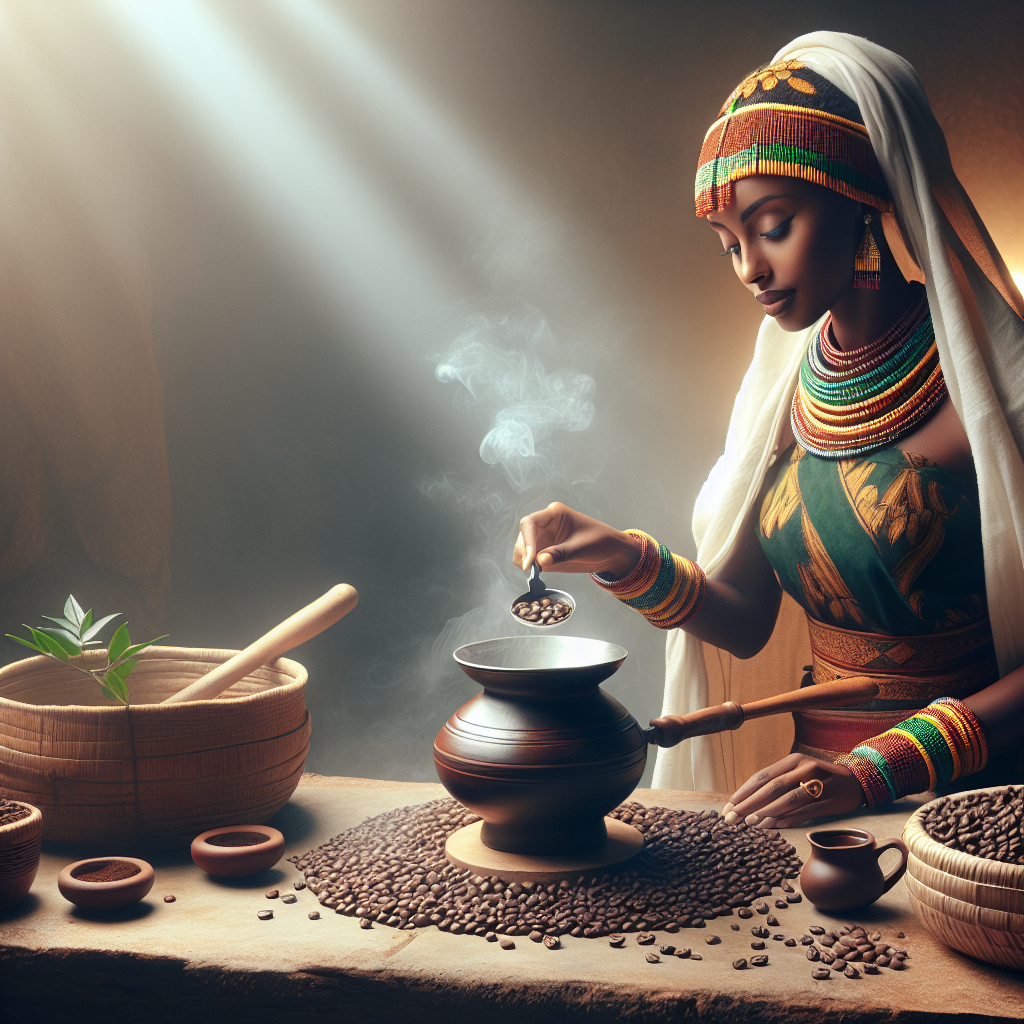
The Ethiopian Coffee Ceremony is more than just enjoying a cup of coffee; it is a profound cultural ritual that embodies the essence of Ethiopian life. As the birthplace of coffee, Ethiopia offers a unique perspective on this beverage that has become a global staple. The ceremony is an integral part of Ethiopian society, symbolizing community, friendship, and respect. Participating in an Ethiopian coffee ceremony is a sensory journey that engages the senses and the spirit, providing a genuine glimpse into Ethiopian culture and hospitality.
The Historical Significance of Coffee in Ethiopia
Ethiopia is often recognized as the cradle of coffee, where the Coffea arabica plant was first discovered. According to legend, coffee was discovered by an Ethiopian goat herder named Kaldi, who observed his goats frolicking energetically after eating berries from a particular tree. He shared his findings with local monks, who then used the berries to make a drink that helped them stay awake during long hours of prayer. Whether or not the legend is true, it underscores the deep-rooted relationship between Ethiopia and coffee. Coffee cultivation and consumption have been integral to Ethiopian culture for centuries, with the coffee ceremony being one of the most cherished traditions.
The Setting of the Coffee Ceremony
The Ethiopian coffee ceremony is typically conducted in a cozy setting, often within the home. A dedicated area is prepared with grass strewn on the floor to symbolize freshness and life. Incense, usually frankincense, is burned in a small clay pot, infusing the air with a calming fragrance that sets the tone for the ceremony. The host, traditionally a woman, dons a traditional Ethiopian dress, often white with colorful embroidery, reflecting the occasion’s significance.
The Ritual of Roasting Coffee Beans
The coffee ceremony begins with the careful roasting of green coffee beans. The host washes the beans to remove any impurities and then places them in a pan over an open flame. As the beans roast, they are continually stirred to ensure even roasting. Guests are invited to breathe in the rich aroma as the beans crackle and darken, a gesture that symbolizes inviting the spirits of the guests into the ceremony. Once roasted, the beans are ground using a mortar and pestle, releasing their oils and enhancing their aroma.
Brewing the Coffee
The ground coffee is then placed into a jebena, a traditional Ethiopian coffee pot made of clay with a long neck and a spout. Water is added, and the jebena is placed over the fire to bring the mixture to a gentle boil. The brewing process is deliberate and unhurried, allowing the flavors to develop fully. The coffee is brewed three times, with each brewing yielding a progressively milder cup. These three rounds, known as Abol, Tona, and Baraka, are symbolic, representing transformation, blessing, and community, respectively.
Serving the Coffee
Once brewed, the coffee is carefully poured from the jebena into small, handleless cups called sini. The pouring is done in a single, continuous stream, demonstrating the host’s skill and respect for the guests. Sugar is typically available for guests to sweeten their coffee to taste, though traditionalists may prefer to enjoy it unsweetened to savor its natural flavors. Alongside the coffee, snacks such as popcorn, peanuts, or traditional bread may be offered.
The Role of Conversation and Community
The Ethiopian coffee ceremony is as much about social interaction as it is about drinking coffee. It provides a space for conversation, storytelling, and community bonding. Guests are encouraged to engage in discussions that can range from personal anecdotes to community matters. The ceremony fosters a sense of unity and camaraderie, reinforcing bonds between family members, friends, and neighbors. It is a time to slow down, appreciate one another’s company, and reflect on shared experiences.
The Symbolism of the Coffee Ceremony
The Ethiopian coffee ceremony is rich with symbolism. The three rounds of coffee signify different stages of life and blessings. The first round, Abol, represents the beginning and is strong and potent, akin to the energy of youth. The second round, Tona, symbolizes maturity and the deepening of relationships. The final round, Baraka, signifies blessing and spiritual harmony, often accompanied by a prayer for peace and prosperity. The ceremony is a communal ritual that transcends the act of drinking coffee, symbolizing hospitality, respect, and the interconnectedness of life.
The Global Influence of Ethiopian Coffee Culture
The Ethiopian coffee ceremony has gained recognition beyond its borders, influencing coffee culture globally. The emphasis on quality, craftsmanship, and community has inspired coffee enthusiasts and baristas worldwide. Specialty coffee shops often pay homage to Ethiopian coffee traditions by highlighting Ethiopian coffee beans known for their distinctive flavors and aromas. The ritual of savoring coffee as an experience, rather than a mere beverage, is a testament to Ethiopia’s enduring influence on global coffee culture.
Experiencing an Ethiopian Coffee Ceremony
For those seeking an authentic cultural experience, participating in an Ethiopian coffee ceremony is a must. Many Ethiopian restaurants and cultural centers around the world offer visitors the opportunity to witness this time-honored tradition. Engaging with the ceremony offers a deeper appreciation of Ethiopian culture and hospitality. Travelers to Ethiopia will find that attending a coffee ceremony in its homeland provides a more immersive experience, connecting them to the roots of coffee culture.
Conclusion
The Ethiopian coffee ceremony is a celebration of coffee, culture, and community. It is a ritual steeped in tradition, offering a sensory experience that transcends the simple act of drinking coffee. By participating in this ceremony, one gains insight into Ethiopian values of hospitality, respect, and togetherness. Whether experienced in Ethiopia or abroad, the coffee ceremony is a reminder of the power of coffee to unite people and foster meaningful connections. In a world that often rushes past the simple pleasures, the Ethiopian coffee ceremony invites us to pause, savor, and appreciate the richness of life.
#ChatGPT assisted in the creation of this article.




Post Comment