Exploring Global Coffee Cultures: A Worldwide Journey
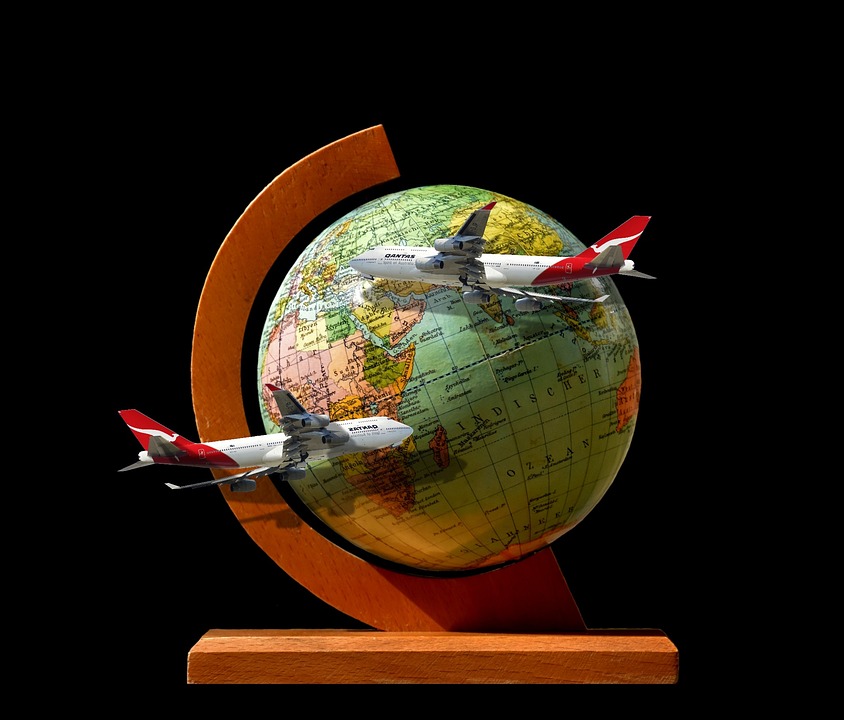
Coffee is not just a beverage; it is a cultural phenomenon that transcends borders and brings people together. From the bustling streets of Istanbul to the serene Italian countryside, the way people approach coffee reflects their traditions, values, and lifestyles. This article takes you on a journey around the world to explore diverse coffee cultures and traditions, highlighting how this beloved drink has shaped social customs and everyday life in different regions.
Italy: The Art of Espresso
Italy is synonymous with espresso, a strong and concentrated coffee that serves as the foundation for many coffee drinks. The Italian coffee culture revolves around simplicity and quality, where the focus is on the coffee itself rather than the additives. Italians typically enjoy their espresso standing at a bar, sipping it quickly before continuing with their day. The experience is communal, with locals gathering in cafes for a quick chat and a shot of espresso. The emphasis on quality over quantity is evident in the meticulous brewing process and the pride Italians take in their coffee.
Turkey: The Ritual of Turkish Coffee
Turkish coffee is more than just a drink; it is a ritual deeply ingrained in the country’s cultural fabric. Prepared using finely ground coffee beans, water, and sugar, Turkish coffee is brewed in a special pot called a cezve. The brewing process is slow and deliberate, resulting in a rich, thick coffee with a foam layer on top. Once prepared, the coffee is served in small cups and accompanied by a glass of water and a sweet treat, like Turkish delight. The ritual often culminates in a fortune-telling session, where the drinker’s future is interpreted from the coffee grounds left in the cup.
Ethiopia: The Birthplace of Coffee
Ethiopia is widely regarded as the birthplace of coffee, and its coffee culture is a testament to the drink’s historical and cultural significance. The Ethiopian coffee ceremony is a time-honored tradition that involves roasting green coffee beans over an open flame, grinding them by hand, and brewing the coffee in a special pot called a jebena. The ceremony is a social event, bringing families and communities together to enjoy the rich, aromatic coffee and engage in conversation. It is a symbol of hospitality and respect, reflecting the deep-rooted connection Ethiopians have with coffee.
Japan: The Harmony of Kissaten Culture
In Japan, coffee culture is a blend of tradition and modernity, with a particular emphasis on precision and aesthetics. The kissaten, or traditional Japanese coffee house, is a testament to this unique approach. These establishments focus on slow-brewed coffee, often prepared using siphon methods that highlight the delicate flavors of the beans. The atmosphere in a kissaten is serene and contemplative, offering a quiet space for patrons to enjoy their coffee and reflect. This harmony between the preparation and consumption of coffee is a reflection of Japan’s broader cultural values.
Brazil: The Coffee Powerhouse
As one of the largest coffee producers in the world, Brazil’s coffee culture is vibrant and diverse. Coffee is an integral part of everyday life, with Brazilians consuming it throughout the day in various forms. The cafezinho, a small and strong coffee often served sweetened, is a staple across the country. Social gatherings frequently revolve around coffee, with friends and family coming together to share stories and enjoy each other’s company over a cup. The Brazilian approach to coffee is relaxed and inclusive, reflecting the country’s warm and hospitable nature.
Vietnam: The Unique Experience of Vietnamese Coffee
Vietnamese coffee is known for its unique preparation and flavors, often incorporating sweetened condensed milk for a rich and creamy taste. The traditional Vietnamese drip filter, or phin, is used to brew the coffee, resulting in a slow drip that enhances the coffee’s robust flavors. One popular variation is cà phê sữa đá, or iced coffee with condensed milk, offering a refreshing twist on the traditional drink. Coffee shops in Vietnam are lively and bustling, serving as popular gathering spots for socializing and relaxation.
Sweden: The Fika Tradition
In Sweden, coffee is more than just a drink; it is an essential part of the cultural concept known as “fika.” Fika is a daily ritual that involves taking a break to enjoy coffee and pastries, often in the company of friends or colleagues. It is a time to slow down, connect with others, and recharge. Swedish coffee culture places a strong emphasis on community and balance, with fika serving as a reminder of the importance of taking time for oneself and fostering relationships.
United States: The Rise of the Coffeehouse
The United States has a diverse and dynamic coffee culture, heavily influenced by the global coffee movement. The rise of the coffeehouse in America has transformed the way people consume and experience coffee, with specialty cafes offering a wide range of brewing methods and unique flavor profiles. American coffee culture is characterized by innovation and experimentation, with a focus on sustainability and ethical sourcing. The coffeehouse serves as a social hub, providing a space for community interaction and creative expression.
Conclusion
Coffee is a universal language that transcends cultural boundaries, yet each region has its own unique way of celebrating this beloved beverage. From the precise art of espresso in Italy to the social ritual of fika in Sweden, the diverse coffee cultures around the world offer a glimpse into the traditions and values of different societies. As we journey through these global coffee cultures, we gain a deeper appreciation for the role coffee plays in bringing people together and enriching our daily lives.
#ChatGPT assisted in the creation of this article.



Post Comment