Exploring Global Social Coffee Drinking Traditions

Coffee is more than a beverage; it’s a cultural cornerstone that has fostered community and conversation for centuries. Across the globe, coffee drinking traditions reflect the unique histories, values, and social norms of different cultures. This article delves into the diverse world of coffee drinking traditions, offering a glimpse into how this beloved beverage brings people together in various corners of the world.
The Birthplace of Coffee: Ethiopia
Ethiopia is often heralded as the birthplace of coffee, and its coffee culture is both rich and ceremonial. The Ethiopian coffee ceremony is a social event that can last several hours, highlighting the importance of hospitality. During the ceremony, green coffee beans are roasted over an open flame, ground by hand, and brewed in a traditional pot called a “jebena.” The ritual involves multiple rounds of coffee, usually three, each serving symbolizing a deeper connection between the participants.
Italy: The Espresso Experience
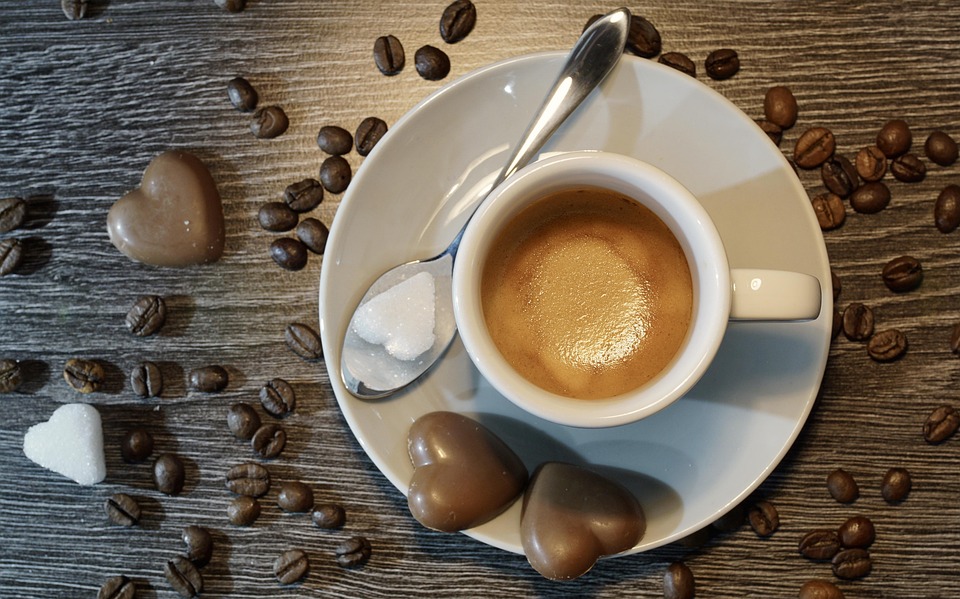
In Italy, coffee is synonymous with espresso, a concentrated shot of coffee that has become a daily ritual for many Italians. Coffee drinking in Italy is more than just a morning pick-me-up; it’s a social activity often enjoyed standing at a bar. Italians have specific times and ways to drink coffee—cappuccinos are typically reserved for the morning, while espressos can be enjoyed throughout the day. This ritual underscores the Italian appreciation for simplicity and quality, where each cup is an opportunity for connection and conversation.
Turkey: A Tradition of Fortune Telling
Turkish coffee is a centuries-old tradition that has been recognized by UNESCO as an Intangible Cultural Heritage of Humanity. Prepared in a special pot called a “cezve,” Turkish coffee is known for its strong flavor and thick foam. Beyond its taste, Turkish coffee plays a significant role in social gatherings, often followed by the practice of tasseography—reading fortunes from the coffee grounds left in the cup. This tradition underscores the Turkish emphasis on hospitality, conversation, and the mystical aspects of coffee drinking.
Middle Eastern Coffee Traditions
In the Middle East, coffee is often brewed using traditional methods and is deeply intertwined with hospitality. Arabic coffee, known as “qahwa,” is typically flavored with cardamom and served in small cups. It is a symbol of generosity and is often offered to guests as a sign of respect. The ritual of serving coffee in the Middle East is steeped in etiquette, with specific customs regarding the order of service and the number of cups consumed, reflecting the region’s deep-rooted social values.
Japan: The Art of Coffee Brewing
Japan’s coffee culture is a blend of tradition and innovation, where meticulous brewing methods are celebrated. The Japanese have embraced coffee with a unique flair, emphasizing precision and aesthetics. From the artful siphon brewing technique to the serene ambiance of kissaten (traditional coffee houses), Japan’s coffee culture is an expression of the country’s appreciation for craftsmanship and attention to detail. Coffee in Japan is both a solitary experience and a social one, where people gather to appreciate the nuances of each brew.
Café Culture in France
In France, coffee is an integral part of the café culture that the country is famous for. French cafés are social hubs where people gather to enjoy a coffee, often paired with a pastry, while engaging in lively conversation or simply watching the world go by. The French approach to coffee is one of leisure and reflection, where the act of drinking coffee is intertwined with the art of conversation and the enjoyment of one’s surroundings. This tradition highlights the French value of savoring life’s simple pleasures.
Scandinavia: A Hygge Moment
In Scandinavian countries, coffee is more than a beverage; it’s a moment of “hygge,” a Danish concept that embodies coziness and well-being. Scandinavians are among the top coffee consumers globally, and coffee breaks, known as “fika” in Sweden, are cherished daily rituals. Fika is not just about drinking coffee; it’s an opportunity to pause, connect with others, and indulge in sweet treats. This tradition emphasizes the importance of taking time to appreciate the present moment and nurture social bonds.
Brazil: The Social Brew
As the largest coffee producer in the world, Brazil’s coffee culture is both diverse and deeply rooted in social interaction. Coffee is a staple in Brazilian daily life, enjoyed throughout the day and often shared with friends and family. In Brazil, coffee is typically brewed using a filter method and served in small cups known as “cafezinho.” The Brazilian coffee tradition is one of warmth and inclusivity, reflecting the nation’s spirit of hospitality and community.
Coffee Houses in Austria
Vienna’s coffee houses are an iconic part of Austrian culture, recognized by UNESCO as an Intangible Cultural Heritage. These establishments are more than just places to drink coffee; they are venues for intellectual exchange, artistic expression, and social interaction. Viennese coffee houses are known for their elegant interiors, extensive coffee menus, and leisurely atmosphere, where patrons can linger for hours. This tradition celebrates the Austrian love for conversation, creativity, and the finer things in life.
Conclusion
Exploring global social coffee drinking traditions reveals a tapestry of cultural diversity and shared human experiences. From the ceremonial rituals of Ethiopia to the leisurely café culture of France, coffee serves as a universal connector, bringing people together across different landscapes and lifestyles. Each tradition adds a unique flavor to the global coffee culture, illustrating how this beloved beverage transcends borders and unites us in our shared appreciation for community, conversation, and the simple joy of a good cup of coffee.
#ChatGPT assisted in the creation of this article.



Post Comment