Exploring Middle Eastern Coffee: Traditions and Flavors
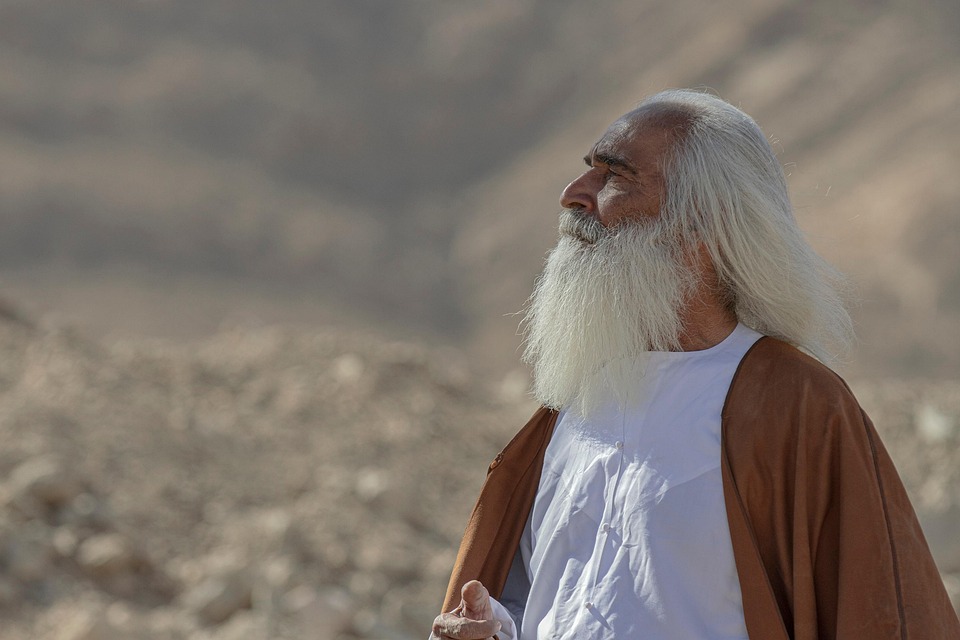
The aroma of freshly brewed coffee is a universal symbol of comfort and hospitality, but its significance is especially profound in the Middle East. Coffee is more than just a morning ritual; it is a cornerstone of social and cultural life. The rich flavors and traditions surrounding Middle Eastern coffee offer a fascinating glimpse into the region’s history and its role in shaping global coffee culture. This article delves into the traditions and flavors of Middle Eastern coffee, exploring its unique preparation methods, cultural significance, and the diversity of its flavors.
The Origins of Coffee in the Middle East
Coffee’s journey began in the Middle East, with its origins traced back to the ancient coffee forests of Ethiopia. It was in Yemen, however, where coffee cultivation and trade truly flourished. By the 15th century, the port city of Mocha in Yemen had become a key trading hub, exporting coffee to Persia, Egypt, and Turkey. The Arabian Peninsula’s embrace of coffee laid the foundation for its spread across the Middle East and beyond, ultimately transforming it into one of the world’s most beloved beverages.
The Cultural Significance of Coffee
In the Middle East, coffee is deeply interwoven with social customs and cultural traditions. It is a symbol of hospitality and generosity, often served to guests as a gesture of welcome and respect. The act of sharing coffee is a communal experience, fostering connections and facilitating conversation. In many Middle Eastern cultures, coffee ceremonies are elaborate rituals, reflecting the importance of patience, respect, and tradition.
Coffee Houses: The Birthplace of Conversation
The coffee house, or qahveh khaneh, emerged as a social institution in the Middle East during the 16th century. These establishments became centers of intellectual exchange, where people gathered to discuss news, politics, and literature. The coffee house culture played a crucial role in the social and political life of the region, influencing public opinion and fostering a sense of community.
The Unique Preparation Methods of Middle Eastern Coffee
Middle Eastern coffee is renowned for its distinctive preparation methods, each with its own unique characteristics. The traditional methods emphasize the importance of patience and skill, resulting in a brew that is both rich and aromatic.
Turkish Coffee
Turkish coffee, known for its intense flavor and thick texture, is one of the most famous styles of Middle Eastern coffee. It is prepared using finely ground coffee beans, which are simmered in water within a small pot called a cezve or ibrik. The coffee is brewed slowly to extract the full range of flavors, and is often sweetened with sugar and flavored with cardamom. The result is a strong, aromatic coffee with a thick layer of foam on top.
Arabic Coffee
Arabic coffee, or qahwa, is a staple in many Middle Eastern households. It is typically made with lightly roasted coffee beans, giving it a lighter color and a more subtle flavor compared to other styles. Arabic coffee is often spiced with cardamom and sometimes saffron, and is traditionally served in small cups called finjan. The preparation of Arabic coffee is a ritualistic process, with specific steps and customs that vary between regions and families.
Saudi Arabian Gahwa
In Saudi Arabia, gahwa holds a special place in the cultural landscape. It is often prepared with green coffee beans, cardamom, and other spices, resulting in a unique taste that is both earthy and aromatic. Gahwa is traditionally served with dates, balancing the bitterness of the coffee with the sweetness of the fruit. The ritual of serving gahwa is an integral part of Saudi hospitality, reflecting the values of generosity and respect.
The Diverse Flavors of Middle Eastern Coffee
The flavors of Middle Eastern coffee are as diverse as the region itself, influenced by local ingredients, traditions, and preferences.
Spices and Aromatics
One of the defining characteristics of Middle Eastern coffee is the use of spices and aromatics. Cardamom is the most common addition, imparting a warm, slightly sweet flavor that complements the bitterness of the coffee. Other spices such as cinnamon, cloves, and nutmeg are also used, adding complexity and depth to the brew. Saffron, a prized spice in Middle Eastern cuisine, is sometimes added for its distinctive aroma and vibrant color.
Roasting Techniques
The roasting of coffee beans is another factor that contributes to the unique flavors of Middle Eastern coffee. While some regions prefer a light roast, which preserves the natural acidity and floral notes of the beans, others favor a darker roast for a more robust and intense flavor. The choice of roast is often influenced by local tastes and traditions, resulting in a wide range of flavor profiles across the region.
The Role of Coffee in Modern Middle Eastern Society
Today, coffee continues to play a vital role in Middle Eastern society, bridging the gap between tradition and modernity. In urban areas, contemporary coffee shops have emerged, offering a blend of traditional and modern coffee experiences. These establishments cater to a diverse clientele, from young professionals to tourists, and serve as a testament to the enduring appeal of coffee culture in the region.
Innovation and Tradition
While the traditional preparation methods remain popular, there is also a growing trend towards innovation in the Middle Eastern coffee scene. Specialty coffee shops are experimenting with new brewing techniques, incorporating international influences while staying true to local flavors and traditions. This fusion of old and new reflects the dynamic nature of Middle Eastern coffee culture, continually evolving while honoring its rich heritage.
Conclusion
Exploring Middle Eastern coffee is a journey through time and tradition, revealing a rich tapestry of flavors and customs that have shaped the region’s cultural identity. From the bustling coffee houses of Istanbul to the serene hospitality of Saudi Arabian homes, coffee is a unifying force that transcends borders and generations. As the global appreciation for coffee continues to grow, the unique traditions and flavors of Middle Eastern coffee offer a valuable contribution to the world of coffee culture, inviting us to savor not just the taste, but the stories and connections that come with each cup.
#ChatGPT assisted in the creation of this article.




Post Comment