Exploring the Rich Vietnamese Coffee Culture
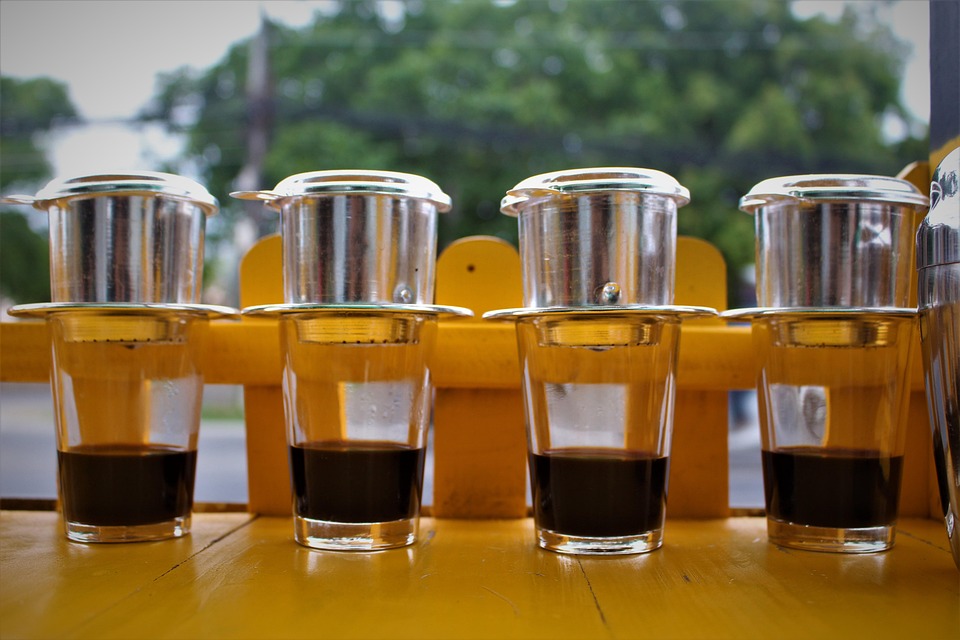
Vietnam, a Southeast Asian nation known for its lush landscapes and vibrant street life, boasts a coffee culture that is both rich and unique. Coffee is not just a beverage in Vietnam; it’s a way of life, deeply woven into the fabric of daily routines and social interactions. From the bustling streets of Hanoi to the serene highlands of Da Lat, Vietnamese coffee culture offers a diverse array of flavors and experiences. This article delves into the history, traditions, and unique practices that define Vietnamese coffee culture.
The Historical Roots of Vietnamese Coffee
Coffee was introduced to Vietnam by French colonists in the 19th century, quickly taking root in the fertile soils of the Central Highlands. Today, Vietnam is the world’s second-largest coffee producer, with robusta beans being the predominant variety. The French influence is still evident in the traditional brewing methods and flavors, yet over time, Vietnamese coffee has evolved into a distinct cultural phenomenon.
The Art of Vietnamese Coffee Brewing
Phin Filter: The Heart of Vietnamese Coffee
The phin filter, a small, metal drip filter, is central to Vietnamese coffee brewing. This simple device allows for a slow drip, producing a strong and aromatic brew. The process is almost meditative, requiring patience as the water slowly seeps through the coffee grounds, resulting in a rich and flavorful cup.
Unique Vietnamese Coffee Varieties
Vietnamese coffee is known for its unique blends and flavors. One of the most famous is Cà phê sữa đá, a refreshing iced coffee served with sweetened condensed milk. For the adventurous, Cà phê trứng, or egg coffee, offers a creamy, dessert-like experience with a whipped egg yolk topping. These innovative combinations showcase the creativity and adaptability of Vietnamese coffee culture.
Coffee as a Social Ritual
In Vietnam, coffee is more than just a morning pick-me-up; it’s a social ritual that fosters community and connection. Coffee shops, or quán cà phê, are cultural hubs where friends gather, business deals are made, and ideas are exchanged. These spaces range from traditional sidewalk cafes to modern, air-conditioned lounges, each offering a unique atmosphere and experience.
The Role of Coffee in Daily Life
Vietnamese people often start their day with a cup of coffee, savoring the strong, bold flavors as they plan their day. Coffee breaks throughout the day provide moments of respite and reflection, punctuating the hustle and bustle of daily life. Whether enjoyed alone or with company, coffee is a cherished part of the Vietnamese routine.
Regional Differences in Vietnamese Coffee Culture
The Highlands: The Birthplace of Vietnamese Coffee
The Central Highlands, particularly the province of Dak Lak, is the heart of Vietnam’s coffee production. The region’s climate and soil conditions are ideal for growing robusta beans, which thrive in the high-altitude environment. Visiting a coffee plantation offers a glimpse into the meticulous process of growing, harvesting, and processing coffee, highlighting the labor and expertise involved in producing each cup.
Urban vs. Rural Coffee Experiences
In urban areas like Ho Chi Minh City and Hanoi, coffee culture is fast-paced and innovative, with cafes experimenting with new brewing techniques and flavors. In contrast, rural regions offer a more traditional experience, with coffee often brewed and enjoyed in homes or simple roadside stalls. These regional variations reflect the diverse and dynamic nature of Vietnamese coffee culture.
Challenges and Opportunities in Vietnamese Coffee Industry
As the global demand for coffee continues to grow, Vietnam faces both challenges and opportunities. Climate change poses a significant threat to coffee production, with rising temperatures and unpredictable weather patterns affecting crop yields. However, there is also a growing interest in sustainable and ethical coffee practices, with many Vietnamese producers investing in organic and fair-trade certifications.
Innovations and Trends
The Vietnamese coffee industry is embracing innovation, with a surge in specialty coffee shops and an increased focus on quality over quantity. The rise of local coffee chains, such as Trung Nguyên and Highlands Coffee, showcases a blend of traditional and modern approaches, appealing to both local and international coffee enthusiasts.
Conclusion
Vietnamese coffee culture is a vibrant tapestry of history, tradition, and innovation. From its colonial roots to its modern-day evolution, coffee in Vietnam is a testament to the country’s resilience and creativity. As you sip your next cup of Vietnamese coffee, take a moment to appreciate the rich cultural heritage and the countless hands that have contributed to its journey from bean to cup. Whether enjoyed in a bustling city café or a tranquil mountain retreat, Vietnamese coffee offers a unique experience that continues to captivate and inspire.
#ChatGPT assisted in the creation of this article.



Post Comment