Exploring Vibrant Street Coffee Cultures Worldwide
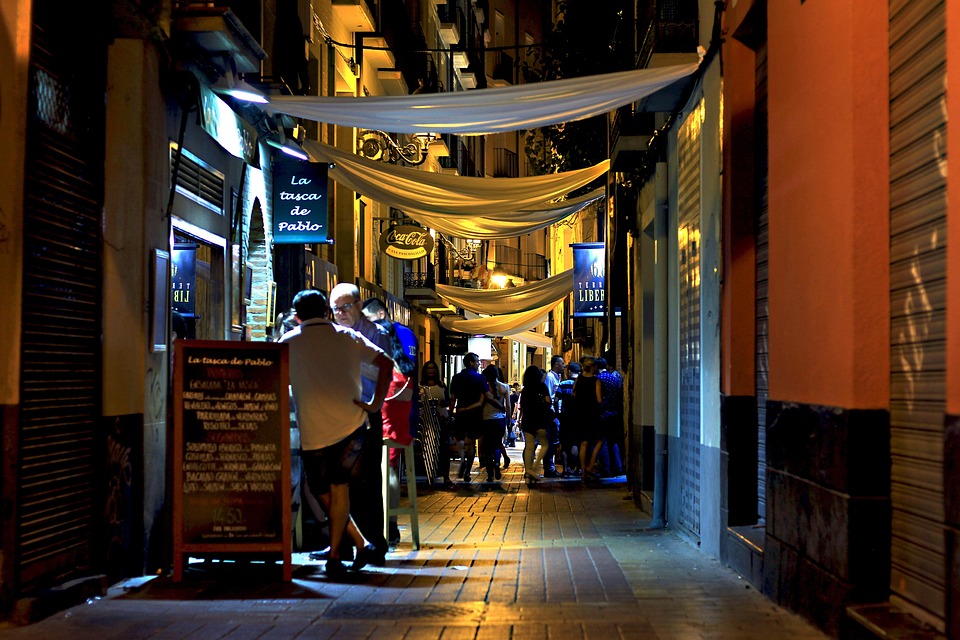
Coffee is more than just a beverage; it’s a cultural experience that transcends borders and unites people worldwide. Street coffee culture, in particular, offers a fascinating insight into the daily lives and social customs of different nations. From the bustling avenues of Italy to the serene streets of Japan, street coffee culture is as diverse as it is unifying. This article explores some of the most vibrant street coffee cultures around the globe, celebrating the unique traditions and flavors that each has to offer.
Italy: The Espresso Experience
No discussion about street coffee culture would be complete without mentioning Italy. The Italian espresso is not just a drink; it’s an institution. In Italy, coffee bars are ubiquitous, serving as vital social hubs where people gather throughout the day. Italians typically enjoy their espresso while standing at the bar, as this is not just about the drink but the shared experience.
The Italian coffee ritual is marked by brevity and intensity. A quick, robust shot of espresso is the preferred choice, often consumed in a matter of minutes before moving on with the day. The flavors are strong and bold, reflecting the passionate culture of Italy. This tradition of quick, concentrated coffee moments has influenced coffee culture worldwide, setting a standard for quality and taste.
Turkey: A Historical Brew
Turkey offers a coffee culture with deep historical roots. Turkish coffee is not just a drink but a ceremonial experience that dates back centuries. It’s renowned for its unique preparation method, where finely ground coffee is simmered in a special pot called a cezve. The result is a rich, aromatic coffee served in small cups, often accompanied by a sweet treat like lokum (Turkish delight).
In Turkish culture, coffee is a symbol of hospitality and friendship. It’s common to offer guests a cup of Turkish coffee as a gesture of welcome. The coffee grounds left at the bottom of the cup are often used for fortune-telling, known as tasseography, adding a mystical element to the coffee-drinking experience.
Ethiopia: The Origin of Coffee
As the birthplace of coffee, Ethiopia boasts a rich and deeply rooted coffee culture. The Ethiopian coffee ceremony is a time-honored tradition that plays a central role in the country’s social and cultural life. This elaborate ritual involves roasting raw coffee beans, grinding them, and brewing the coffee in a traditional pot called a jebena.
The coffee ceremony is a social event that brings people together to share news, stories, and companionship. It’s a process that can take several hours, reflecting the Ethiopian belief in the importance of patience and connection. The coffee is typically served with popcorn or bread, highlighting the communal nature of the experience.
Vietnam: The Iced Coffee Revolution
Vietnam’s street coffee culture is a vibrant fusion of traditional and modern influences. The country’s signature coffee, cà phê sữa đá, is a refreshing iced coffee made with strong, dark-roasted coffee and sweetened condensed milk. This unique blend offers a perfect balance of bitterness and sweetness, ideal for the country’s tropical climate.
Street vendors and small coffee shops are a common sight in Vietnam, where coffee is often enjoyed leisurely at low plastic tables and chairs along bustling streets. The laid-back and social environment reflects the Vietnamese approach to life, where coffee is not just a drink but a way to connect with others and take a break from the hustle and bustle.
Japan: The Art of Precision
Japan’s coffee culture is characterized by precision, artistry, and meticulous attention to detail. While tea has traditionally been the beverage of choice, coffee has gained immense popularity in recent decades. Japanese street coffee culture is known for its pour-over coffee, where skilled baristas carefully craft each cup to perfection.
In Japan, the coffee experience is about quality over quantity. Coffee shops often feature minimalist designs and quiet atmospheres, providing a serene space for contemplation and relaxation. The focus on craftsmanship and the aesthetic presentation of coffee reflect the Japanese cultural values of harmony and balance.
Brazil: The Coffee Powerhouse
As one of the largest coffee producers in the world, Brazil has a vibrant street coffee culture that reflects its status as a coffee powerhouse. The Brazilian cafezinho, a small, strong cup of coffee, is a staple of daily life. It’s often enjoyed throughout the day, providing a quick pick-me-up and a moment to pause and socialize.
In Brazil, coffee is more than just a beverage; it’s an integral part of the national identity. Street coffee vendors are a common sight, serving coffee to busy workers and leisurely passersby alike. The Brazilian approach to coffee is relaxed and convivial, emphasizing the social aspect of coffee drinking.
Colombia: The Coffee Triangle
Colombia’s coffee culture is deeply intertwined with its rich coffee-growing heritage. The country’s coffee triangle, known as the “Eje Cafetero,” is renowned for producing some of the finest coffee in the world. Colombian street coffee culture is characterized by the tinto, a small cup of black coffee that is a ubiquitous part of daily life.
The tinto is often sold by street vendors or in small neighborhood cafes, where locals gather to chat and catch up on the day’s events. Colombian coffee culture emphasizes community and connection, with coffee serving as a backdrop for social interaction and shared experiences.
Conclusion: A Global Bond
Exploring street coffee cultures worldwide reveals a rich tapestry of traditions and flavors that highlight the universal appeal of coffee. Whether it’s the quick espresso shots of Italy, the ceremonial brews of Ethiopia, or the iced delights of Vietnam, each culture offers a unique perspective on the art of coffee. Despite the differences, the common thread that unites these diverse traditions is the social and cultural significance of coffee as a medium for connection and community.
As coffee enthusiasts continue to explore and appreciate the myriad of street coffee cultures around the world, they contribute to a global dialogue that celebrates diversity, fosters understanding, and strengthens the bonds that unite us all. In a world that is increasingly interconnected, street coffee culture serves as a reminder of our shared humanity and the simple joys that bring us together.
#ChatGPT assisted in the creation of this article.



Post Comment