Mastering Espresso: Ultimate Brewing Guide for Perfection
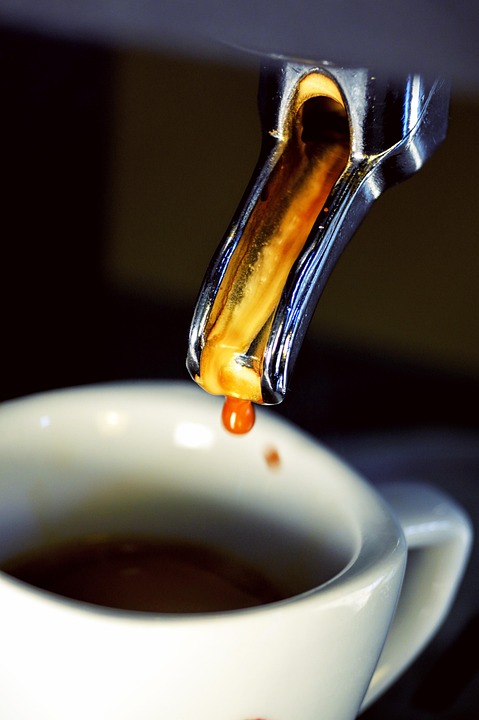
Espresso is not just a coffee; it’s an art form, a science, and a daily ritual for millions of people around the world. Born in Italy, this concentrated coffee drink is renowned for its rich flavor, vibrant aroma, and silky crema. Mastering espresso requires an understanding of the fundamentals, a dedication to precision, and an appreciation for the nuances of coffee beans.
The Essence of Espresso
Espresso is characterized by its intense flavor and thick consistency. A true espresso is a 25-30 ml shot made by forcing hot water through finely-ground coffee under high pressure. The result is a concentrated coffee with a robust taste and a layer of crema on top, which indicates a well-extracted espresso.
Essential Equipment for Espresso Brewing
Before diving into the brewing process, it’s crucial to have the right equipment. Here’s what you’ll need:
Espresso Machine
The heart of espresso brewing, an espresso machine, uses pressure to extract coffee. Machines range from manual to fully automatic, each offering different levels of control over the brewing process. Choose one that fits your expertise level and budget.
Coffee Grinder
Freshly ground coffee is essential for great espresso. A burr grinder is recommended as it provides consistent grind size, crucial for even extraction.
Portafilter
The portafilter holds the coffee grounds during extraction. It’s important to use one that fits your machine perfectly and is easy to handle.
Tamper
A tamper is used to compress the coffee grounds in the portafilter, creating a uniform surface for even extraction. The tamper should fit snugly into the portafilter basket.
Scale
Precision is key in espresso making. A digital scale helps measure the coffee dose and yield accurately.
Selecting the Right Coffee Beans
The quality of your espresso largely depends on the coffee beans you use. Here are a few tips for selecting the right beans:
Roast Level
Espresso is typically made with medium to dark roast coffee, which brings out the rich, bold flavors desired in the drink. However, lighter roasts can also be used for a more nuanced flavor profile.
Freshness
Coffee is best used within a few weeks of roasting. Look for a roast date on the bag and buy in small quantities to ensure freshness.
Origin and Blend
Different regions and blends offer distinct flavors. Experiment with single-origin coffees for unique taste profiles or blends for a balanced cup.
The Brewing Process: Step by Step
Brewing the perfect espresso requires attention to detail and practice. Follow these steps for a consistent and delicious shot:
1. Preheat Your Equipment
Ensure your espresso machine and portafilter are preheated. This helps maintain temperature stability during extraction, crucial for flavor and crema.
2. Measure and Grind Coffee
Use your digital scale to measure the coffee dose; 18-20 grams is a common range for a double shot. Grind the coffee to a fine consistency, resembling table salt.
3. Distribute and Tamp
Evenly distribute the coffee grounds in the portafilter, then use the tamper to apply firm, even pressure. A level tamp ensures uniform extraction.
4. Lock and Load
Lock the portafilter into the machine’s group head. Make sure it’s secure to prevent water leakage during extraction.
5. Start the Extraction
Begin the extraction process, aiming for a 25-30 second brew time for a double shot. Monitor the flow rate; it should resemble warm honey.
6. Analyze the Shot
A perfect espresso shot should have a rich, caramel-colored crema and a balanced taste. Adjust variables like grind size, dose, or extraction time if needed.
Troubleshooting Common Espresso Issues
Every barista encounters challenges along the way. Here are some common issues and how to fix them:
Sour Taste
A sour taste indicates under-extraction. Try grinding the coffee finer, increasing the dose, or extending the extraction time.
Bitter Taste
Over-extraction results in bitterness. Coarsen the grind, decrease the dose, or shorten the brew time to balance the flavors.
Weak Crema
Weak or nonexistent crema may result from using stale beans or insufficient pressure. Ensure your beans are fresh and check the machine’s pressure settings.
Beyond the Basics: Advanced Techniques
Once you’ve mastered the basics, explore advanced techniques to elevate your espresso experience:
Pre-infusion
Some machines allow for pre-infusion, where water gently saturates the coffee grounds before full pressure is applied. This can enhance flavor and crema.
Temperature Profiling
Experiment with different water temperatures to highlight various flavor notes in your coffee. Some machines offer precise temperature control for this purpose.
Pressure Profiling
Advanced machines allow you to adjust pressure throughout the extraction process, providing more control over flavor extraction.
Espresso Drinks to Explore
Once you’ve mastered the shot, try your hand at crafting popular espresso-based drinks:
Americano
Add hot water to a shot of espresso for a smooth, diluted coffee experience.
Cappuccino
Combine equal parts espresso, steamed milk, and milk foam for a creamy, balanced drink.
Latte
Mix one part espresso with three parts steamed milk and a small amount of foam for a milder, milk-dominated coffee.
Macchiato
Top a shot of espresso with a dollop of milk foam for a bold, rich drink.
Conclusion: The Art of Espresso Mastery
Mastering espresso is a journey of discovery, experimentation, and refinement. It requires patience, precision, and a deep appreciation for the complexities of coffee. With the right equipment, quality beans, and a dedication to honing your skills, you can brew the perfect espresso shot every time. As you explore and expand your repertoire, you’ll not only enhance your coffee experience but also develop a profound connection with the rich history and culture of espresso.
#ChatGPT assisted in the creation of this article.



Post Comment