Optimal Coffee Water Temperature for Perfect Brew
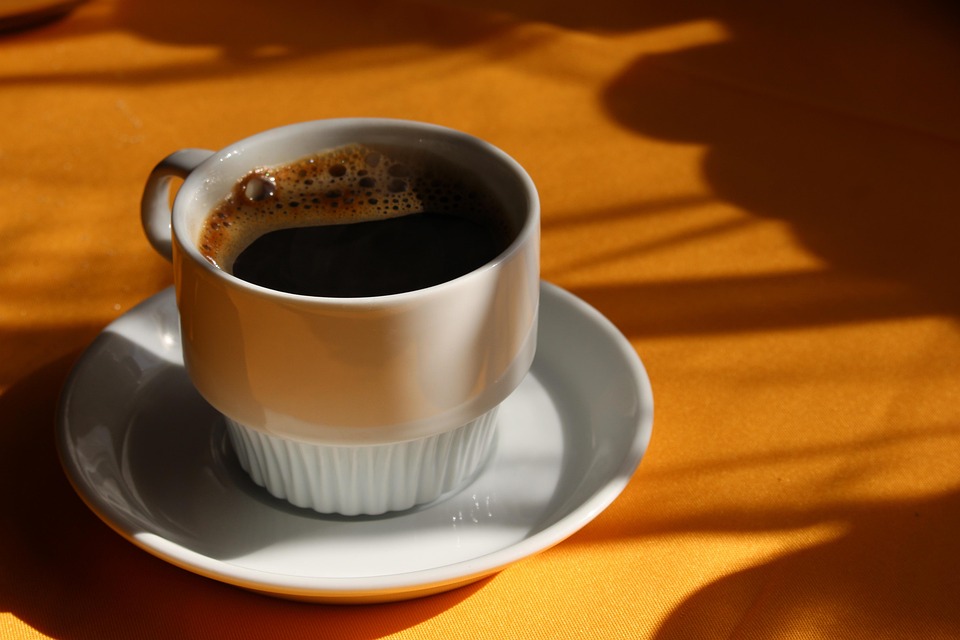
Coffee brewing is an art and a science. Among the various factors that influence the flavor and quality of a cup of coffee, water temperature is often overlooked but is critically important. The right water temperature can enhance the extraction of flavors from the coffee grounds, resulting in a perfect brew. In this article, we delve into the significance of water temperature in coffee brewing, exploring optimal ranges for different brewing methods and understanding how temperature affects flavor.
The Importance of Water Temperature in Coffee Brewing
Water temperature is a crucial variable in the coffee brewing process because it affects the extraction of compounds from the coffee grounds. The right temperature ensures that the desirable flavors are extracted while minimizing the extraction of bitter compounds. Too hot, and you risk over-extraction, which can lead to a bitter taste. Too cold, and under-extraction can leave your coffee weak and sour.
The Science Behind Extraction
Coffee grounds contain a complex mix of soluble compounds, including acids, sugars, and oils. The objective of brewing is to dissolve these compounds in water to create a balanced and flavorful cup of coffee. Extraction occurs at different rates for these compounds, and water temperature is a key factor in controlling this process.
Optimal Water Temperature for Different Brewing Methods
Drip Coffee Makers
Drip coffee makers are among the most common brewing devices, and they generally operate within a range of 195°F to 205°F (90°C to 96°C). This range is considered optimal for extracting the right balance of flavors. Most modern drip coffee makers are designed to heat water to these temperatures automatically, but it’s always good to check if your machine falls within this range for the best results.
Pour-Over Coffee
Pour-over coffee is a manual brewing method that gives you more control over the brewing process, including water temperature. The ideal temperature for pour-over ranges from 195°F to 205°F (90°C to 96°C), similar to drip coffee. To achieve this, bring water to a boil and then let it sit for about 30 seconds before pouring over the coffee grounds. This ensures the water is not too hot and avoids scorching the coffee.
French Press
The French press method is known for its rich and full-bodied coffee. The recommended water temperature for a French press is slightly lower than other methods, typically around 200°F (93°C). Since the brewing time is longer, usually 4 minutes, this temperature allows for a full extraction of flavors without over-extracting and producing bitterness.
Espresso
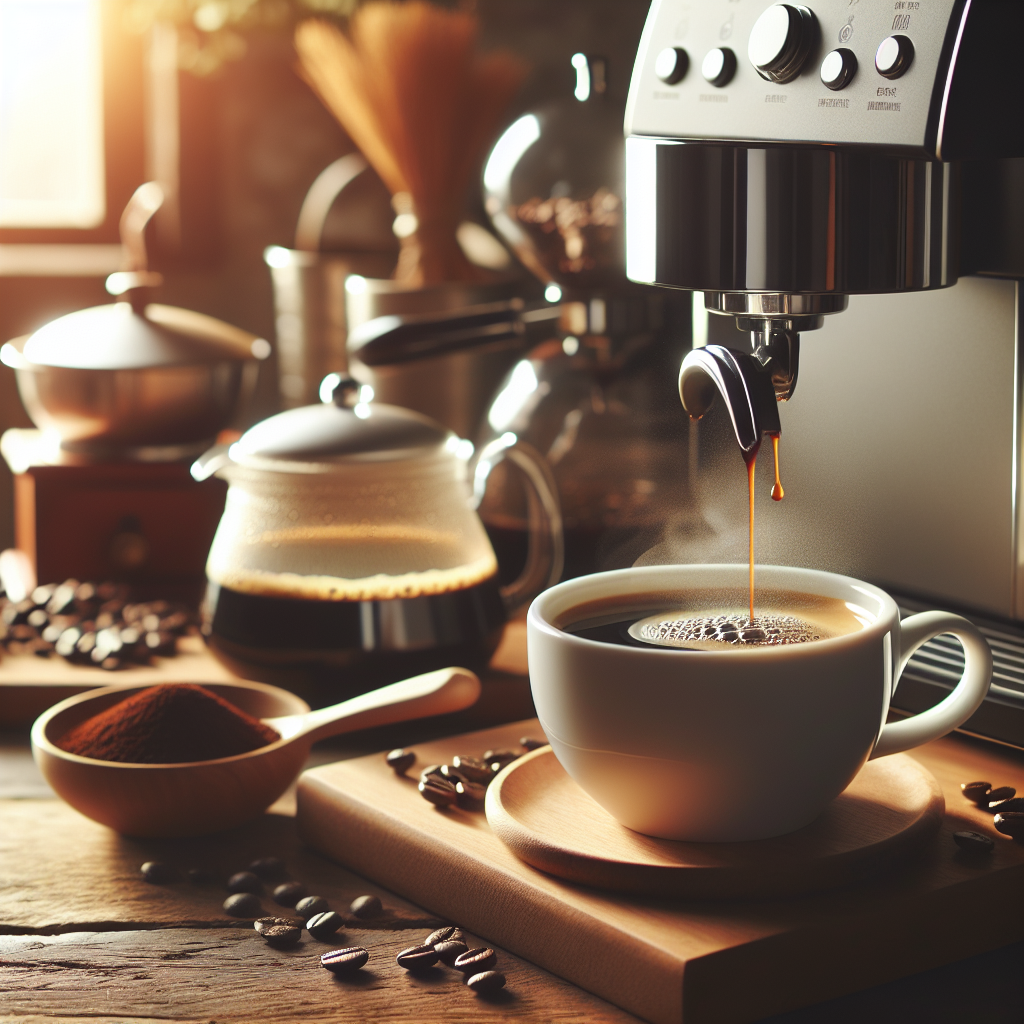
Espresso brewing is a high-pressure method that requires precise control over several variables, including water temperature. The optimal range for espresso is narrower, typically between 190°F and 195°F (88°C to 91°C). Water that is too hot will extract too quickly and may lead to a bitter taste, while water that is too cold may result in a flat shot.
Cold Brew
Cold brew is an entirely different process as it uses cold or room temperature water to steep coffee grounds over an extended period, usually 12 to 24 hours. The absence of heat means that the extraction process is slow, resulting in a smooth, less acidic coffee. While water temperature is not a direct concern in cold brew, the time and grind size are critical for achieving the perfect flavor balance.
Factors Affecting Optimal Water Temperature
Altitude
Altitude can affect the boiling point of water. At higher altitudes, water boils at lower temperatures due to decreased atmospheric pressure. If you’re brewing coffee in a high-altitude area, you may need to adjust your water temperature accordingly to ensure proper extraction.
Grind Size
The size of your coffee grind affects the rate of extraction. Finer grinds have more surface area and extract more quickly, which may require a slightly lower water temperature to avoid over-extraction. Conversely, coarser grinds extract more slowly and may benefit from a slightly higher temperature.
Practical Tips for Achieving the Optimal Water Temperature
Use a Thermometer
A digital thermometer can be a valuable tool for ensuring your water is at the right temperature. It provides precise readings, allowing you to adjust your brewing process as needed.
Consider a Temperature-Controlled Kettle
Investing in a temperature-controlled kettle can simplify the process of achieving the right water temperature. These kettles allow you to set the desired temperature, ensuring consistency in your brews.
Preheat Your Equipment
Preheating your coffee maker, French press, or pour-over vessel can help maintain the desired water temperature throughout the brewing process. This step is especially important in colder environments where heat loss can be significant.
Conclusion
Water temperature is a fundamental aspect of coffee brewing that significantly influences the taste and quality of your coffee. By understanding the optimal temperature ranges for different brewing methods and considering factors such as altitude and grind size, you can enhance your coffee experience. Whether you prefer a robust espresso or a smooth pour-over, the right water temperature is key to unlocking the full potential of your coffee beans.
#ChatGPT assisted in the creation of this article.



Post Comment