Unlocking Flavor: The Washed Coffee Process Explained
Coffee is a beloved beverage worldwide, known for its rich flavors and aromatic qualities. The journey from bean to cup involves numerous steps, each contributing to the final taste profile. One of the most crucial stages is the processing method, which can significantly influence the flavor, acidity, and body of the coffee. Among the various methods, the washed coffee process, also known as the wet process, is renowned for producing clean, bright, and complex flavors. In this article, we will delve into the intricacies of the washed coffee process, exploring how it unlocks the distinct flavors that coffee enthusiasts cherish.
Understanding Coffee Processing
Coffee processing refers to the method by which the outer layers of the coffee cherry are removed to reveal the bean inside. This process is essential because it affects the chemical composition of the coffee bean, influencing its flavor and quality. There are three primary processing methods: natural (dry), honey, and washed (wet). Each method has its unique characteristics and impact on the final cup of coffee.
The Importance of Processing
The choice of processing method can enhance or diminish certain flavor notes, alter the coffee’s acidity, and affect the overall body and mouthfeel. For example, natural processing often results in fruity and wine-like flavors, whereas washed processing tends to produce cleaner, more acidic, and floral notes. Understanding the washed coffee process offers insights into why certain coffees taste the way they do and helps consumers appreciate the skill and effort involved in producing high-quality beans.
The Washed Coffee Process Explained
The washed coffee process involves several meticulous steps that ensure the beans are cleaned and fermented to perfection. Here’s a detailed breakdown of each stage:
Harvesting
The process begins with the careful selection and harvesting of ripe coffee cherries. Farmers typically handpick these cherries to ensure only the ripest ones are chosen, which is crucial for maintaining consistent flavor profiles. The timing of the harvest is critical, as overripe or underripe cherries can negatively impact the coffee’s quality.
Pulping
Once harvested, the cherries are sent to the processing station, where they undergo pulping. This step involves removing the outer skin and pulp of the cherry, exposing the beans encased in a mucilaginous layer. Pulping is typically done using a machine that gently squeezes the cherries to separate the skin and pulp from the beans.
Fermentation
After pulping, the beans, still coated in mucilage, are placed in fermentation tanks. Fermentation is a critical step that breaks down the mucilage and further develops the flavor profile of the coffee. The beans are left to ferment naturally for 12 to 48 hours, depending on environmental factors such as temperature and humidity. During fermentation, enzymes break down the sugars and other compounds, which can enhance the coffee’s acidity and complexity.
Washing
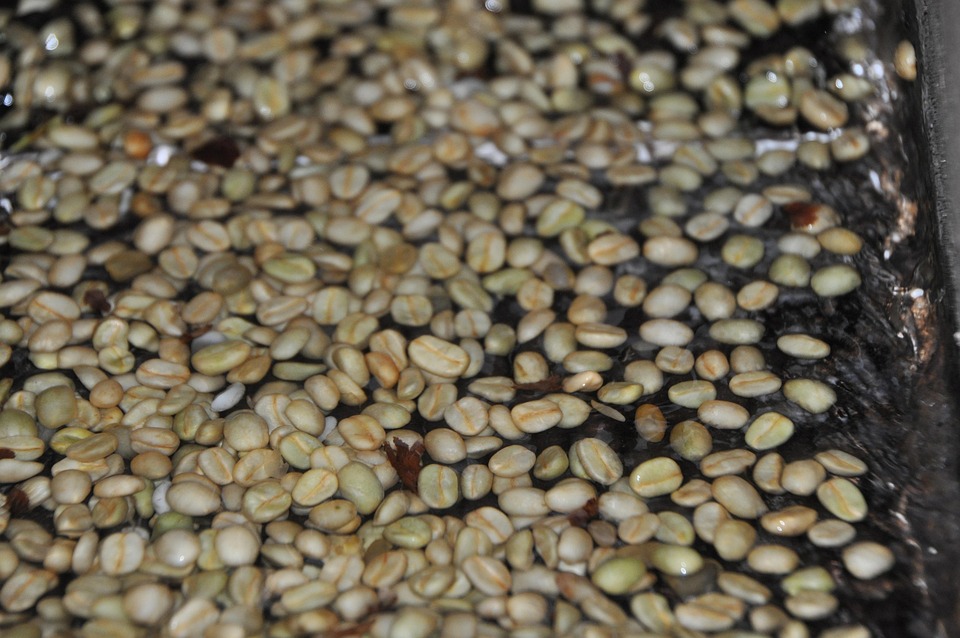
Once fermentation is complete, the beans are thoroughly washed to remove any remaining mucilage. This washing is done using clean water, usually in large tanks or channels where the beans are agitated to ensure all traces of mucilage are removed. This step is crucial for achieving the clean, crisp flavors characteristic of washed coffees.
Drying
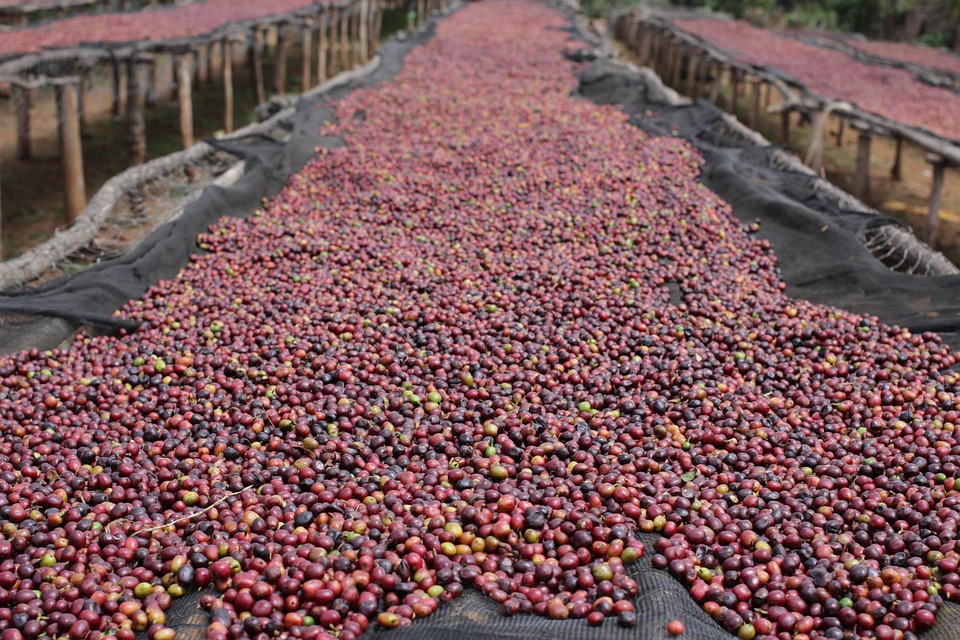
After washing, the beans need to be dried to reduce their moisture content to around 10-12%. This can be done either on raised beds, patios, or using mechanical dryers. Sun-drying on raised beds or patios is often preferred as it allows for more even drying and reduces the risk of mold development. The beans are regularly turned to ensure uniform drying, a process that can take several days to weeks, depending on the weather conditions.
Final Processing
Once dried, the beans are hulled to remove the parchment layer, leaving the green coffee beans ready for sorting and grading. The beans are then sorted by size, weight, and color to ensure uniformity and quality. Any defective beans are removed during this stage. The sorted beans are then bagged and stored under controlled conditions until they are ready to be roasted.
The Impact of the Washed Process on Flavor
The washed coffee process is celebrated for highlighting the inherent qualities of the coffee bean. Here are some of the key flavor characteristics associated with washed coffees:
Clarity and Cleanliness
Washed coffees are renowned for their clean and clear flavor profiles. The removal of mucilage and careful washing and fermentation reveal the true character of the bean, allowing the natural flavors to shine through without interference from the pulp or skin.
Brightness and Acidity
The fermentation process enhances the acidity of the coffee, resulting in a bright and lively cup. This acidity is often perceived as a positive attribute, adding complexity and vibrancy to the coffee’s flavor profile.
Complexity and Depth
Washed coffees often exhibit a wide range of nuanced flavors, from floral and fruity notes to hints of spice and chocolate. The meticulous processing allows for greater expression of these flavors, providing a rich and rewarding sensory experience.
Conclusion
The washed coffee process is a testament to the art and science of coffee production. By carefully controlling each step, from harvesting to drying, producers can unlock the full potential of the coffee bean, resulting in a cup that is clean, bright, and complex. For coffee enthusiasts and connoisseurs, understanding the washed process offers a deeper appreciation for the skill and dedication required to produce high-quality coffee. As you savor your next cup of washed coffee, take a moment to reflect on the journey it has taken, from the cherry on the tree to the flavorful brew in your cup.
#ChatGPT assisted in the creation of this article.



Post Comment