Unveiling the Secrets of Coffee Roast Flavors
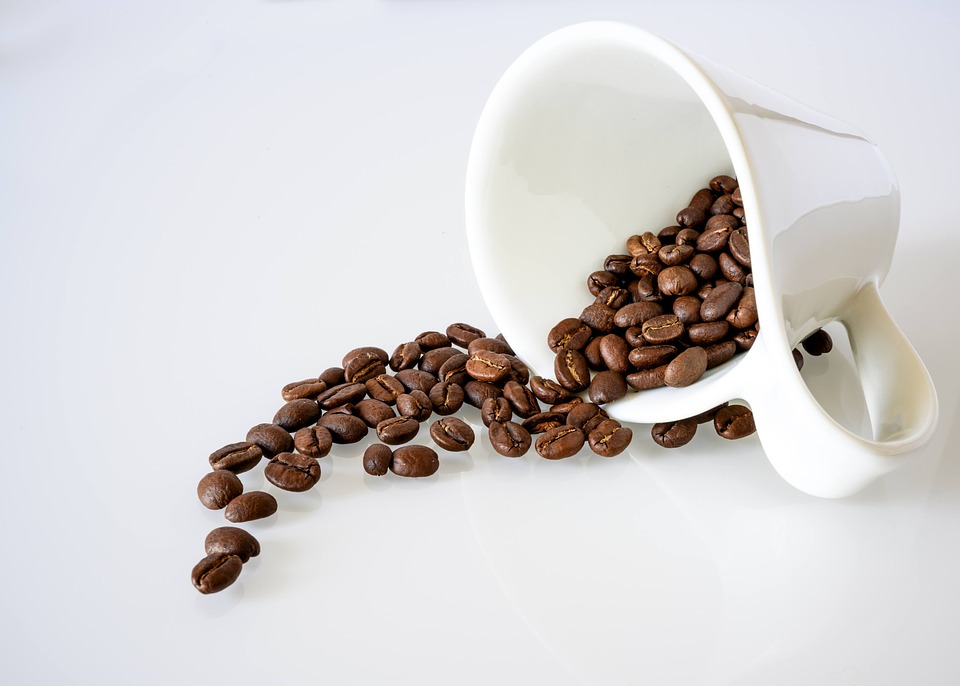
Coffee is a universal beverage cherished for its rich flavors and invigorating qualities. At the heart of its complexity lies the roasting process, which transforms green coffee beans into the aromatic, flavorful coffee we all enjoy. Understanding the nuances of coffee roast flavors is key to appreciating the diversity of coffee. This article delves into the secrets of coffee roast flavors, exploring the factors that influence them and the sensory profiles they create.
The Journey from Bean to Brew
Before we explore the specifics of coffee roast flavors, it is essential to understand the journey of coffee beans from the farm to your cup. Coffee begins as a seed inside a red or purple fruit called a cherry, which grows on coffee trees in tropical climates. Once harvested, the beans are separated from the fruit, dried, and processed into green coffee beans, ready for roasting.
The Art and Science of Coffee Roasting
Roasting is both an art and a science, involving precise control of time and temperature to develop the desired flavors. As green coffee beans are heated, they undergo a series of chemical reactions known as the Maillard Reaction and caramelization, which create the complex flavors and aromas associated with roasted coffee. The roasting process is categorized into stages: drying, browning, and development, each contributing to the final flavor profile.
Roast Levels and Flavor Profiles
Roast levels range from light to dark, each offering distinct flavor profiles. Understanding these levels helps coffee enthusiasts select the roast that aligns with their taste preferences.
Light Roasts
Light roasts are characterized by their light brown color and lack of oil on the surface, preserving the original flavors of the coffee bean. The flavors are often described as bright, fruity, and acidic, with a subtle sweetness. Common names for light roasts include Cinnamon, New England, and Half City.
Medium Roasts
Medium roasts strike a balance between the bean’s inherent qualities and the flavors developed during roasting. They are medium brown in color, with a slightly more pronounced body and a well-rounded flavor profile. Medium roasts often exhibit hints of caramel, chocolate, and nuttiness. Popular medium roasts include American, Breakfast, and City.
Dark Roasts
Dark roasts are roasted to a deep brown or black color, with a noticeable sheen of oils on the surface. The roasting process imparts bold, robust flavors, often described as smoky, bittersweet, and full-bodied. The origin flavors are overshadowed by the roast, making it a favorite among those who enjoy intense coffee flavors. French, Italian, and Espresso roasts are celebrated dark roast varieties.
Factors Influencing Roast Flavors
Several factors influence the development of roast flavors during the roasting process. Understanding these elements can provide insight into the intricate world of coffee roasting.
Bean Origin
The origin of the coffee bean plays a significant role in determining the flavors present in the final cup. Factors such as soil composition, altitude, climate, and processing methods contribute to the unique characteristics of coffee from different regions. For instance, Ethiopian coffees are known for their floral and fruity notes, while Brazilian coffees often feature nutty and chocolatey flavors.
Roast Time and Temperature
The duration and temperature of the roast are critical in shaping the flavor profile. Shorter roast times at lower temperatures preserve the bean’s acidity and fruitiness, while longer times at higher temperatures produce darker, more caramelized flavors. Roasters must carefully balance these variables to achieve the desired outcome.
Cooling Process
Once the desired roast level is achieved, the beans must be rapidly cooled to halt the roasting process. The method of cooling—whether air or water cooling—can affect the final taste, as it influences the development of flavors post-roast.
Exploring Specialty Roasts
The world of coffee roasting extends beyond the standard light, medium, and dark categories. Specialty roasts offer unique and experimental flavor experiences for the adventurous coffee drinker.
Blonde Roasts
Blonde roasts, lighter than traditional light roasts, maintain the bean’s natural acidity and delicate flavors. They are known for their tea-like qualities, with hints of citrus and floral notes. Blonde roasts are a popular choice for those seeking a milder coffee experience.
Vienna Roasts
Vienna roasts are a medium-dark roast, bridging the gap between medium and dark. They offer a balance of body and acidity, with a sweet, slightly toasty flavor. Vienna roasts are ideal for those who enjoy a rich, full-bodied coffee without the intensity of a dark roast.
Cold Brew Roasts
Cold brew roasts are specifically crafted for brewing coffee at lower temperatures. These roasts emphasize smoothness and sweetness, minimizing acidity and bitterness. The result is a refreshing, mellow coffee experience, perfect for iced coffee enthusiasts.
Pairing Coffee Roasts with Food
Just as wine is paired with food to enhance flavors, coffee can also be paired with various foods to create a harmonious culinary experience. Understanding the flavor profiles of different roasts can help you make complementary pairings.
Light Roasts
Light roasts pair well with breakfast foods like pastries, fruit, and yogurt. The bright acidity and fruity notes of light roasts complement the sweetness of pastries and the tanginess of fruit.
Medium Roasts
Medium roasts are versatile and pair well with a wide range of foods. They complement the flavors of chocolate, nuts, and cinnamon, making them an excellent choice for desserts and snacks.
Dark Roasts
Dark roasts are best paired with rich, savory dishes. Their bold flavors stand up well to hearty meats, grilled vegetables, and dark chocolate. The bittersweet notes of dark roasts enhance the umami flavors in savory foods.
Conclusion: The Endless Exploration of Coffee Roasts
The world of coffee roast flavors is vast and exciting, offering endless possibilities for exploration and enjoyment. Whether you prefer the bright acidity of a light roast, the balance of a medium roast, or the intensity of a dark roast, there is a coffee roast to suit every palate. By understanding the factors that influence roast flavors and experimenting with different roasts and pairings, coffee enthusiasts can unlock the secrets of this beloved beverage and deepen their appreciation for its complexity and diversity.
#ChatGPT assisted in the creation of this article.




Post Comment